
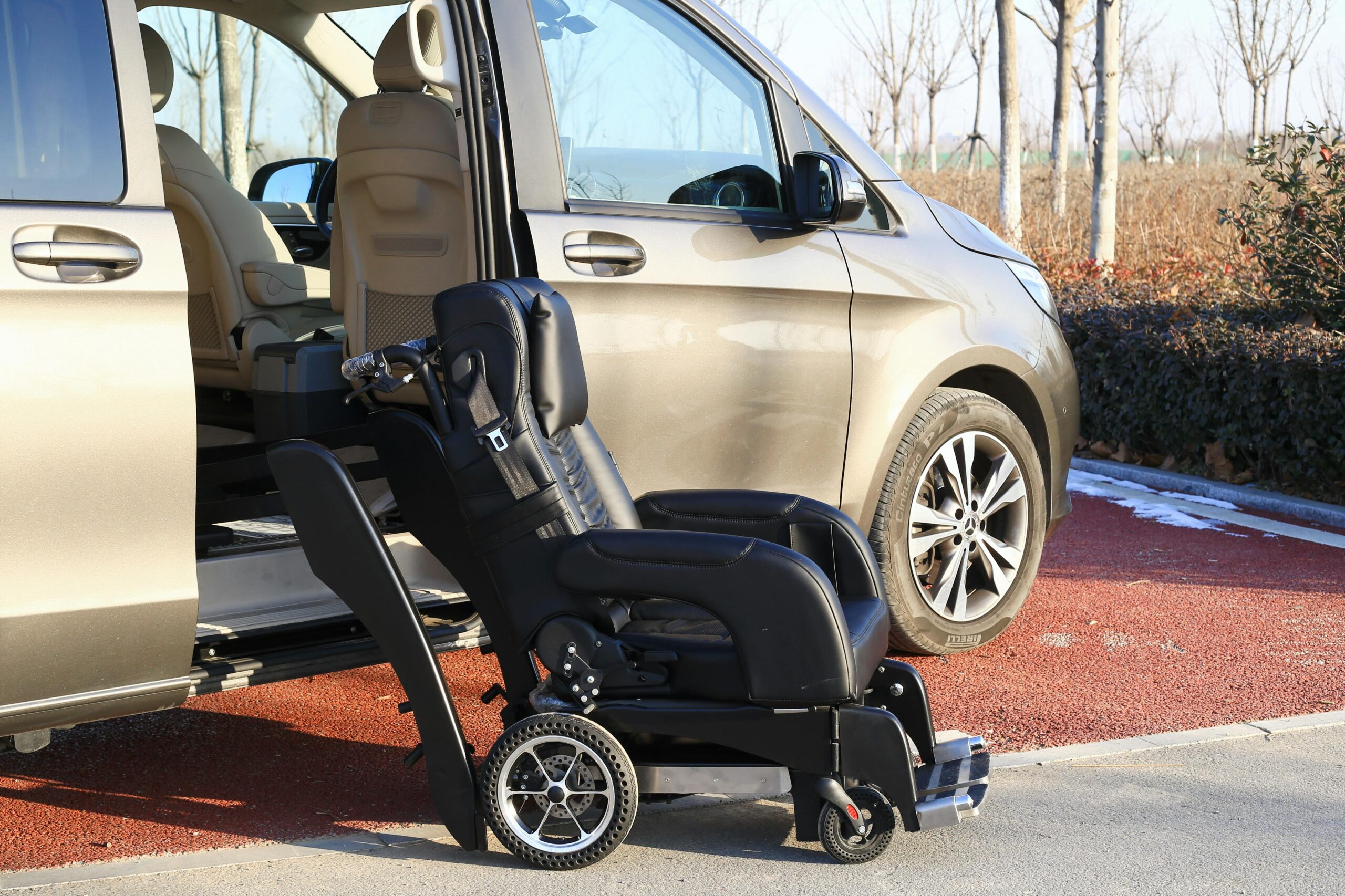
Picture this: you’ve just brought home your new mobility scooter, only to realize your doorways are too narrow, your hallways feel like obstacle courses, and finding a safe charging spot becomes a daily puzzle. Sound familiar? You’re not alone—over 73% of mobility scooter users in North America report significant home navigation challenges within their first month of ownership, according to 2024 accessibility research data.
The reality is that most homes weren’t designed with mobility devices in mind. Standard doorways measure 32 inches wide, while most mobility scooters require 36-42 inches for comfortable passage. But here’s the empowering truth: transforming your home into a mobility-friendly haven doesn’t require a complete renovation or breaking the bank. With strategic modifications and smart design choices, you can create a seamlessly accessible living space that enhances your independence and quality of life.

This Photo was taken by MingAo WelfareCar.
Breaking through barriers: essential doorway modifications for scooter access
The doorway dilemma represents the most common barrier mobility scooter users face indoors. Standard residential doorways create bottlenecks that can trap even compact scooters, turning simple room-to-room movement into a frustrating experience.
Understanding doorway width requirements
Different mobility scooters demand varying clearance widths. Three-wheel scooters typically need 34-36 inches, while four-wheel models require 38-42 inches. Heavy-duty scooters with weather protection may need up to 44 inches of clearance.
| Scooter Type | Minimum Width Required | Recommended Width | Standard Door Compatibility |
|---|---|---|---|
| 3-Wheel Compact | 34 inches | 36 inches | Requires modification |
| 4-Wheel Standard | 38 inches | 40 inches | Requires modification |
| Heavy Duty | 42 inches | 44 inches | Major modification needed |
Professional widening solutions
Doorway widening involves removing existing door frames and potentially relocating electrical switches or outlets. Professional contractors typically charge $800-$2,500 per doorway, depending on wall structure and electrical complications. Load-bearing walls require structural engineer consultation, adding $500-$1,200 to project costs.
The process involves removing trim, cutting drywall, installing new framing, and finishing with matching textures and paint. Most projects take 2-3 days per doorway when handled by experienced accessibility contractors.

Ultra Lightweight Carbon Fiber Folding Scooter
Perfect for narrow doorways at just 27.5 lbs with airline approval. Features all-terrain capability and included charging accessories.
Rating: ⭐⭐⭐⭐⭐ 4.6/5 | Price: $1,699.00
Cons: Higher price point, limited weight capacity compared to heavy-duty models
Budget-friendly alternative approaches
For renters or budget-conscious homeowners, removable door frame extensions offer temporary solutions. These adjustable systems cost $200-$600 and install without permanent modifications. Offset hinges provide an additional 2-3 inches of clearance by repositioning doors to swing completely clear of openings.
Pocket doors represent another elegant solution, sliding into wall cavities instead of swinging inward or outward. While installation costs $1,200-$3,000 per door, they eliminate swing radius concerns entirely.

This Photo was taken by MingAo WelfareCar.
Elevating accessibility: comprehensive ramp installation strategies
Ramps transform vertical barriers into navigable inclines, providing essential connectivity between different floor levels. Whether addressing single steps or multiple elevation changes, proper ramp selection and installation ensures safe, independent movement throughout your home.
Understanding ramp specifications and regulations
The Americans with Disabilities Act (ADA) guidelines specify a maximum 1:12 slope ratio, meaning one inch of rise requires 12 inches of ramp length. For a typical 6-inch step, you’ll need 72 inches (6 feet) of ramp length.
Platform landings must measure at least 60 inches long when ramps change direction. Handrails become mandatory for ramps exceeding 6 inches in height or 72 inches in length. These specifications ensure user safety while maintaining ADA compliance standards.
Modular ramp systems for flexibility
Modular aluminum ramps offer exceptional versatility and professional appearance. Companies like EZ-ACCESS and Prairie View Industries manufacture systems ranging from $1,200-$8,000, depending on length and features. These ramps assemble without tools, adjust to various configurations, and relocate easily when housing situations change.

MS08 4-Wheel Mobility Scooter with Rotating Seat
Compact design ideal for indoor ramp navigation with 15-mile range and 300lb capacity. FSA/HSA eligible for potential savings.
Rating: ⭐⭐⭐⭐⭐ 4.8/5 | Price: $399.99
Cons: Lower weight capacity, may struggle with steep ramps when fully loaded
Installation requires level foundation preparation and secure anchoring to prevent movement under load. Professional installation adds $500-$1,500 but ensures proper weight distribution and weather resistance.
Permanent concrete and wood solutions
Concrete ramps provide permanent, weather-resistant solutions for high-traffic areas. Construction costs range from $2,000-$10,000, depending on length and finishing options. Stamped concrete patterns and integral coloring create attractive appearances that complement existing landscaping.
Pressure-treated lumber offers a cost-effective alternative for covered or semi-protected areas. DIY-friendly construction costs $800-$3,500 for materials, though professional installation ensures proper load-bearing capacity and building code compliance.

This Photo was taken by Garaventa Lift.
Smart storage solutions that maximize independence
Effective storage systems keep essential items within reach while maintaining clear navigation pathways. Strategic placement and accessibility features ensure you can independently access daily necessities without assistance or unsafe reaching.
Height-adjustable storage systems
Wall-mounted cabinets with pull-down mechanisms bring high storage within comfortable reach zones. Companies like Rev-A-Shelf manufacture systems that lower shelves 12-18 inches with gentle pressure, accommodating items weighing up to 35 pounds.
Electronic height-adjustable units offer push-button convenience but require electrical connections and cost $800-$2,500 per unit. Manual versions range from $200-$600 and install with basic carpentry skills.
Rolling storage carts and mobile solutions
Multi-level rolling carts transform any room into flexible storage space. Medical-grade units feature locking wheels and antimicrobial surfaces, ideal for medication or personal care items. Costs range from $150-$800 depending on size and features.
Under-counter pull-out drawers maximize existing cabinet space while improving accessibility. Full-extension slides ensure complete drawer access, while soft-close mechanisms prevent slamming and reduce wear.

Heavy Duty Mobility Scooter with Roof & Windshield
Weather-protected design with 500lb capacity and 800W motor. Built-in storage compartments and remote key access for security.
Rating: ⭐⭐⭐⭐⭐ 5.0/5 | Price: $2,896.00
Cons: Large size requires significant doorway modifications, high initial investment
Reach zone optimization strategies
The ideal reach zone for mobility scooter users extends from 15-48 inches above floor level, with the optimal range between 20-44 inches. This ergonomic research from the National Institute of Health guides proper storage placement for maximum independence.
Frequently used items belong in the 24-36 inch zone, while seasonal or backup items can occupy higher or lower positions. Label systems with large, high-contrast text improve identification speed and reduce searching time.
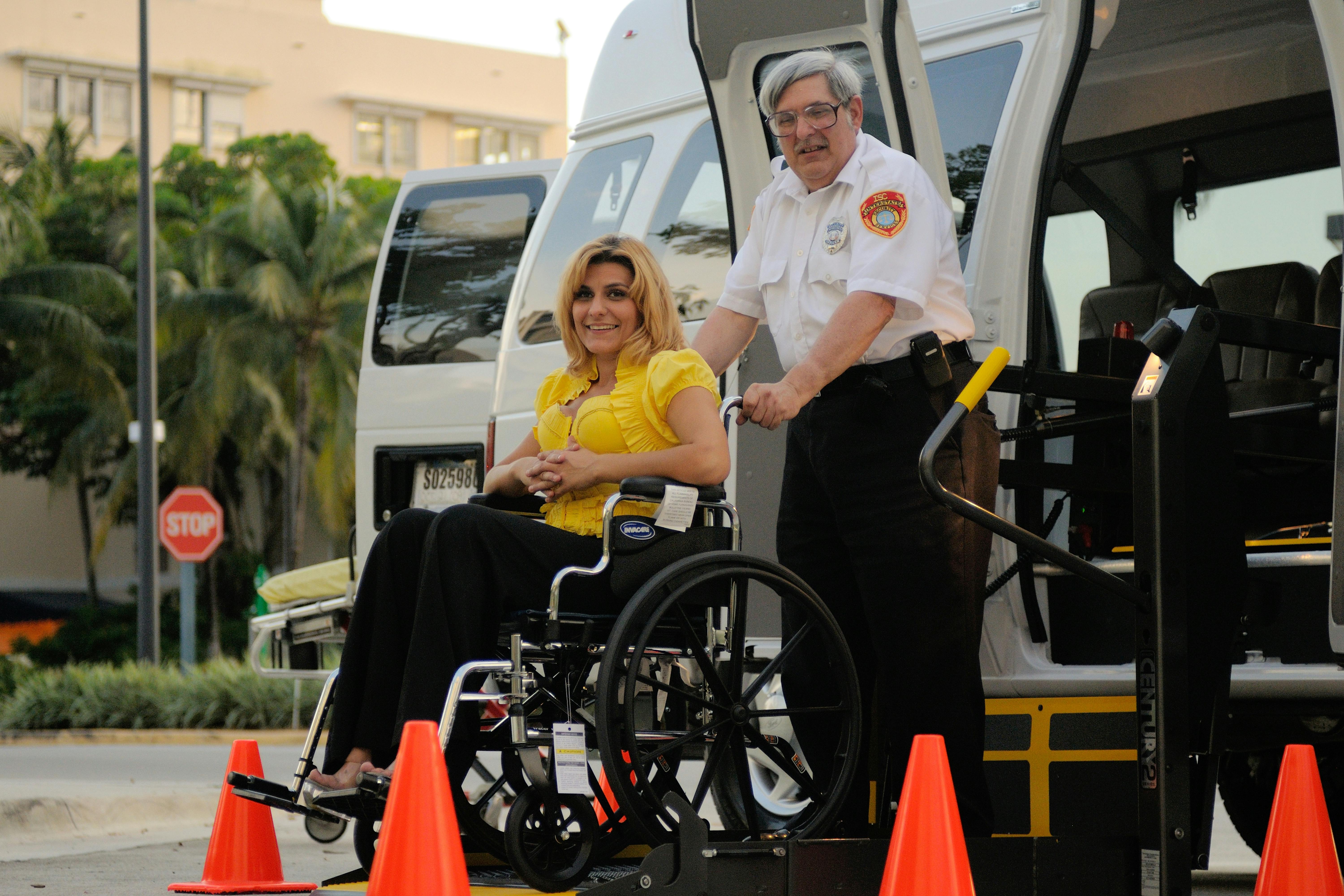
This Photo was taken by DΛVΞ GΛRCIΛ.
Power up your independence: charging station essentials
Strategic charging station placement ensures your mobility scooter remains ready for use while integrating seamlessly into your home’s electrical system. Proper setup prevents battery degradation and extends scooter lifespan significantly.
Electrical requirements and safety considerations
Most mobility scooter chargers require standard 110V outlets but draw 3-8 amps during charging cycles. Dedicated 20-amp circuits prevent breaker trips when other appliances operate simultaneously. Ground Fault Circuit Interrupter (GFCI) protection provides essential safety in potentially wet areas.
Battery charging generates heat and minor off-gassing, making ventilation crucial for indoor stations. Ceiling fans or passive vents prevent moisture buildup that can damage electronic components and create safety hazards.
Multi-device charging solutions
Modern households often require charging capability for multiple devices. Department of Energy guidelines recommend dedicated charging areas that minimize energy waste through smart power management.
USB charging stations integrate phone, tablet, and accessory charging with scooter power systems. Timer-controlled outlets prevent overcharging while reducing electricity costs and battery wear. Smart plugs enable remote monitoring and control through smartphone apps.

S1 Powered Mobility Scooter with 25-Mile Range
All-terrain folding design with height-adjustable seat and extended battery life. Perfect for indoor/outdoor versatility.
Rating: ⭐⭐⭐⭐⭐ 4.5/5 | Price: $729.99
Cons: Folding mechanism may require regular maintenance, moderate weight capacity
Weather-protected outdoor charging options
Covered outdoor charging stations accommodate larger scooters while protecting batteries from temperature extremes. Weatherproof electrical enclosures cost $200-$800 and require professional installation to meet local electrical codes.
Heated charging enclosures maintain optimal battery temperatures during winter months, crucial for maintaining capacity and preventing permanent damage. Thermostatically controlled systems activate heating elements when temperatures drop below 40°F.
This Photo was taken by Jakub Pabis.
Designing accessible living spaces that work
Creating truly accessible living environments requires understanding traffic flow patterns, furniture placement strategies, and lighting considerations that support safe mobility scooter operation throughout your home.
Traffic flow optimization principles
Successful accessible design maintains 42-inch minimum clearance in all traffic areas, with 60-inch turning spaces at corridor ends and room entrances. This allows complete 360-degree rotation for most mobility scooters without backing up or multiple-point turns.
Furniture placement follows the “travel lane” concept, creating clear pathways between frequently visited areas. Living rooms benefit from perimeter furniture arrangement, keeping central areas open for navigation while maintaining conversational groupings.
Lighting strategies for safe navigation
Proper lighting prevents navigation errors and reduces fall risk when transferring between scooters and furniture. National Eye Institute recommendations suggest 50-100 foot-candles for detailed tasks, with transition lighting preventing dangerous dark-to-bright adjustments.
Motion-activated LED strips provide pathway illumination without manual switches. Battery-powered options install without electrical work, while hardwired systems integrate with home automation for smart control.

Folding Mobility Scooter for Seniors – Purple
Compact 4-wheel design with medical-grade construction. Perfect for tight indoor spaces with easy folding mechanism.
Rating: ⭐⭐⭐⭐⭐ 4.5/5 | Price: $489.00
Cons: Limited outdoor capability, smaller battery compared to full-size models
Flooring considerations for smooth operation
Hard surface flooring provides optimal mobility scooter performance, with luxury vinyl plank (LVP) offering durability and comfort underfoot. Carpet creates resistance and steering challenges, though low-pile options under 1/4 inch remain manageable for most scooters.
Transition strips between flooring materials require careful selection to prevent catching or jarring impacts. Gradual slope transitions under 1/4 inch height difference ensure smooth passage without lifting wheels.
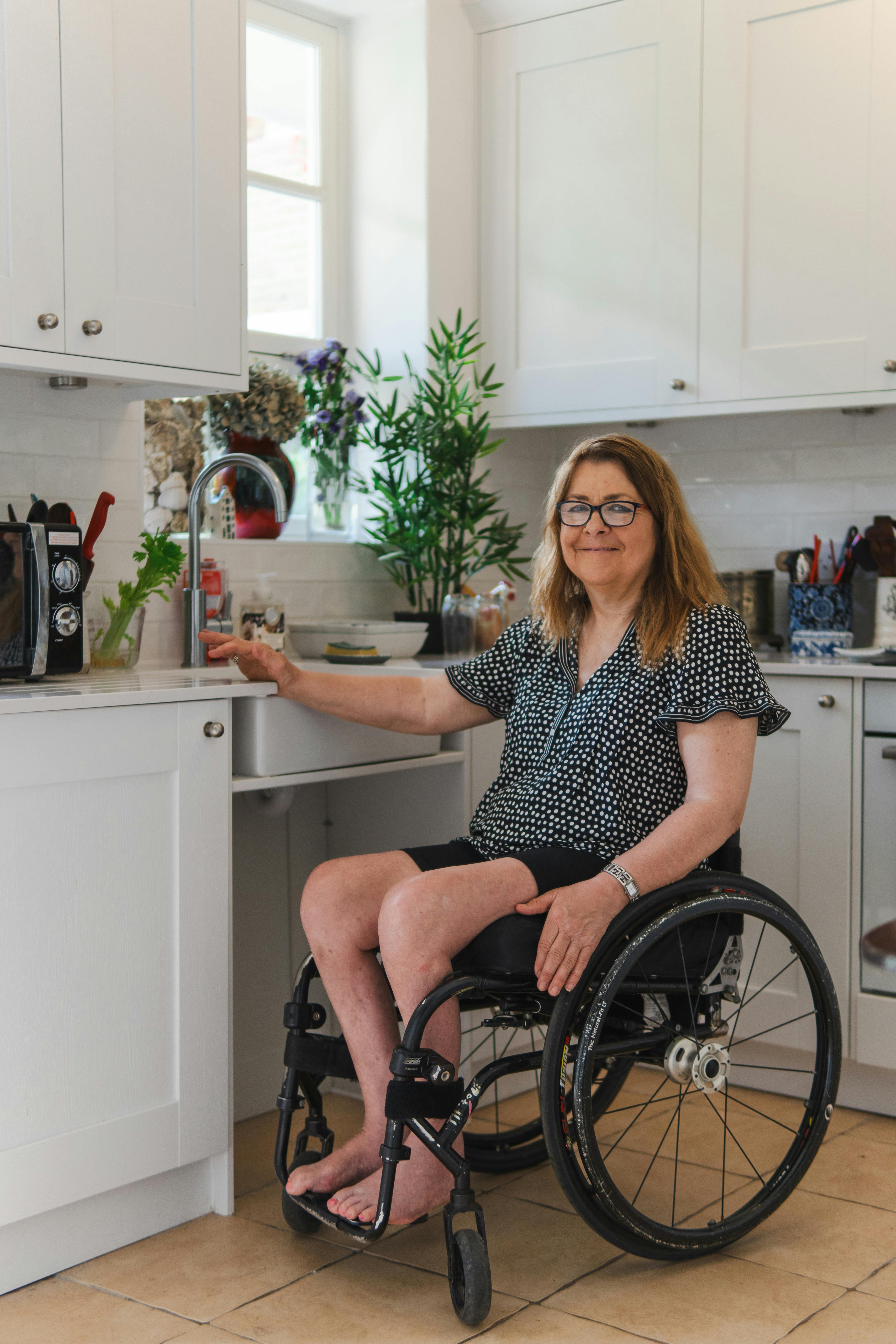
This Photo was taken by Centre for Ageing Better.
Financial planning and resource optimization
Understanding funding options and cost-effective implementation strategies helps maximize your home modification budget while achieving comprehensive accessibility improvements.
Insurance and assistance program opportunities
Many modifications qualify for insurance coverage or assistance programs. Veterans Administration (VA) benefits cover home adaptations for service-connected disabilities, while some private insurers reimburse medically necessary accessibility improvements.
For comprehensive guidance on mobility scooter insurance coverage and financial planning, including Medicare Part B benefits and tax deduction opportunities, you can explore detailed strategies that maximize your benefits while minimizing out-of-pocket costs.
Tax benefits and deductions
Home modifications prescribed by healthcare providers often qualify as medical expenses for tax deduction purposes. IRS Publication 502 outlines qualifying expenses, which can include ramps, doorway modifications, and electrical work for charging stations.
Keep detailed records of all modification costs, medical prescriptions, and professional consultations. These documents support tax deductions and insurance claims while demonstrating medical necessity for auditing purposes.

Battery Powered 4-Wheel Mobility Scooter – Purple
Heavy-duty construction for all-terrain use with comfortable seating. Excellent indoor/outdoor versatility for active users.
Rating: ⭐⭐⭐⭐⭐ 4.5/5 | Price: $529.99
Cons: Moderate range compared to premium models, standard comfort features