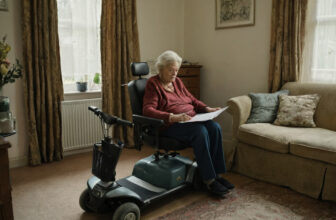
Margaret always thought her mobility scooter would become a barrier when she moved into Sunrise Assisted Living. Instead, she discovered it opened doors to gardening clubs, shopping trips, and friendships she never expected. Yet many seniors face confusion about bringing their mobility aids into senior living communities, unsure about compatibility requirements, Medicare coverage, or how these devices will actually enhance their new lifestyle. This comprehensive guide cuts through the complexity to reveal how mobility scooters seamlessly integrate into assisted living facilities, independent living communities, and active senior environments across the USA and Canada in 2025.

This Photo was taken by karl sune.
Breaking the barriers: senior living mobility myths exposed
The biggest misconception about senior living communities is that mobility scooters create restrictions rather than freedom. In reality, modern assisted living and independent living facilities in 2025 are specifically designed to accommodate and celebrate mobility enhancement devices. According to the National Center for Assisted Living, 89% of facilities actively encourage mobility scooter use among residents who need them.
Senior living communities have evolved far beyond the sterile institutional environments of decades past. Today’s facilities feature wide hallways, accessible doorways, and dedicated scooter parking and charging stations. The Americans with Disabilities Act compliance standards ensure that pathways accommodate mobility devices, while many communities go above and beyond minimum requirements.
Another persistent myth suggests that mobility scooters isolate users from social activities. Data from the Assisted Living Federation of America shows that residents with mobility scooters participate in 34% more community activities than those without mobility aids. The scooters become conversation starters and enable participation in activities that would otherwise be physically challenging.
Facility infrastructure standards
Modern senior living facilities incorporate mobility scooter considerations into their architectural planning. Hallways typically measure 60 inches wide, exceeding the 36-inch ADA minimum to allow comfortable scooter navigation. Elevators accommodate scooters with dimensions up to 36 inches wide and 60 inches long, while doorways feature 32-inch clear openings.
Common areas include designated scooter parking zones with electrical outlets for charging. Many facilities provide secure storage rooms for residents who prefer not to keep scooters in their apartments. Outdoor pathways connect to community gardens, walking trails, and transportation pickup areas, all designed with mobility scooter accessibility in mind.
| Infrastructure Element | Standard Measurement | Scooter Compatibility |
|---|---|---|
| Hallway Width | 60 inches | Accommodates all standard scooters |
| Doorway Clearance | 32 inches | Compatible with 99% of mobility scooters |
| Elevator Capacity | 36″ x 60″ | Standard and compact scooters |
| Ramp Grade | 1:12 ratio maximum | Safe for all scooter types |

This Photo was taken by Márton Novák.
Decoding Medicare coverage for senior living mobility needs
Medicare coverage for mobility scooters in senior living settings operates under specific guidelines that many residents don’t fully understand. Medicare Part B covers mobility scooters when prescribed by a doctor for use within the home, and senior living facilities qualify as the resident’s primary home address.
The coverage requires meeting Medicare’s mobility scooter criteria: difficulty walking, ability to operate the scooter safely, and medical necessity for daily living activities within the residence. In 2025, Medicare covers 80% of the approved amount after the Part B deductible, leaving residents responsible for 20% of the cost.
Medicare Advantage plans often provide enhanced coverage for mobility equipment, including maintenance and replacement batteries. Some plans offer $0 copayments for qualifying mobility scooters, making them significantly more affordable for seniors in living communities.
Documentation requirements for coverage
Obtaining Medicare coverage requires specific medical documentation. The prescribing physician must complete a Certificate of Medical Necessity detailing the mobility limitations and how a scooter addresses daily living challenges within the senior living environment.
The documentation process typically takes 2-4 weeks, and Medicare-approved suppliers must be used to ensure coverage. Many senior living communities maintain relationships with approved suppliers to streamline the process for residents.
Ultra Lightweight Folding Mobility Scooter
Price: $1,899.00 | Rating: 4.8/5
Perfect for senior living environments with its compact 37.5 lb weight and airport-approved design. Features 275 lbs capacity and easy folding mechanism. Cons: Higher price point, limited off-road capability.
Alternative funding sources
Beyond Medicare, senior living residents can explore several funding alternatives for mobility scooters. Veterans Affairs benefits cover mobility equipment for qualifying veterans, often with more generous coverage terms than Medicare. State Medicaid programs may provide additional support, particularly for low-income seniors in assisted living facilities.
Many senior living communities offer equipment rental programs, allowing residents to try different scooter models before purchasing. Some facilities maintain lending libraries of mobility equipment for temporary use during recovery from injuries or medical procedures.
Choosing the perfect scooter for community living
Selecting a mobility scooter for senior living requires different considerations than choosing one for general use. Indoor maneuverability becomes paramount, as residents spend significant time navigating hallways, common areas, and apartment spaces. Compact designs with tight turning radiuses work best in these environments.
Battery life considerations focus on daily activity patterns rather than long-distance travel. Most senior living residents need scooters that can handle 2-4 hours of intermittent use for meals, activities, and social visits. Charging convenience matters more than extended range, making models with removable batteries particularly valuable.

This Photo was taken by Charlie Griffiths.
Essential features for facility use
Senior living mobility scooters benefit from specific features that enhance community living. LED lighting systems improve visibility in indoor corridors and evening outdoor activities. Front and rear baskets provide storage for personal items, medications, and purchases from facility shops.
Adjustable seating accommodates changing comfort needs and allows multiple family members to test the scooter during visits. Horn or bell systems help navigate crowded common areas safely, while anti-tip wheels provide additional stability on ramps and uneven surfaces.
Ecomobi MS02 Extended Range Scooter
Price: $649.99 | Rating: 4.7/5
Excellent community scooter with 15-45 mile range, dual baskets, and rotating seat perfect for senior living activities. Features 350W motor and extended battery options. Cons: Larger size may limit indoor maneuverability, heavier weight.
Size and maneuverability considerations
Three-wheel scooters offer superior maneuverability in tight spaces, making them ideal for navigating apartment doorways and crowded dining areas. However, four-wheel models provide better stability for residents with balance concerns or those who plan to use outdoor pathways frequently.
Turning radius becomes critical in senior living environments. Models with turning radiuses under 50 inches work well in most facility layouts, while ultra-compact scooters with 40-inch turning radiuses excel in smaller apartment spaces and crowded common areas.
Mastering community activity participation
Mobility scooters transform how seniors engage with community activities, but successful integration requires understanding facility policies and developing practical strategies. Most senior living communities welcome scooter users in all activities, with staff trained to accommodate mobility devices in group settings.
Activity directors often modify programs to ensure scooter accessibility. Craft tables adjust to accommodate seated participants, while exercise classes include scooter-friendly movements. Group outings feature accessible transportation, and many facilities own wheelchair-accessible vans for shopping trips and cultural excursions.

This Photo was taken by Malcolm Hill.
Social engagement strategies
Mobility scooters often become social catalysts rather than barriers in senior living communities. Residents frequently gather in common areas to discuss scooter features, share maintenance tips, and plan group outings. Some communities organize “scooter clubs” that explore local attractions together.
Proper mobility scooter social confidence and community engagement helps residents maximize their participation in facility activities. Learning scooter etiquette, such as parking appropriately during meals and yielding hallway space, creates positive interactions with other residents.
Dining room navigation
Most senior living dining rooms accommodate mobility scooters with removable chairs at tables and designated scooter parking areas. Staff receive training on assisting scooter users with meal service, and many facilities provide accessible serving stations at appropriate heights.
Residents learn to arrive early for popular meals to secure preferred seating, and many facilities reserve specific tables for mobility device users. Some communities feature adjustable-height tables that accommodate both scooter users and traditional seated diners.
Compact Travel Scooter with LED Lights
Price: $499.99 | Rating: 4.8/5
Budget-friendly option perfect for daily community activities with LED lights, basket, and portable design. Ideal for dining room and activity area navigation. Cons: Basic features, limited battery range.
Outdoor exploration and community connections
Senior living communities increasingly recognize the importance of outdoor access for mobility scooter users. Landscaped pathways connect activity areas, gardens, and gathering spaces, with many facilities featuring dedicated scooter-friendly walking trails. These outdoor spaces become venues for social interaction and physical activity.
Weather-protected outdoor areas allow scooter use during various conditions, while covered pavilions provide rest stops and charging stations. Some communities feature outdoor activity programs specifically designed for mobility scooter participation, including garden clubs and nature appreciation groups.

This Photo was taken by Wheeleo Walker.
Transportation integration
Many senior living communities provide accessible transportation for residents with mobility scooters. Wheelchair-accessible buses accommodate folding scooters for shopping trips, medical appointments, and cultural outings. Some facilities offer scooter transport services for residents who prefer not to fold their devices.
Understanding mobility scooter air travel procedures becomes valuable for residents who want to visit family or take vacations. Many senior living communities provide resources and assistance for travel planning with mobility devices.
Community shopping and errands
Senior living facilities often arrange group shopping trips that accommodate mobility scooter users. Accessible transportation and scooter-friendly retail locations make these outings popular community activities. Some facilities feature on-site shops and services designed with mobility device access in mind.
Residents learn to coordinate shopping activities with neighbors, creating informal support networks and friendships centered around mobility scooter use. These relationships often extend beyond shopping to include social activities and mutual assistance.
Maintenance and support in senior living environments
Senior living communities typically provide support for mobility scooter maintenance, though specific services vary by facility. Many communities maintain relationships with local mobility equipment dealers who provide on-site service and repairs. Some facilities employ maintenance staff trained in basic scooter troubleshooting.
Regular mobility scooter maintenance and battery care becomes easier in community settings where residents share knowledge and resources. Maintenance workshops and group service arrangements often reduce costs and improve device reliability.

This Photo was taken by Wheeleo Walker.
Emergency procedures and backup plans
Senior living communities develop emergency procedures that account for mobility scooter users. Staff receive training on evacuating residents with mobility devices, and facilities maintain emergency wheelchairs for situations where scooters cannot be used safely.
Backup mobility options become important when scooters require repair or service. Many communities maintain lending equipment, and residents often develop informal support networks where neighbors provide temporary assistance during device downtime.
Metro Folding Mobility Scooter
Price: $799.99
Practical folding design with 300 lbs capacity and integrated headlight, perfect for facility transportation and storage. Lightweight construction for easy handling. Cons: No user rating available, basic feature set.
Storage and security solutions
Secure scooter storage prevents theft and weather damage while keeping devices readily accessible. Many senior living communities provide individual storage lockers or secured parking areas with charging stations. Some facilities offer indoor storage rooms that protect expensive mobility equipment.
Insurance considerations become important for high-value mobility scooters in community settings. Many facilities require residents to maintain personal property insurance that covers mobility devices, while some communities offer group insurance options for mobility equipment.
Financial planning and funding strategies
Beyond Medicare coverage, senior living residents can explore various funding options to make mobility scooters more affordable. Health Savings Accounts (HSA) and Flexible Spending Accounts (FSA) cover mobility equipment when prescribed by physicians, providing tax-advantaged payment options.
Many senior living communities partner with financing companies to offer payment plans for mobility equipment purchases. These arrangements often feature low or zero interest rates and monthly payments that fit within fixed retirement incomes.

This Photo was taken by DIBLACL ..
Insurance and warranty considerations
Mobility scooter insurance becomes particularly important in senior living communities where devices face increased use and potential damage. Some insurance policies cover theft, accidental damage, and liability issues related to scooter use in community settings.
Extended warranties provide peace of mind for seniors on fixed incomes, covering repairs and replacements that exceed manufacturer guarantees. Many mobility equipment dealers offer service plans specifically designed for senior living residents, including priority service and loaner equipment.
Heavy Duty 4 Wheel Electric Scooter
Price: $649.99 | Rating: 4.7/5
Robust scooter with 330 lbs capacity and 20-mile range, ideal for larger residents and extended community activities. Reliable 4-wheel stability for outdoor pathways. Cons: Heavier weight, larger turning radius for tight spaces.
Technology integration and smart features
Modern mobility scooters increasingly incorporate technology features that enhance senior living community integration. GPS tracking systems provide security and help locate scooters within large facility campuses, while Bluetooth connectivity enables integration with smartphones for navigation and communication.
Some communities implement smart technology mobility scooter features that integrate with facility management systems. These systems can track device usage, schedule maintenance, and provide emergency location services for enhanced resident safety.

This Photo was taken by Tima Miroshnichenko.
Health monitoring integration
Advanced mobility scooters feature health monitoring capabilities that complement senior living community wellness programs. Heart rate monitors, activity trackers, and fall detection systems provide data that healthcare staff can use to monitor resident wellbeing and adjust care plans accordingly.
Integration with facility health systems allows medical staff to track mobility patterns and identify changes that indicate health concerns. Some scooters feature emergency alert systems that automatically notify staff when residents need assistance.
Regional considerations across USA and Canada
Climate considerations affect mobility scooter selection and use in senior living communities across North America. Northern facilities in Canada and northern USA states require scooters with enhanced cold weather performance and battery management systems that function in freezing temperatures.
Understanding regional climate adaptation requirements helps residents choose appropriate mobility equipment for their specific location. Desert communities need different features than coastal or mountain regions, affecting everything from battery performance to weatherproofing requirements.
Provincial and state program variations
Government assistance programs for mobility equipment vary significantly between provinces and states. Some Canadian provinces offer more generous coverage through provincial health plans, while