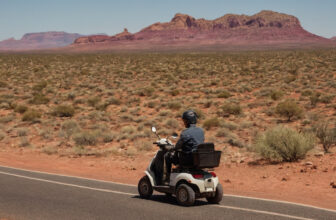

Heat takes range off a mobility scooter before it takes anything else, and it does it quietly: the gauge reads normal at the start of the ride and the trouble arrives on the way home. Summer heat does more than make a ride uncomfortable. It shortens range, slows the motor and can leave you stranded. With temperatures across North America reaching record highs each summer, understanding how heat affects your scooter’s battery life, motor performance, and your own comfort is what keeps you moving safely. This complete guide will walk you through proven strategies to keep both you and your scooter cool, comfortable, and operational during the hottest months of 2025.
The hidden enemy: how summer heat sabotages your mobility scooter
Heat affects mobility scooters in ways that most users never consider until they’re facing a breakdown. The relationship between temperature and scooter performance is more complex than simply “hot weather equals problems.” When ambient temperatures exceed 85°F (29°C), multiple systems in your scooter begin experiencing stress that compounds over time.
Battery chemistry changes dramatically in heat. Lead-acid batteries, still common in many mobility scooters, lose about 5% of their capacity for every 10°F increase above 77°F (25°C). This means that on a 95°F day, your battery is already operating at roughly 91% capacity before you even start your journey. Lithium batteries fare slightly better but still experience reduced efficiency and accelerated aging when exposed to sustained high temperatures.
| Temperature | Lead-Acid Battery Performance | Lithium Battery Performance | Motor Efficiency |
|---|---|---|---|
| 77°F (25°C) | 100% | 100% | 100% |
| 85°F (29°C) | 96% | 98% | 98% |
| 95°F (35°C) | 91% | 95% | 93% |
| 105°F (40°C) | 86% | 91% | 88% |
Motor performance suffers as internal temperatures rise. Electric motors generate heat during operation, and when ambient temperatures are already high, the motor’s ability to dissipate heat becomes compromised. This creates a cascading effect where reduced efficiency leads to increased power draw, which generates more heat, further reducing performance.
Electronic components face similar challenges. Controllers, displays, and charging systems all have optimal operating temperature ranges. When these components overheat, they may shut down automatically to prevent permanent damage, leaving you stranded at the worst possible moment.
Understanding thermal thresholds in mobility scooters
Most mobility scooters are designed to operate safely in temperatures up to 104°F (40°C), but performance degradation begins much earlier. The critical temperature thresholds you need to know are:
- 80-85°F (27-29°C): First noticeable decrease in battery range
- 90-95°F (32-35°C): Significant performance reduction begins
- 100°F+ (38°C+): Risk of component overheating and automatic shutdowns
- 110°F+ (43°C+): Potential permanent damage to batteries and electronics
The issue becomes more complex when you consider surface temperatures. Asphalt can reach 150°F (65°C) on a 95°F day, creating a heat island effect that subjects your scooter’s undercarriage to extreme temperatures. This is particularly problematic for scooters with bottom-mounted battery compartments.
Battery management mastery for hot weather performance
Your mobility scooter’s battery is its lifeline, and proper summer battery management can mean the difference between reliable transportation and costly replacements. The key lies in understanding how heat affects different battery chemistries and implementing strategies that work with, rather than against, the laws of physics.
Pre-ride battery optimization strategies
The most effective battery management begins before you even leave your home. Start by checking your battery’s state of charge using a digital voltmeter rather than relying solely on the scooter’s built-in gauge. Heat can cause voltage readings to fluctuate, making visual indicators less reliable.
Charge your batteries during the coolest part of the day, typically between 4 AM and 8 AM. This timing serves two purposes: it ensures your batteries start the day at full capacity, and it prevents the additional heat generated during charging from compounding with daytime temperatures. Never charge batteries that are already hot from use. Allow them to cool for at least 30 minutes before connecting the charger.
Consider investing in a smart charger with temperature compensation features. These chargers automatically adjust charging voltage based on ambient temperature, preventing overcharging that can permanently damage battery cells. While the initial investment might seem significant, it can extend your battery life by up to 40% in hot climates.
Active cooling techniques for battery preservation
Professional-grade cooling solutions for mobility scooter batteries range from simple to sophisticated. Battery cooling fans, available for $30-60, can reduce battery compartment temperatures by 10-15°F during operation. These fans are particularly effective on scooters with enclosed battery compartments that trap heat.
For users in extremely hot climates, consider insulation wraps specifically designed for mobility scooter batteries. These reflective insulation materials, similar to those used in automotive applications, can reduce heat absorption by up to 30%. The battery optimization guide provides detailed installation instructions for various cooling modifications.

Three Wheel Portable Mobility Scooter for Adults
Rating: ⭐⭐⭐⭐ 4.4/5
Price: Contact for pricing
Aircraft-grade aluminum construction with excellent heat dissipation properties. Features 5 mph top speed and 13-mile range with airline-approved folding design perfect for summer travel.
Pros: Lightweight, foldable, airline approved
Cons: Limited weight capacity, three-wheel design less stable
Buy on AmazonEmergency battery protocols for extreme heat
When temperatures soar above 100°F, standard battery management practices may not be enough. Develop an emergency protocol that includes carrying a portable battery fan and knowing the warning signs of thermal shutdown. These signs include rapid voltage drops, unusual warmth in the battery compartment, and premature low-battery warnings.
If you notice these symptoms, immediately move to shade and turn off your scooter for at least 15 minutes. Remove any covers or panels that provide access to the battery compartment to improve airflow. This cooling period can often restore normal operation and prevent permanent damage.
Overheating prevention: protecting motors and electronics
While batteries get most of the attention in hot weather discussions, your mobility scooter’s motor and electronic components are equally vulnerable to heat-related failures. Motors generate significant heat during operation, and when ambient temperatures are already high, this internal heat has nowhere to go.
The physics of motor cooling is straightforward: electric motors rely on air circulation to dissipate heat generated by electrical resistance. When outside air temperatures exceed 90°F, the cooling effect is dramatically reduced. Add in factors like direct sunlight, asphalt heat reflection, and enclosed motor compartments, and you have a recipe for thermal overload.
Motor ventilation and heat dissipation strategies
Most mobility scooter motors are designed with cooling fins and ventilation ports, but these passive cooling systems can be enhanced with simple modifications. Ensure all motor vents are free from debris, dust, and vegetation. A monthly cleaning with compressed air can improve cooling efficiency by up to 20%.
Consider installing auxiliary cooling fans on motors that operate in extreme heat conditions. These 12-volt fans, available for $20-40, can be wired to operate whenever the scooter is in use. Professional installation ensures proper wiring and prevents electrical issues.
Monitor your motor’s operating temperature by touch (when safely stopped and turned off). A motor should be warm but not hot to the touch after normal use. If the motor is too hot to touch comfortably, you’re pushing the limits of safe operation.

Electronic component protection protocols
Controllers, displays, and charging systems contain sensitive electronics that can fail permanently when exposed to excessive heat. These components typically have automatic thermal protection that shuts down the system before damage occurs, but repeated thermal shutdowns can reduce component lifespan.
Shield electronic components from direct sunlight using reflective covers or parasols. Many mobility scooter accessory manufacturers offer custom-fit covers that protect displays and control panels while maintaining full functionality. These covers can reduce component temperatures by 15-25°F in direct sunlight.
Never attempt to override thermal protection systems by forcing a restart immediately after shutdown. Allow the system to cool completely, which usually takes 20 to 30 minutes in shade. Attempting to restart overheated electronics can cause permanent damage and void warranties.

Metro Mobility 4 Wheel Foldable Mobility Scooter
Rating: ⭐⭐⭐⭐ 4.4/5
Price: see current price on Amazon
300 lbs capacity electric scooter with extended battery and LED lights. Features thickened seat for enhanced comfort during hot weather rides.
Pros: Affordable, good capacity, LED lighting
Cons: Basic features, limited range in extreme heat
Buy on AmazonUV protection accessories: shielding your investment from sun damage
Ultraviolet radiation fades paint and cracks plastic, and it also breaks down the materials themselves, bringing critical components to failure sooner. The summer sun in North America can deliver UV index readings of 10 or higher, classifying as “extreme” exposure levels that can damage mobility scooter components in a matter of weeks.
Plastic components are particularly vulnerable to UV degradation. Control panels, seat cushions, armrests, and body panels all contain polymers that become brittle and crack when exposed to sustained UV radiation. What starts as cosmetic damage quickly becomes functional failure as cracks allow moisture infiltration and compromise structural integrity.
Complete UV protection solutions
Full scooter covers provide the most complete protection but must be carefully selected for your specific model and usage patterns. Look for covers made from marine-grade materials with UV ratings of UPF 50+ and breathable fabrics that prevent condensation buildup. A properly fitted cover should allow air circulation while blocking 98% of UV radiation.
For users who need partial protection during operation, canopy systems offer an excellent compromise between protection and mobility. Modern canopy designs feature quick-release mechanisms, adjustable angles, and wind-resistant construction. These systems can reduce cockpit temperatures by 20-30°F while providing complete UV protection for the user.
Component-specific protection includes seat covers, armrest guards, and control panel shields. These targeted solutions are particularly useful for high-wear areas that receive the most direct sun exposure. Many are designed for easy removal, allowing you to protect vulnerable areas during storage while maintaining full access during use.
Material selection and protection ratings
When selecting UV protection accessories, understanding material ratings is crucial for making informed decisions. UPF (Ultraviolet Protection Factor) ratings indicate how much UV radiation a fabric blocks. A UPF 30 rating blocks 97% of UV rays, while UPF 50+ blocks 98% or more.
| Material Type | UPF Rating | Durability | Cost Range |
|---|---|---|---|
| Polyester Mesh | UPF 30-40 | 2-3 years | $30-60 |
| Marine Canvas | UPF 50+ | 5-7 years | $80-150 |
| Vinyl Coated Fabric | UPF 50+ | 3-5 years | $50-100 |
| Reflective Aluminum | UPF 50+ | 7-10 years | $100-200 |
Reflective materials deserve special consideration for extreme sun protection. Silver-coated fabrics and aluminum-backed materials not only block UV radiation but also reflect heat, providing dual protection for both your scooter and personal comfort.
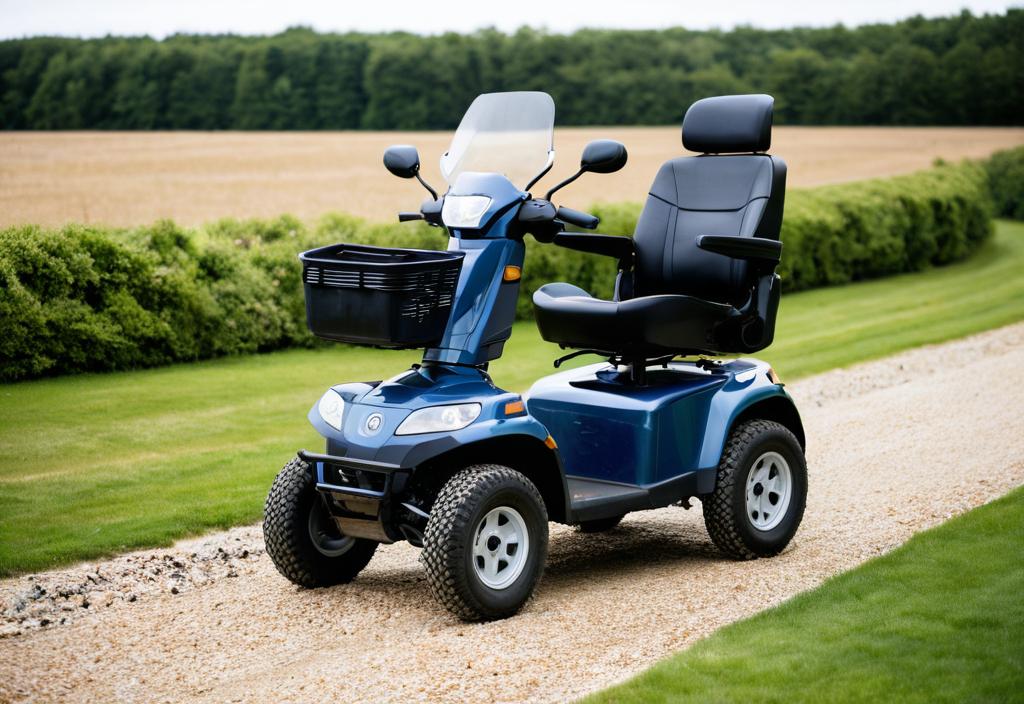

Ultra Lightweight 36Lbs Folding Electric Powered Scooter
Rating: ⭐⭐⭐⭐ 4.4/5
Price: see current price on Amazon
22-mile range with dual lithium batteries and all-terrain capability. Airline approved with advanced heat dissipation design for summer use.
Pros: Long range, dual batteries, lightweight design
Cons: Higher price point, complex folding mechanism
Buy on AmazonPersonal cooling solutions for rider comfort and safety
Your personal comfort and safety in extreme heat is just as important as protecting your mobility scooter. Heat-related health issues can develop rapidly, particularly for people with mobility challenges who may have reduced ability to regulate body temperature or seek immediate relief.
The Centers for Disease Control and Prevention reports that adults over 65 and people with chronic medical conditions face significantly higher risks of heat-related illness. Mobility scooter users often fall into both categories, making proactive cooling strategies essential rather than optional.
Active cooling technologies for mobility scooter users
Personal cooling vests represent the gold standard for body temperature regulation during hot weather activities. Modern cooling vests use phase-change materials or evaporative cooling to maintain comfortable body temperatures for 2-8 hours. These vests can reduce core body temperature by 5-10°F, providing significant protection against heat exhaustion.
Battery-powered personal fans have evolved significantly in recent years. Neck-worn fans, clip-on fans, and handheld units now offer impressive airflow with 4-12 hour battery life. The key is selecting fans with enough CFM (cubic feet per minute). Look for units that move at least 50 CFM for a noticeable cooling effect.
Cooling towels and bandanas provide simple, effective relief through evaporative cooling. When soaked in water and applied to pulse points (neck, wrists, temples), these accessories can provide immediate cooling relief. High-tech versions use polymer crystals that absorb and slowly release moisture for extended cooling periods.
Hydration systems and heat stress prevention
Proper hydration is critical for heat stress prevention, but mobility scooter users face unique challenges in maintaining adequate fluid intake during rides. Traditional water bottles can be difficult to access while maintaining control of the scooter, leading to inadequate hydration.
Hands-free hydration systems solve this problem elegantly. Backpack-style hydration systems with bite valves allow continuous access to fluids without removing hands from controls. Insulated systems keep fluids cool for hours, providing additional cooling benefit beyond hydration.
Electrolyte replacement becomes crucial when temperatures exceed 85°F and ride duration exceeds one hour. Traditional sports drinks often contain excessive sugar, but newer formulations designed for seniors provide balanced electrolyte replacement without blood sugar spikes. Staying properly hydrated makes heat easier to tolerate, which matters when you are sitting still in full sun. Mayo Clinic sets out how much fluid the body needs each day.
Clothing and shade strategies for maximum comfort
Clothing selection significantly impacts heat tolerance during mobility scooter use. Light-colored, loose-fitting clothing reflects heat and allows air circulation, while dark or tight clothing traps heat and reduces the body’s cooling ability. Fabrics with UPF ratings provide additional protection against UV radiation.
Moisture-wicking fabrics deserve special consideration for summer scooter use. These synthetic materials move perspiration away from skin, allowing natural cooling through evaporation. Many moisture-wicking garments also include antimicrobial treatments that prevent odor development during extended wear.
A wide-brimmed hat and sunglasses matter more on a scooter than on foot, because you are sitting still in the sun for the whole ride rather than moving through it. The old line about losing most of your body heat through your head is a myth, and it is the wrong way round here anyway: the point of the hat is shade on your face and neck, not insulation. Look for one with a chin strap, because a hat that blows off at four miles an hour is a hat you will stop wearing.
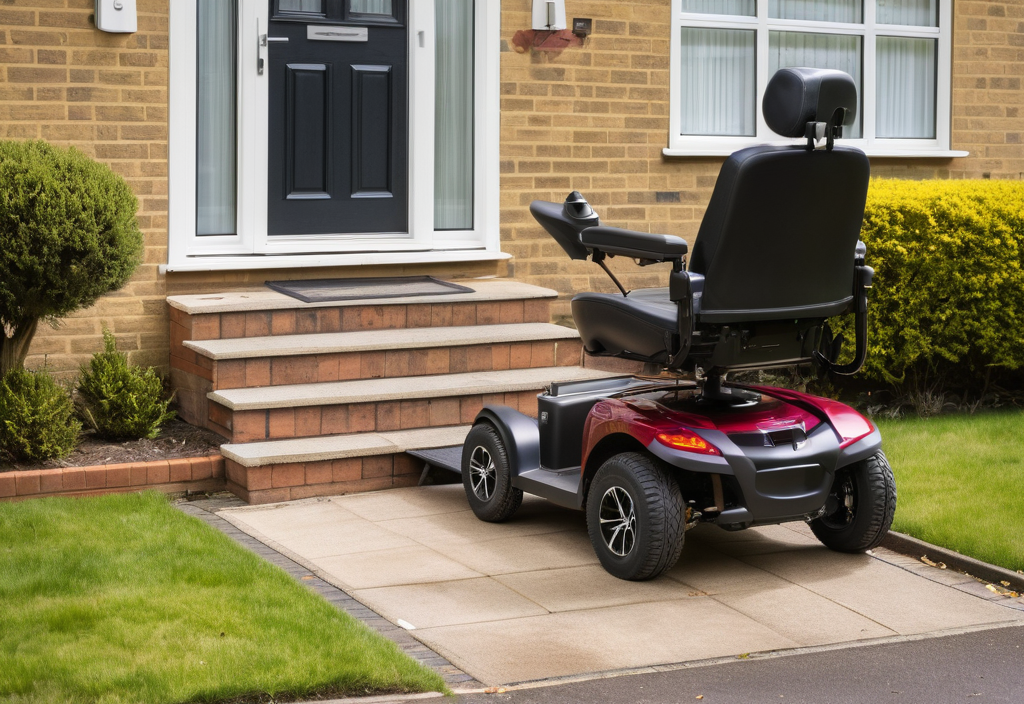

Heavy Duty Mobility Scooter 500lbs Capacity
Rating: ⭐⭐⭐⭐⭐ 4.7/5
Price: see current price on Amazon
1000W all-terrain recreational scooter with sturdy cooling system and enhanced heat dissipation for extreme weather operation.
Pros: High capacity, powerful motor, excellent heat management
Cons: Premium pricing, heavy weight, not easily portable
Buy on Amazon
Strategic planning for extreme heat operation
Success in hot weather mobility scooter operation requires moving beyond reactive solutions to proactive planning. The difference between a successful summer outing and a potentially dangerous situation often comes down to preparation and strategic thinking about timing, routes, and backup plans.
Weather awareness forms the foundation of effective heat management. Modern weather apps provide hour-by-hour temperature forecasts, UV index readings, and heat index calculations that combine temperature and humidity for real-world heat exposure assessment. The National Weather Service Heat Index becomes crucial for planning, with values above 90°F indicating increased risk of heat exhaustion.
Optimal timing strategies for summer scooter use
Time-of-day planning can reduce heat exposure by 30-50% without sacrificing mobility independence. Early morning hours, typically between 6 AM and 10 AM, offer the coolest temperatures and lowest UV exposure of the day. Evening hours after 6 PM provide the second-best window, though temperatures may remain elevated due to heat absorption throughout the day.
Avoid the peak heat period between 11 AM and 4 PM whenever possible. During these hours, air temperatures reach their daily maximum, UV radiation is most intense, and asphalt surfaces can exceed 140°F. If travel during peak hours is unavoidable, plan for shorter distances, frequent breaks, and increased cooling measures.
Seasonal timing also matters for long-term planning. In most North American locations, the hottest period extends from mid-July through early September. During these weeks, consider adjusting your regular mobility patterns to emphasize indoor activities during the hottest days and outdoor mobility when temperatures moderate.
Route optimization for heat management
Route selection can significantly impact heat exposure and scooter performance. Prioritize shaded paths, tree-lined streets, and areas with good air circulation. Urban heat islands, created by concrete and asphalt, can be 5-10°F hotter than surrounding areas, making route choice particularly important in city environments.
Plan cooling stops every 20-30 minutes during hot weather operation. These stops should provide shade, access to air conditioning if possible, and opportunity for both personal cooling and scooter heat dissipation. Libraries, shopping centers, and community centers often welcome mobility scooter users and provide excellent cooling environments.
Consider elevation changes in your route planning. Hot air rises, making higher elevations slightly cooler than low-lying areas. Additionally, hills require increased motor effort, generating additional heat, so balance elevation benefits against increased power demands.
Heat is hard on the battery as well as on you, so pair summer riding habits with a maintenance schedule that includes checking the pack and the connectors before the hottest months arrive.
Related buying guides: 4-Wheel Scooters, Scooters for Seniors, 3-Wheel Scooters, and the full catalog and mobility statistics.