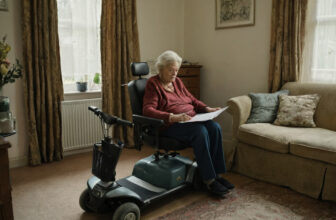
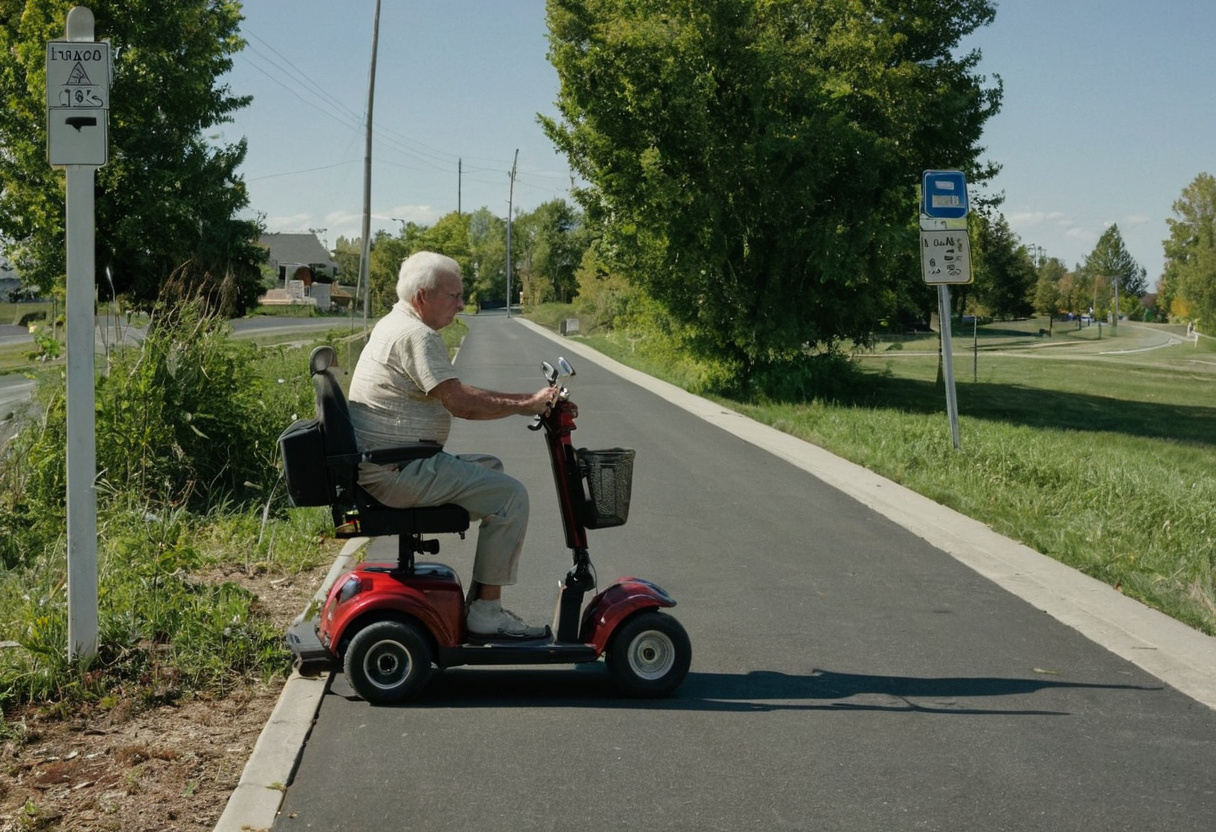
Last month, Margaret received a $385 fine for riding her mobility scooter on a busy downtown street in Portland. She had no idea that Oregon law required her to use sidewalks instead of roadways for her Class 2 scooter. Meanwhile, across the border in British Columbia, James was confused when police told him his new high-speed scooter needed registration and insurance to operate legally on public roads.
These scenarios highlight a critical gap in mobility scooter education: understanding the complex web of speed regulations, traffic laws, and legal requirements that vary dramatically across jurisdictions in the USA and Canada. With over 1.7 million Americans and 180,000 Canadians relying on mobility scooters for independence, navigating these legal requirements isn’t just about compliance—it’s about safety, avoiding costly fines, and protecting your right to mobility.
This comprehensive guide cuts through the regulatory confusion with clear, jurisdiction-specific information about speed limits, licensing requirements, road versus sidewalk usage rules, and essential safety compliance guidelines for 2025.
Understanding mobility scooter classifications and their legal implications
Before diving into specific regulations, you need to understand how mobility scooters are legally classified, as these classifications determine which rules apply to your device. Both the USA and Canada use similar classification systems, though terminology and specific requirements vary by jurisdiction.
Class 1 mobility scooters: indoor and pavement devices
Class 1 scooters are designed primarily for indoor use and smooth pavement surfaces. These devices typically have a maximum speed of 4 mph (6.4 km/h) and are considered the most basic category of mobility aids. In most jurisdictions, Class 1 scooters have the fewest regulatory requirements.
Key characteristics include:
- Maximum speed: 4 mph (6.4 km/h)
- Weight limit: Usually 250-350 lbs
- Usage: Indoor spaces, shopping centers, smooth sidewalks
- Power source: Typically smaller battery systems
These scooters rarely require registration or licensing in either country, though specific local ordinances may apply. When selecting a mobility device that meets your needs, understanding these classifications helps ensure legal compliance from the start.
Class 2 mobility scooters: pavement and sidewalk vehicles
Class 2 scooters represent the most common category for outdoor use, with maximum speeds typically ranging from 4-8 mph (6.4-12.8 km/h). These devices are designed for sidewalk use and are generally prohibited from roadways except when crossing streets or where no sidewalk exists.
Specifications typically include:
- Maximum speed: 4-8 mph (6.4-12.8 km/h)
- Weight capacity: 300-500 lbs
- Range: 15-25 miles per charge
- Features: Lights, reflectors, horn or bell required
Powered Mobility Scooter for Adults, Seniors – 23MI Extra Long Range
Foldable 4-wheel electric scooter with dual airport-approved batteries. Perfect for travel with 23-mile range and all-terrain capability. However, the higher speed may require additional safety equipment in some jurisdictions.
Rating: ⭐⭐⭐⭐⭐ 4.9 | Price: $999.00
Class 3 mobility scooters: road-capable vehicles
Class 3 scooters can reach speeds of 8 mph (12.8 km/h) or higher and are often permitted on roadways under specific conditions. These devices face the most stringent regulatory requirements, including potential registration, insurance, and enhanced safety equipment mandates.
Road-capable scooters typically feature:
- Maximum speed: 8+ mph (12.8+ km/h)
- Enhanced lighting systems
- Turn signals and hazard lights
- Mirrors (required in many jurisdictions)
- Horn or audible warning device

This Photo was taken by Deva Darshan.
United States federal framework and state variations
The United States lacks a unified federal regulatory framework for mobility scooters, creating a complex patchwork of state and local laws. However, the Americans with Disabilities Act (ADA) provides overarching protections that influence state regulations.
ADA protections and federal guidelines
Under the ADA’s mobility device provisions, mobility scooters are generally classified as “other power-driven mobility devices” (OPDMDs) when used by individuals with mobility disabilities. This federal protection ensures basic access rights but doesn’t supersede traffic safety regulations.
Federal guidelines establish that:
- Public accommodations must allow mobility scooters in areas open to pedestrian traffic
- Speed restrictions may be imposed for safety reasons
- Reasonable modifications to policies must be made
- Size and weight restrictions must be justified by legitimate safety concerns
State-by-state regulatory variations
State regulations vary significantly, creating challenges for users who travel across state lines. Here’s how major states approach mobility scooter regulation:
| State | Speed Limit | License Required | Road Use | Insurance Required |
|---|---|---|---|---|
| California | 8 mph | No | Limited | No |
| Florida | 8 mph | No | Limited | No |
| New York | 7.5 mph | No | Prohibited | No |
| Texas | 8 mph | No | Limited | No |
| Arizona | 10 mph | Yes (>8 mph) | Limited | Yes (>8 mph) |
California’s approach represents the mainstream U.S. model, allowing mobility scooters up to 8 mph on sidewalks and bike paths, with road use permitted only when crossing streets or where no sidewalk exists. The California DMV’s mobility scooter regulations serve as a template for many other states.
Local municipality variations
Even within states, local municipalities often impose additional restrictions. Cities like San Francisco require registration for scooters exceeding 3 mph, while rural counties may have minimal oversight. When planning to use your scooter in a new area, research local ordinances through city websites or contact municipal offices directly.
Mobility Scooter for Adults, Seniors – 37.5 lbs Ultra Lightweight
Airport-approved folding scooter with 275 lbs capacity. Excellent for travel and meets most municipal weight restrictions. The ultra-lightweight design may limit stability on uneven terrain.
Rating: ⭐⭐⭐⭐⭐ 4.8 | Price: $1,899.00
Canadian provincial regulations and national standards
Canada’s approach to mobility scooter regulation is more standardized than the U.S. system, though provincial variations still exist. Transport Canada provides national guidelines, while provinces maintain authority over specific implementation details.
Transport Canada national framework
Transport Canada’s mobility scooter guidelines establish baseline safety standards and classification criteria used across all provinces. The federal framework divides devices into similar categories as the U.S. system but with more uniform enforcement.
National standards include:
- Maximum speed of 10 km/h (6.2 mph) for sidewalk use
- Mandatory lighting and reflective equipment for speeds above 6 km/h
- Weight restrictions based on infrastructure capacity
- Minimum age requirements for operation (typically 14 years)
Provincial implementation differences
While Transport Canada sets national standards, provinces adapt these guidelines to local conditions and infrastructure needs. Ontario’s regulations are particularly comprehensive, serving as a model for other provinces.
Key provincial variations:
Ontario: Permits mobility scooters up to 10 km/h on sidewalks, requires registration for devices exceeding 6 km/h, mandates insurance for road-capable models.
British Columbia: Similar speed limits but with stricter enforcement in urban areas, particularly Vancouver and Victoria where traffic density creates safety concerns.
Alberta: More permissive approach in rural areas, with some municipalities allowing limited road use on low-traffic streets.
Quebec: Unique bilingual signage requirements and additional training mandates for high-speed devices.

This Photo was taken by cottonbro studio.
Speed regulations and enforcement mechanisms
Speed limits for mobility scooters aren’t arbitrary numbers—they’re based on pedestrian safety research and infrastructure design limitations. Understanding these limits and their enforcement helps you avoid violations and stay safe.
Scientific basis for speed limits
Research from the National Highway Traffic Safety Administration demonstrates that pedestrian injury severity increases exponentially with impact speeds above 4 mph. This research underlies most jurisdictional speed limits for mobility devices in pedestrian areas.
Speed limit rationales include:
- Reaction time for pedestrians and scooter operators
- Stopping distance calculations on various surfaces
- Infrastructure capacity (sidewalk width, door clearances)
- Mixed-use area safety (shopping centers, parks)
Enforcement methods and penalties
Enforcement varies dramatically between jurisdictions, with some areas relying on complaint-driven responses while others conduct proactive patrols. Understanding local enforcement patterns helps you anticipate potential issues.
Common enforcement approaches:
Warning systems: First violations often result in warnings and education about proper scooter operation.
Financial penalties: Fines typically range from $25-$500, depending on the violation severity and local economic conditions.
Device impoundment: Repeat violations or dangerous operation may result in temporary device confiscation.
Mandatory training: Some jurisdictions require safety course completion for serious violations.
330lbs Max Weight, Electric Mobility Scooter for Adults
4-wheel mobility scooter with 20-mile range and 330-pound capacity. Reliable performance meets most speed regulations. Limited to slower speeds which may not suit all user preferences.
Rating: ⭐⭐⭐⭐⭐ 4.7 | Price: $649.99
Speed monitoring technology
Modern enforcement increasingly relies on technology to monitor scooter speeds and identify violations. GPS-based monitoring systems and radar detection are becoming more common in urban areas with high scooter usage.
Emerging monitoring methods include:
- Fixed radar installations in high-traffic pedestrian areas
- Mobile enforcement units with speed detection equipment
- Citizen reporting apps linked to municipal enforcement systems
- Integration with existing traffic camera networks
License and registration requirements by jurisdiction
The question of whether you need a license or registration for your mobility scooter depends on multiple factors: device speed, intended use areas, and local regulations. Understanding these requirements prevents legal complications and ensures proper coverage.
United States licensing framework
Most U.S. states don’t require traditional driver’s licenses for mobility scooters, but some impose alternative licensing or registration requirements for higher-speed devices. Arizona represents the most stringent approach, requiring motorcycle licenses for scooters exceeding 8 mph.
State-specific requirements include:
Arizona: Motorcycle license required for scooters over 8 mph, registration and insurance mandatory for road-capable devices.
California: No license required, but optional registration programs exist in some counties for theft protection.
Florida: No state-level requirements, but some municipalities require permits for beach or park access.
New York: Prohibits mobility scooters on roadways entirely, eliminating most licensing requirements.
Canadian registration systems
Canadian provinces generally require registration for mobility scooters exceeding basic speed thresholds. This registration serves multiple purposes: safety compliance verification, theft deterrence, and insurance coordination.
Provincial registration details:
Ontario: Registration required for devices over 6 km/h, includes safety inspection and equipment verification.
British Columbia: Voluntary registration program with mandatory elements for road use.
Alberta: Registration required only for devices permitted on roadways.
Registration typically involves presenting your scooter for safety inspection, providing proof of purchase, and paying a nominal fee (usually $10-$50). The process ensures your device meets safety standards and creates a legal record for insurance and theft protection purposes.
Insurance implications of licensing
Whether your scooter requires licensing directly impacts insurance requirements and coverage options. Licensed vehicles often need separate insurance policies, while unlicensed devices may be covered under homeowner’s or renter’s insurance. Understanding these relationships helps you make informed decisions about comprehensive insurance coverage for your mobility needs.

This Photo was taken by Yan Krukau.
Sidewalk versus road usage rules and restrictions
The decision of whether to use sidewalks or roads isn’t always yours to make—legal requirements, infrastructure limitations, and safety considerations all influence where you can legally operate your mobility scooter.
Sidewalk usage regulations
Most jurisdictions designate sidewalks as the primary legal operating area for mobility scooters, but this seemingly simple rule includes numerous exceptions and qualifications. Sidewalk regulations focus on protecting pedestrian safety while accommodating mobility device users.
Common sidewalk rules include:
- Maximum speed limits (typically 3-6 mph in pedestrian areas)
- Yield requirements to pedestrians
- Prohibition in certain high-density areas
- Equipment requirements (bells, lights, reflectors)
- Time-based restrictions (rush hours, special events)
Sidewalk width requirements vary, but most jurisdictions require adequate clearance for wheelchair passage (minimum 36 inches). When sidewalks are too narrow or crowded, alternative routes or dismounting may be required.
Road usage permissions and restrictions
Road usage represents the most complex area of mobility scooter regulation, with rules varying based on road type, traffic volume, and local infrastructure conditions. Most jurisdictions limit road use to specific circumstances.
Permitted road usage typically includes:
- Street crossing at designated crosswalks
- Areas where no sidewalk exists
- Low-speed residential streets (under specific conditions)
- Designated bike lanes where permitted
- Emergency situations requiring road access
Prohibited areas usually include:
- Highways and interstate roads
- High-speed arterial streets
- Bridges without adequate shoulder space
- Tunnels and underpasses
- Construction zones
Bike lane and shared-use path regulations
Bike lanes and multi-use paths create unique regulatory challenges, as they’re designed for various user types with different speed capabilities. Regulations in these areas often balance cyclist speeds with pedestrian and mobility device safety.
Shared-use area rules typically specify:
- Maximum speeds for different user types
- Passing protocols and right-of-way rules
- Time-based usage restrictions
- Required safety equipment
- Maintenance and obstacle reporting responsibilities
4-Wheel Mobility Scooter for Adults & Seniors – Heavy-Duty Compact
Compact travel scooter with LED lights and basket. Perfect for sidewalk use with excellent portability. The compact design may limit stability on uneven surfaces.
Rating: ⭐⭐⭐⭐⭐ 4.8 | Price: $499.99
When using shared paths, remember that faster-moving cyclists have different stopping distances and visibility requirements than pedestrians. Maintaining predictable travel patterns and using audible signals when appropriate helps prevent accidents and maintains positive relationships between user groups.
Safety compliance requirements and equipment mandates
Safety equipment requirements aren’t suggestions—they’re legal mandates that can result in fines or device impoundment if ignored. These requirements are based on traffic safety research and accident prevention data collected over decades of mobility device use.
Mandatory lighting and visibility equipment
Lighting requirements vary by jurisdiction and scooter classification, but most areas require some form of illumination for devices used outside daylight hours or in low-visibility conditions. These requirements protect both scooter users and other road users.
Standard lighting requirements include:
- Front-facing white light (typically LED, minimum 100 lumens)
- Rear-facing red light or reflector
- Side reflectors for 360-degree visibility
- Turn signals for road-capable devices
- Hazard lights for emergency situations
Modern smart mobility scooters with integrated technology often include advanced lighting systems with automatic activation based on ambient light conditions. These systems ensure compliance while reducing user workload.
Audible warning device requirements
Horns, bells, or other audible warning devices are required in most jurisdictions for scooters capable of speeds above walking pace. The specific requirements vary, but the goal is consistent: providing adequate warning to pedestrians and other users.
Audible device