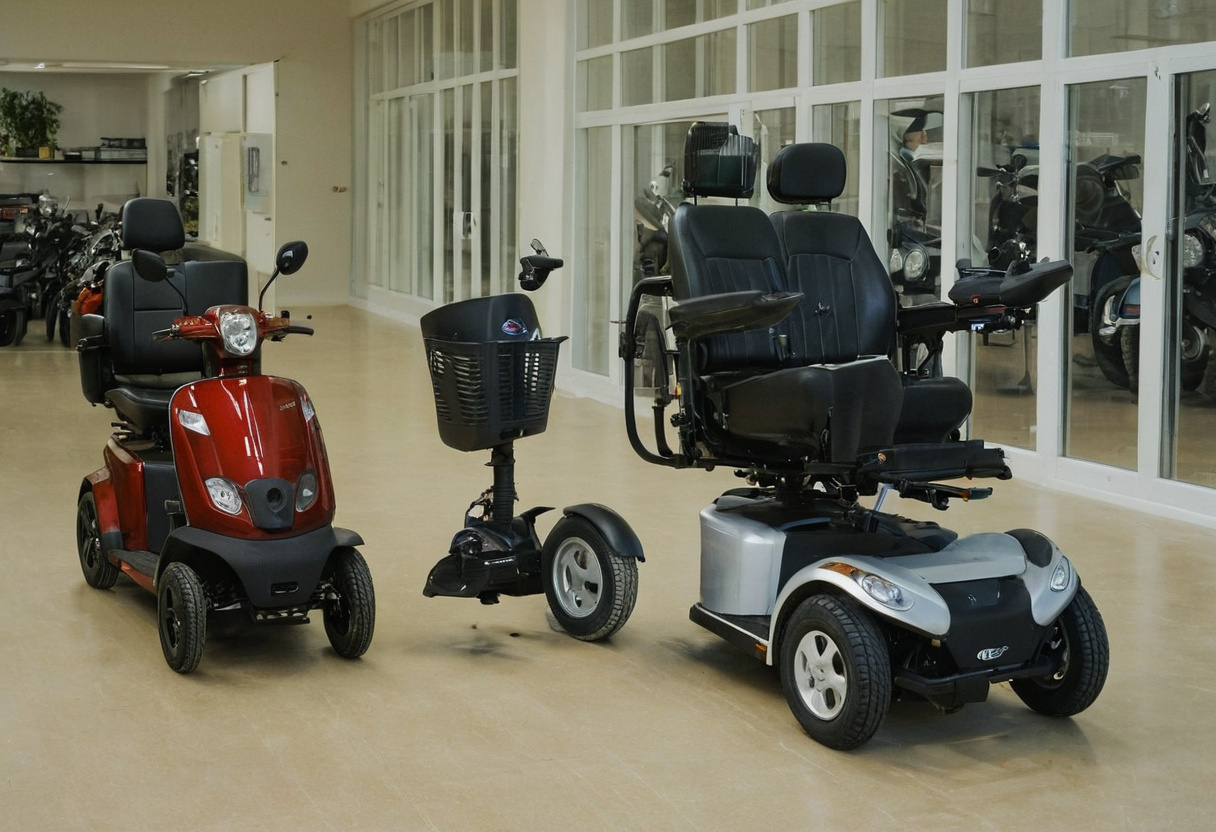
Mobility scooters, wheelchairs and power chairs look like three versions of the same thing in a showroom. They are not. Each is built around a different assumption about what its user can do unaided, and that assumption, rather than price or features, is what should decide the choice.
This comparison sets out what separates them in practice: how much of the day you spend seated, how much postural support you need, how tight the spaces are that you have to turn in, and how the machine gets from your home to wherever you are going.
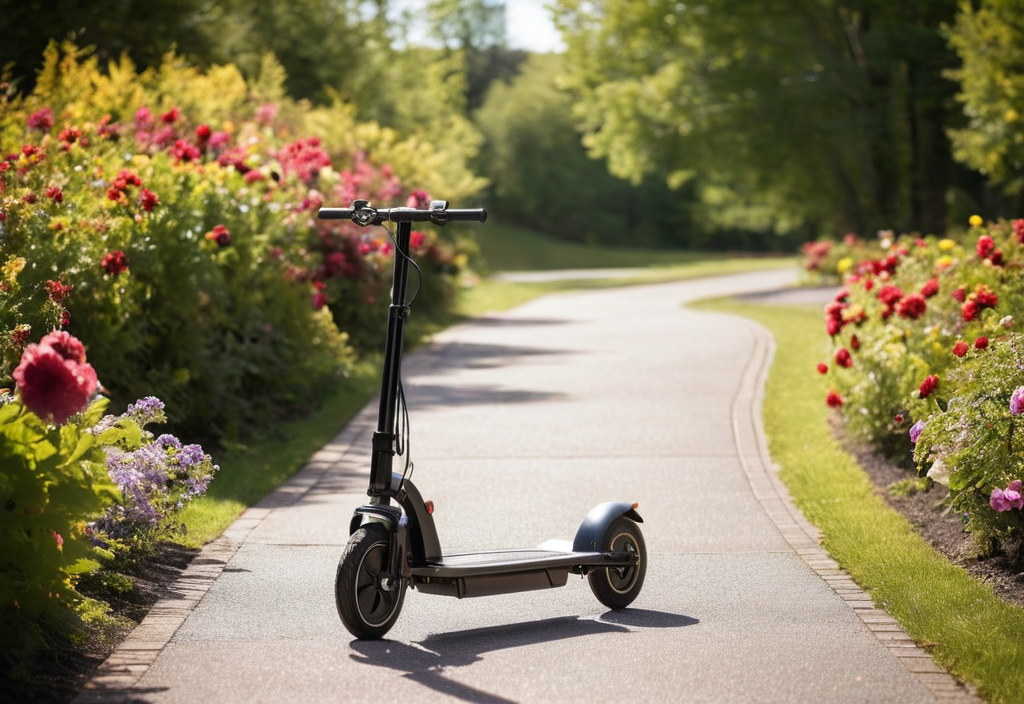
- In the U.S., 27.7% of adults 65+ and 16.8% of adults 45–64 report a mobility disability (serious difficulty walking or climbing stairs).
- In Canada, about 3.13 million adults live with a mobility-related disability, which is 63% of disabled seniors.
- Mobility disability is reported more often by women than men (13.6% vs 10.5%).
Sources: U.S. CDC Disability & Health Data System (DHDS), BRFSS 2021; Statistics Canada, Canadian Survey on Disability 2022.
Decoding the mobility trinity: understanding your three pathways to freedom
The mobility equipment landscape has evolved dramatically over the past decade. What once seemed like clear-cut categories now blur together, creating confusion for consumers seeking the right solution. Let’s start by establishing what sets each option apart in fundamental ways.
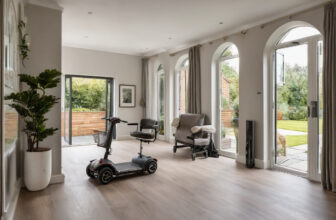
Mobility scooters represent the most recreational approach to assisted mobility. These battery-powered vehicles typically feature a captain’s chair, handlebars, and a platform for your feet. They’re designed for people who can walk short distances but need assistance with longer journeys or outdoor activities.
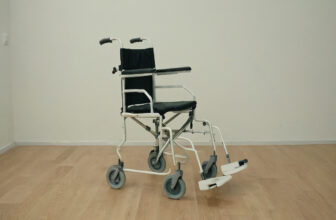
Traditional wheelchairs, whether manual or electric, maintain the classic seated position with large wheels and hand rims or joystick controls. They serve users who spend most of their mobility time in the seated position and need reliable indoor and outdoor transportation.
Power chairs occupy the premium category, offering sophisticated seating systems, advanced positioning options, and clinical-grade components designed for all-day use. They’re engineered for users with complex mobility needs who require maximum support and customization.
The mobility spectrum: matching devices to disability types
Different disabilities require different mobility approaches. Understanding this spectrum helps clarify which device category aligns with your specific needs.
For temporary mobility limitations following surgery or injury, rental mobility scooters often provide the perfect solution. These situations benefit from the ease of use and minimal learning curve that scooters offer.
Progressive conditions like multiple sclerosis or muscular dystrophy typically start with mobility scooter needs but may evolve toward power chair requirements as symptoms advance. Many users find themselves transitioning between categories over time.
Spinal cord injuries, depending on the level and completeness, often align better with wheelchair or power chair solutions that accommodate the user’s seated lifestyle and provide optimal pressure distribution.

Mobility scooters: the recreational mobility solution
Mobility scooters have earned their reputation as the most user-friendly entry point into powered mobility. They’re designed around the concept that users can still stand, walk short distances, and transfer independently but need assistance with longer journeys.
The scooter advantage: why they dominate the market
The appeal of mobility scooters lies in their intuitive operation and social acceptance. Most users can hop on and start riding within minutes, thanks to simple throttle controls and automotive-style steering. This ease of use makes them particularly attractive for seniors transitioning from walking aids.
Transportation advantages set scooters apart from their competitors. Many models feature quick-disconnect components and lightweight designs that make car transport feasible. The airline approval available for certain lightweight models opens up travel opportunities that wheelchairs and power chairs simply cannot match.

Ultra Lightweight 27.5 lbs Carbon Fiber Folding Electric Scooter
current price on Amazon
⭐⭐⭐⭐⭐ 4.6/5
Airlines approved all-terrain portable scooter featuring carbon fiber construction for ultimate portability. Perfect for travel and daily mobility needs.
Pros: Ultra-lightweight, airline approved, premium materials
Cons: Premium price point, limited weight capacity
Buy on AmazonRange varies widely by model and is always quoted under ideal conditions, so treat the figure on the box as a ceiling rather than a plan. What has genuinely improved is battery technology and optimization, making all-day excursions possible without range anxiety.
Scooter limitations: when they fall short
Despite their popularity, mobility scooters have limits that matter for some riders. They need more room to turn than a power chair does, which makes tight hallways and small bathrooms difficult. They offer no postural support beyond a basic seat, so they do not suit anyone who needs positioning or pressure relief. And they assume you can sit upright unaided, steer with your hands and transfer on and off without help. Where any of those does not hold, a power chair is the better tool.
Related buying guides: 4-Wheel Scooters, Scooters for Seniors, 3-Wheel Scooters, and the full catalog and mobility statistics.