Getting a mobility scooter prescribed isn’t as simple as asking your doctor for one. The 2026 prescription and medical evaluation process involves multiple healthcare professionals, extensive documentation, and a complex dance between medical necessity and insurance requirements. Many patients discover this reality only after being denied coverage or facing unexpected out-of-pocket costs that can reach thousands of dollars.
The truth is that Medicare and private insurers have tightened their approval criteria significantly over the past few years. What used to be a straightforward prescription process now requires strategic preparation, precise documentation, and understanding of specific medical criteria that vary between the USA and Canada.
This comprehensive guide reveals the insider knowledge you need to navigate the prescription process successfully, from initial doctor consultations through final insurance approval, ensuring you get the mobility assistance you need without the financial burden.
Why the prescription process matters more than ever in 2026
The landscape of mobility scooter prescriptions has evolved dramatically. According to recent data from the Centers for Medicare & Medicaid Services, denial rates for durable medical equipment (DME) claims increased by 23% between 2023 and 2025. This shift reflects stricter enforcement of medical necessity requirements and more rigorous documentation standards.
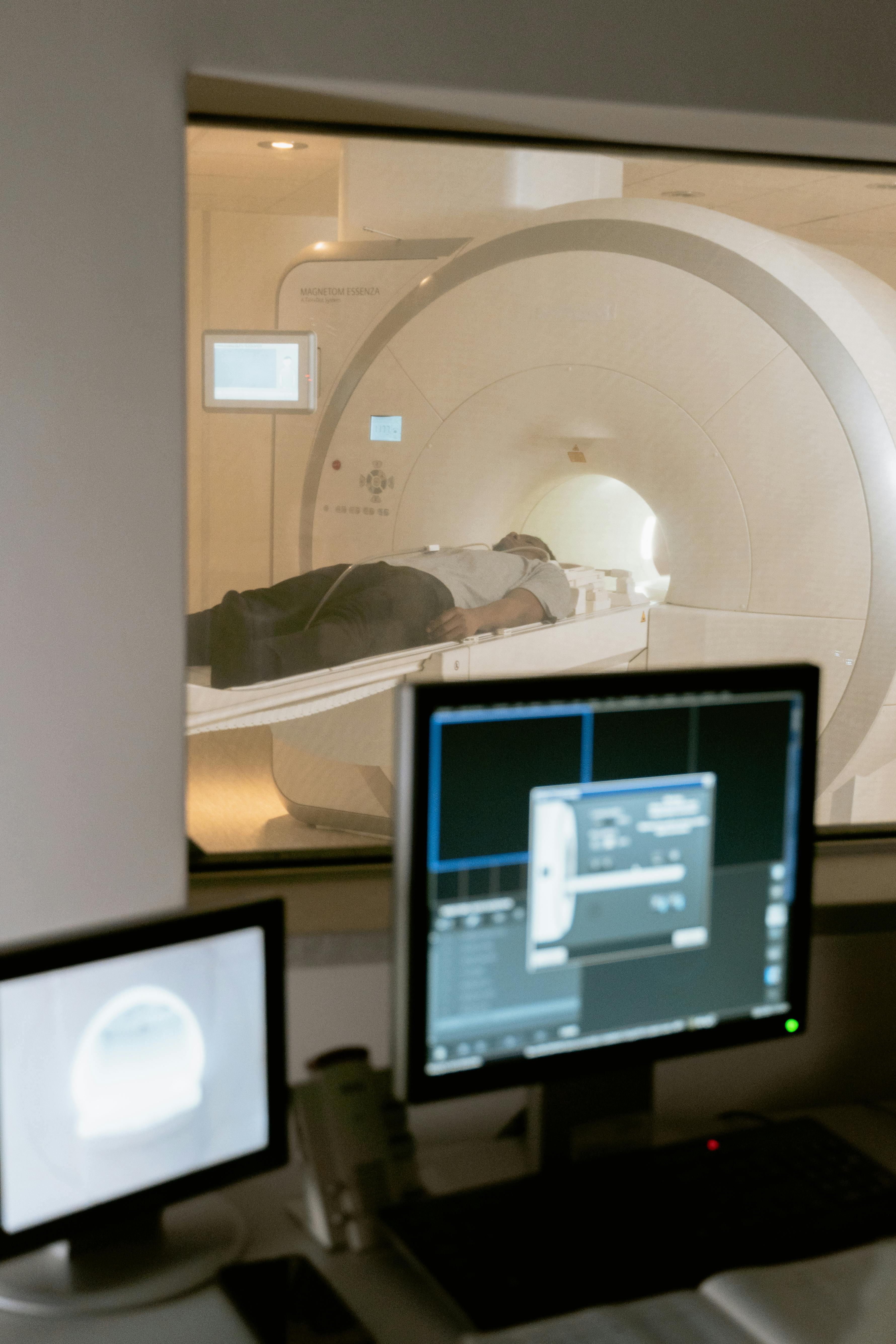
This Photo was taken by MART PRODUCTION.
In Canada, provincial health plans have implemented similar restrictions, with some provinces requiring pre-authorization for mobility aids exceeding $2,500 CAD. The Ontario Assistive Devices Program, for example, now mandates a two-step evaluation process that includes both physician assessment and occupational therapy review.
Understanding these changes isn’t just about saving money – it’s about avoiding months of delays that can significantly impact your quality of life. The proper prescription pathway ensures faster approval, better equipment matching, and comprehensive coverage that includes necessary accessories and maintenance.
Understanding doctor requirements and medical criteria
The foundation of any successful mobility scooter prescription begins with meeting specific medical criteria established by insurance providers and healthcare systems. These requirements extend far beyond simply having difficulty walking.
Primary qualifying conditions
Medicare Part B and most private insurers recognize several categories of qualifying conditions for mobility scooter coverage. The most common include:
- Severe arthritis affecting multiple joints with documented functional limitations
- Neurological conditions such as multiple sclerosis, Parkinson’s disease, or stroke recovery
- Cardiovascular conditions with significant exercise intolerance
- Chronic obstructive pulmonary disease (COPD) with mobility restrictions
- Amputation or significant lower extremity weakness
- Balance disorders with documented fall risk
The key distinction lies in demonstrating that your condition creates a “mobility limitation that significantly impairs your ability to participate in activities of daily living within the home.” This specific language appears in most insurance policies and forms the basis for medical necessity determinations.
Documentation requirements from your primary physician
Your primary care physician plays a crucial role in the prescription process, but they must provide specific documentation that goes beyond a simple prescription pad note. The required elements include:
| Documentation Element | Required Details | Insurance Impact |
|---|---|---|
| Medical History Summary | Detailed progression of mobility limitations over past 6 months | Establishes chronic nature of condition |
| Functional Assessment | Specific distances patient can walk without assistance | Quantifies mobility limitations |
| Home Environment Evaluation | Description of living space and mobility challenges | Justifies medical necessity for home use |
| Alternative Treatment History | Documentation of previous interventions and outcomes | Shows scooter as appropriate next step |
Medicare’s Local Coverage Determinations specify that physicians must document why less expensive alternatives, such as canes or walkers, are insufficient for the patient’s needs. This comparative analysis often determines approval success.

Go-Go Ultra X 3-Wheel Travel Mobility Scooter
$1,172.00
⭐ 4.6/5 Rating
Compact and lightweight travel scooter perfect for indoor and outdoor use. Easy disassembly for transport, though limited weight capacity may not suit all users.
Specialist referrals and their importance
While primary care physicians can initiate the prescription process, specialist involvement often strengthens insurance approval chances. Relevant specialists include:
- Physiatrists – Rehabilitation medicine doctors who specialize in mobility assessments
- Neurologists – Essential for conditions affecting the nervous system
- Orthopedic surgeons – Important for joint and bone-related mobility issues
- Cardiologists – Required for heart-related exercise limitations
Specialist documentation carries additional weight with insurance reviewers because it demonstrates comprehensive medical evaluation and confirms the primary physician’s assessment from a specialized perspective.
Physical therapy assessment and functional evaluation
Physical therapy evaluation represents one of the most critical components of the mobility scooter prescription process. Insurance companies increasingly require objective functional assessments that quantify mobility limitations and demonstrate medical necessity.

This Photo was taken by cottonbro studio.
The role of physical therapists in the prescription process
Physical therapists provide objective measurements that physicians often cannot capture in standard office visits. Their evaluation includes standardized mobility tests, balance assessments, and functional capacity evaluations that insurance companies recognize as valid medical evidence.
The American Physical Therapy Association’s evidence-based guidelines emphasize the importance of functional mobility testing in determining appropriate assistive device recommendations. These standardized assessments eliminate subjective bias and provide quantifiable data for insurance review.
Key functional tests and measurements
Physical therapists utilize several standardized tests to evaluate mobility scooter necessity:
- Six-Minute Walk Test – Measures maximum distance walked in six minutes
- Timed Up and Go Test – Evaluates balance and fall risk during mobility transitions
- Berg Balance Scale – Assesses static and dynamic balance capabilities
- Functional Reach Test – Measures forward reach while maintaining balance
- Activities of Daily Living Assessment – Evaluates ability to perform home-based tasks
These measurements provide concrete data that insurance reviewers can evaluate against established criteria for mobility aid necessity. For example, Medicare typically considers patients who cannot walk more than 50 feet without significant fatigue or safety concerns as potential candidates for mobility scooters.

30 Miles Long Range 4 Wheel Electric Mobility Scooter
$599.00
⭐ 4.6/5 Rating
Impressive 30-mile range with foldable design for easy storage and transport. Strong value proposition, though assembly can be challenging for some users.
Home environment assessment
Physical therapists often conduct home evaluations to assess the practical necessity of mobility scooters within the patient’s living environment. This assessment examines:
- Doorway widths and accessibility requirements
- Flooring types and potential mobility barriers
- Turning radius requirements in key living spaces
- Storage considerations for the mobility device
- Charging location accessibility and safety
The home assessment documentation becomes particularly important for patients who need home accessibility modifications to accommodate their mobility scooter effectively.
Trial period recommendations
Many physical therapists recommend trial periods with different mobility devices before finalizing prescriptions. This approach allows patients to experience various scooter types and ensures optimal equipment selection. Trial periods also provide additional documentation of medical necessity and equipment appropriateness.
During trial periods, physical therapists monitor patient adaptation, safety concerns, and functional improvements. This documentation strengthens insurance applications by demonstrating real-world benefits and medical necessity validation.
DME supplier selection and accreditation requirements
Selecting the right Durable Medical Equipment (DME) supplier significantly impacts both insurance approval success and long-term satisfaction with your mobility scooter. Not all suppliers meet insurance requirements, and choosing incorrectly can result in claim denials or limited coverage options.

This Photo was taken by Anna Shvets.
Medicare and insurance approved suppliers
Medicare maintains a strict supplier accreditation system that requires DME providers to meet specific quality standards and business practices. Only suppliers enrolled in Medicare’s DME supplier network can bill Medicare directly for mobility scooter purchases.
The Centers for Medicare & Medicaid Services supplier directory provides a searchable database of approved DME suppliers in your area. Using non-approved suppliers typically results in full out-of-pocket payment responsibility, even with valid prescriptions.
Key supplier accreditation standards
Approved DME suppliers must maintain several critical accreditations and certifications:
- National Board for Respiratory Care (NBRC) certification for respiratory-related DME
- Accreditation Commission for Health Care (ACHC) or equivalent quality certification
- State licensure specific to medical equipment provision
- Medicare enrollment with active provider status
- Surety bonding requirements for financial protection
These accreditations ensure suppliers maintain proper inventory management, provide appropriate customer service, and follow Medicare billing guidelines that protect both patients and the healthcare system.
Evaluating supplier services and support
Beyond basic accreditation, quality DME suppliers offer comprehensive services that extend throughout your mobility scooter ownership experience:
| Service Category | Quality Indicators | Red Flags |
|---|---|---|
| Initial Assessment | In-home evaluation, equipment trials, customization options | Phone-only assessments, pressure sales tactics |
| Delivery and Setup | Professional installation, user training, safety orientation | Drop-off delivery, minimal instruction |
| Ongoing Support | 24/7 technical support, loaner equipment, regular maintenance | Limited business hours, no backup equipment |
| Insurance Coordination | Direct billing, prior authorization assistance, appeals support | Upfront payment requirements, limited insurance knowledge |
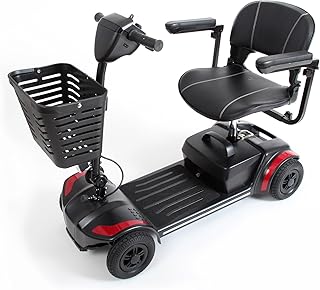
Journey Adventure Mobility Scooter – Lightweight, Electric
$999.00
⭐ 4.7/5 Rating
Robust build quality with excellent maneuverability for both indoor and outdoor use. Premium pricing reflects superior components, though weight may limit portability.
Regional considerations for USA and Canada
Supplier selection requirements differ between the USA and Canada, with each country maintaining distinct regulatory frameworks and approval processes.
In the United States, Medicare Administrative Contractors (MACs) oversee regional supplier networks, and approval requirements can vary by geographic region. Some areas have competitive bidding programs that limit supplier choices but potentially reduce costs.
Canadian provinces operate under different healthcare frameworks, with some provinces requiring specific provincial certifications for DME suppliers. For example, British Columbia’s At Home program requires suppliers to maintain provincial registration and meet specific service delivery standards.
Understanding these regional differences ensures you select suppliers who can properly serve your location and work effectively with your specific insurance or provincial health plan.
Medical documentation and insurance approval strategies
Successful insurance approval for mobility scooters depends heavily on comprehensive medical documentation that clearly establishes medical necessity and meets specific insurer requirements. The documentation process requires strategic coordination between healthcare providers, patients, and DME suppliers.

This Photo was taken by Thirdman.
Essential documentation components
Insurance companies require specific documentation elements that work together to build a compelling case for mobility scooter medical necessity. Missing or incomplete documentation represents the primary cause of claim denials.
The core documentation package includes:
- Certificate of Medical Necessity (CMN) – Standardized form completed by prescribing physician
- Detailed prescription with specific equipment requirements and justification
- Progress notes documenting mobility decline over time
- Diagnostic test results supporting the underlying medical condition
- Physical therapy evaluation with objective functional measurements
- Supplier assessment report documenting equipment trial and fitting
Each document must align with others in the package, presenting a consistent narrative about the patient’s condition, limitations, and need for mobility assistance.
Timeline optimization for approval success
Strategic timing of documentation submission can significantly impact approval success rates. Insurance companies often deny claims based on insufficient evidence of chronic conditions or inadequate trial periods with alternative treatments.
The optimal documentation timeline follows this sequence:
- Initial evaluation period (Months 1-2) – Primary care assessment and specialist referrals
- Treatment trial phase (Months 2-4) – Documentation of conservative treatment attempts
- Functional assessment period (Month 4-5) – Physical therapy evaluation and home assessment
- Equipment trial phase (Month 5-6) – DME supplier assessment and device trials
- Final documentation compilation (Month 6) – Complete package submission to insurance
This timeline allows sufficient documentation of chronic condition progression while demonstrating appropriate medical management attempts before requesting mobility scooter approval.

Lightweight Folding Mobility Scooter for Adults and Seniors
$799.99
⭐ 5.0/5 Rating
Ultra-lightweight design at 47lbs with removable battery for convenient charging. Excellent portability features, though range may be limited compared to heavier models.
Common documentation pitfalls and how to avoid them
Understanding common documentation mistakes helps prevent claim denials and reduces approval timeframes. The most frequent pitfalls include:
- Insufficient medical history documentation – Fails to establish chronic condition progression
- Generic prescription language – Lacks specific medical necessity justification
- Missing functional capacity data – No objective measurements of mobility limitations
- Incomplete alternative treatment documentation – Insufficient evidence of conservative treatment trials
- Poor coordination between providers – Conflicting information across documents
The Medicare Learning Network provides specific guidance on documentation requirements that can help healthcare providers avoid these common mistakes.
Appeal strategies for denied claims
Even well-documented claims sometimes face initial denials, but understanding the appeals process can often reverse these decisions. Insurance companies deny approximately 15% of initial mobility scooter claims, but successful appeals reverse about 60% of these denials.
Effective appeal strategies include:
- Obtaining additional specialist evaluations to strengthen medical necessity
- Providing supplementary functional capacity documentation
- Submitting peer-reviewed research supporting treatment approaches
- Requesting independent medical examinations when appropriate
- Engaging healthcare providers in the appeals process directly
Understanding mobility scooter insurance coverage and claims processes provides additional insights into successful appeal strategies and reimbursement optimization.
Navigating Medicare, Medicaid, and private insurance requirements
Each insurance type maintains distinct requirements for mobility scooter coverage, with varying approval criteria, coverage limits, and documentation standards. Understanding these differences enables strategic approach selection and improves approval success rates.

This Photo was taken by MART PRODUCTION.
Medicare Part B coverage specifics
Medicare Part B covers mobility scooters under the durable medical equipment benefit, but with strict medical necessity requirements and coverage limitations. Understanding these requirements prevents common approval obstacles.
Medicare categorizes mobility scooters as “Power-Operated Vehicles” (POVs) and requires documentation that the beneficiary:
- Has a mobility limitation that significantly impairs activities of daily living within the home
- Cannot safely use a manual wheelchair to perform daily activities
- Can safely operate the mobility scooter and benefit from its use
- Has adequate cognitive function to operate the device safely
- Lives in an environment that accommodates mobility scooter use
Medicare’s coverage includes 80% of the approved amount after the Part B deductible, with beneficiaries responsible for the remaining 20% plus any amount above Medicare’s approved cost.
Medicaid state variations and requirements
Medicaid coverage for mobility scooters varies significantly by state, with some states providing comprehensive coverage while others limit benefits or require extensive prior authorization processes.
States with enhanced Medicaid DME benefits typically include:
- California – Comprehensive coverage through Medi-Cal with minimal copayments
- New York – Robust DME benefits with streamlined approval processes
- Pennsylvania – Enhanced coverage for medically necessary equipment
- Illinois – Comprehensive coverage with multiple supplier options
States with limited Medicaid DME coverage often require supplementary funding sources or have extensive waiting periods for non-emergency equipment approvals.
Private insurance navigation strategies
Private insurance companies maintain varying approaches to mobility scooter coverage, from comprehensive benefits to limited or excluded coverage. Understanding your specific policy provisions enables strategic planning for equipment acquisition.
Key private insurance considerations include:
| Insurance Factor | Coverage Impact | Strategic Response |
|---|---|---|
Prior Authorization Requirements


 |

