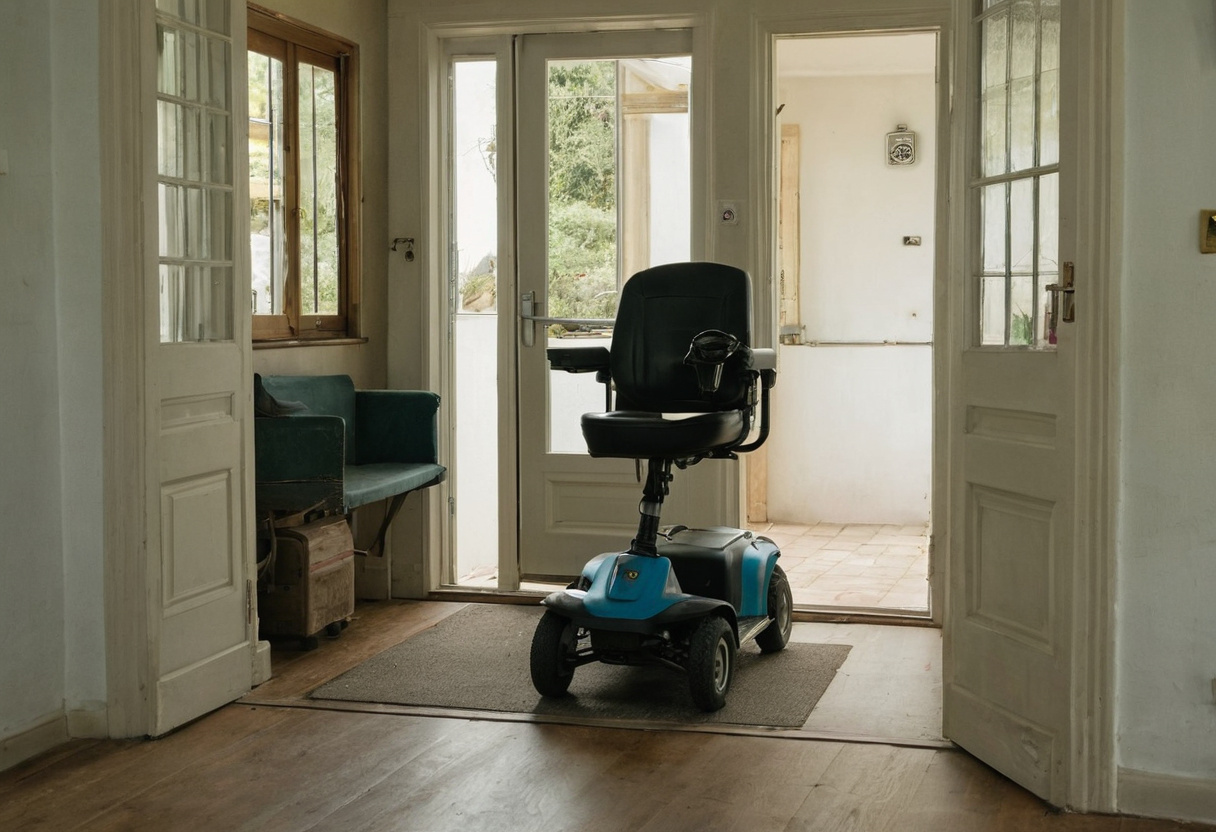
A mobility scooter only works as well as the home it lives in, and the entrance is where most homes fail it. A longer ramp at a gentle slope is almost always safer than a short steep one, and the flat landing at the top matters as much as the ramp, because that is where you stop to open the door. Modular and portable ramps suit renters, since neither alters the property.
A mobility scooter gives you freedom to move, but it only works as well as the home it lives in. With a few thoughtful changes, most houses and apartments can become places where you can roll from the front door to the bedroom without lifting, squeezing, or asking for help, whether you own or rent.
Getting in and out: ramps at entrances
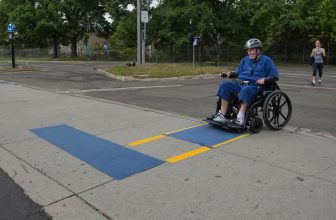
Steps are the most common barrier between a scooter and the front door. A ramp solves this, and you have several options depending on your budget and whether you can make permanent changes.
- Permanent ramps: wood, aluminum, or poured concrete, suited to homeowners wanting a lasting solution at a main entrance. Aim for a gentle, non-steep slope; a longer ramp is almost always safer than a short, steep one.
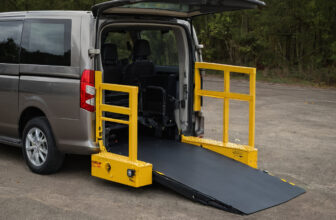
- Modular aluminum ramps: these bolt together on site and can be reconfigured or removed later, a strong choice for renters or anyone who may move.
- Portable folding ramps: lightweight and stowable, these bridge a few steps and travel with you to friends’ homes, shops, or appointments.
Whatever style you choose, look for a firm, slip-resistant surface, raised edges to keep the wheels from drifting off, and a flat, level landing at the top so you can pause and open the door comfortably. Good entrance lighting helps too.

Ultra Lightweight Carbon Fiber Folding Scooter
Perfect for narrow doorways at just 27.5 lbs with airline approval. Features all-terrain capability and included charging accessories.
Rating: ⭐⭐⭐⭐⭐ 4.6/5 | Price: see current price on Amazon
Cons: Higher price point, limited weight capacity compared to heavy-duty models
Buy on AmazonDoorways, hallways, and clear paths
Inside the home, the goal is a continuous, unobstructed route through the rooms you use most. Ride your daily path and notice where the scooter has to slow, reverse, or nudge past furniture.
Doorways are a frequent pinch point. You want one wide enough for your scooter to pass comfortably without scraping the frame. Sometimes the fix is free: removing a door that is rarely closed, or swapping standard hinges for offset “swing-clear” hinges that recover a little extra width. Where a doorway is genuinely too narrow, a carpenter can widen the opening, though renters will want landlord permission first.
Keep hallways clear of loose rugs, cables, and low furniture; rearranging a few pieces often does more than any construction. Inexpensive corner guards protect walls and frame where the scooter tends to brush past.

MS08 4-Wheel Mobility Scooter with Rotating Seat
Compact design ideal for indoor ramp navigation with 15-mile range and 300lb capacity. FSA/HSA eligible for potential savings.
Rating: ⭐⭐⭐⭐⭐ 4.8/5 | Price: see current price on Amazon
Cons: Lower weight capacity, may struggle with steep ramps when fully loaded
Buy on AmazonThresholds and easy-rolling floors
The small lips between rooms, at doorways or a patio door, can jolt a scooter or stop it entirely. A threshold ramp, a small wedge that sits over the bump, smooths these transitions. Many simply rest in place with no fixing required, so they work well in rentals.
Flooring makes a big difference to how easily you roll and steer:
- Best for rolling: hard, smooth, level surfaces such as sealed hardwood, laminate, vinyl plank, or low-profile tile, which take little effort to cross and are easy to clean.
- Harder work: thick or plush carpet, which drags on the wheels and makes turning tougher. Low-pile carpet is a reasonable compromise.
- Watch out for: loose area rugs that bunch up or slide. If you keep them, secure the edges or remove them from the main route.

Heavy Duty Mobility Scooter with Roof & Windshield
Weather-protected design with 500lb capacity and 800W motor. Built-in storage compartments and remote key access for security.
Rating: ⭐⭐⭐⭐⭐ 5.0/5 | Price: see current price on Amazon
Cons: Large size requires significant doorway modifications, high initial investment
Buy on AmazonStorage, charging, and turning space
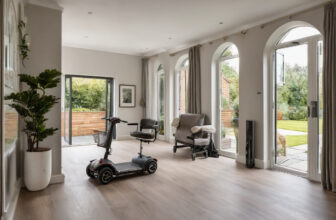
Give the scooter a home of its own: a dedicated spot near an outlet where you can park and charge it without blocking a walkway. An entryway corner, a mudroom, a garage bay, or a covered porch all work, as long as the charger reaches a proper wall outlet and the cord does not cross a path where someone could trip. If it lives outdoors or in an unheated space, keep it covered from rain and cold, and check your model’s guidance on charging in low temperatures.
In living areas, think about turning space. You want enough clear floor in daily rooms, beside the bed, near the kitchen counter, by a favorite chair, and at the bathroom doorway, to pivot without a many-point turn. Pulling furniture back even a little makes everyday movement far less frustrating.

S1 Powered Mobility Scooter with 25-Mile Range
All-terrain folding design with height-adjustable seat and extended battery life. Perfect for indoor/outdoor versatility.
Rating: ⭐⭐⭐⭐⭐ 4.5/5 | Price: see current price on Amazon
Cons: Folding mechanism may require regular maintenance, moderate weight capacity
Buy on AmazonOutdoor access and when to bring in a professional
Extend the same thinking outside: a smooth, firm path from the door to the driveway, mailbox, or garden; a level, non-slip patio surface; and a way to reach the car or sidewalk without a curb catching you out. Compacted paving, concrete, or firm decking beats gravel and soft grass for rolling.
Many of these changes you can do yourself. For the bigger decisions, such as the right ramp slope and length, exact doorway widths, or a bathroom layout, an occupational therapist can assess your specific scooter, home, and needs and recommend measurements that fit, and a qualified contractor can build to them. Professional input is especially worthwhile before any permanent construction, so you get it right the first time.

Folding Mobility Scooter for Seniors – Purple
Compact 4-wheel design with medical-grade construction. Perfect for tight indoor spaces with easy folding mechanism.
Rating: ⭐⭐⭐⭐⭐ 4.5/5 | Price: see current price on Amazon
Cons: Limited outdoor capability, smaller battery compared to full-size models
Buy on AmazonHome modification FAQ
Do I need to make permanent changes if I rent?
No. Many effective solutions are removable: portable and modular ramps, loose-lay threshold ramps, offset hinges, corner guards, and simply rearranging furniture. These improve access without altering the property. For anything permanent, such as widening a doorway, ask your landlord first, ideally in writing.
How do I know what ramp slope or doorway width I actually need?
It depends on your specific scooter and your home. Rather than guessing, ask an occupational therapist to assess your setup and advise on the right measurements. Getting the slope gentle enough and the openings wide enough the first time saves cost and rework later.
Where should I start if the budget is tight?
Begin with the free and low-cost wins: clear the main path of rugs and clutter, rearrange furniture to open turning space, add a loose threshold ramp where a lip catches the wheels, and set up a safe parking-and-charging spot near an outlet. Save larger projects like permanent ramps or doorway widening for when you can plan them properly.
Other models worth comparing: a portable folding 4-wheel scooter.