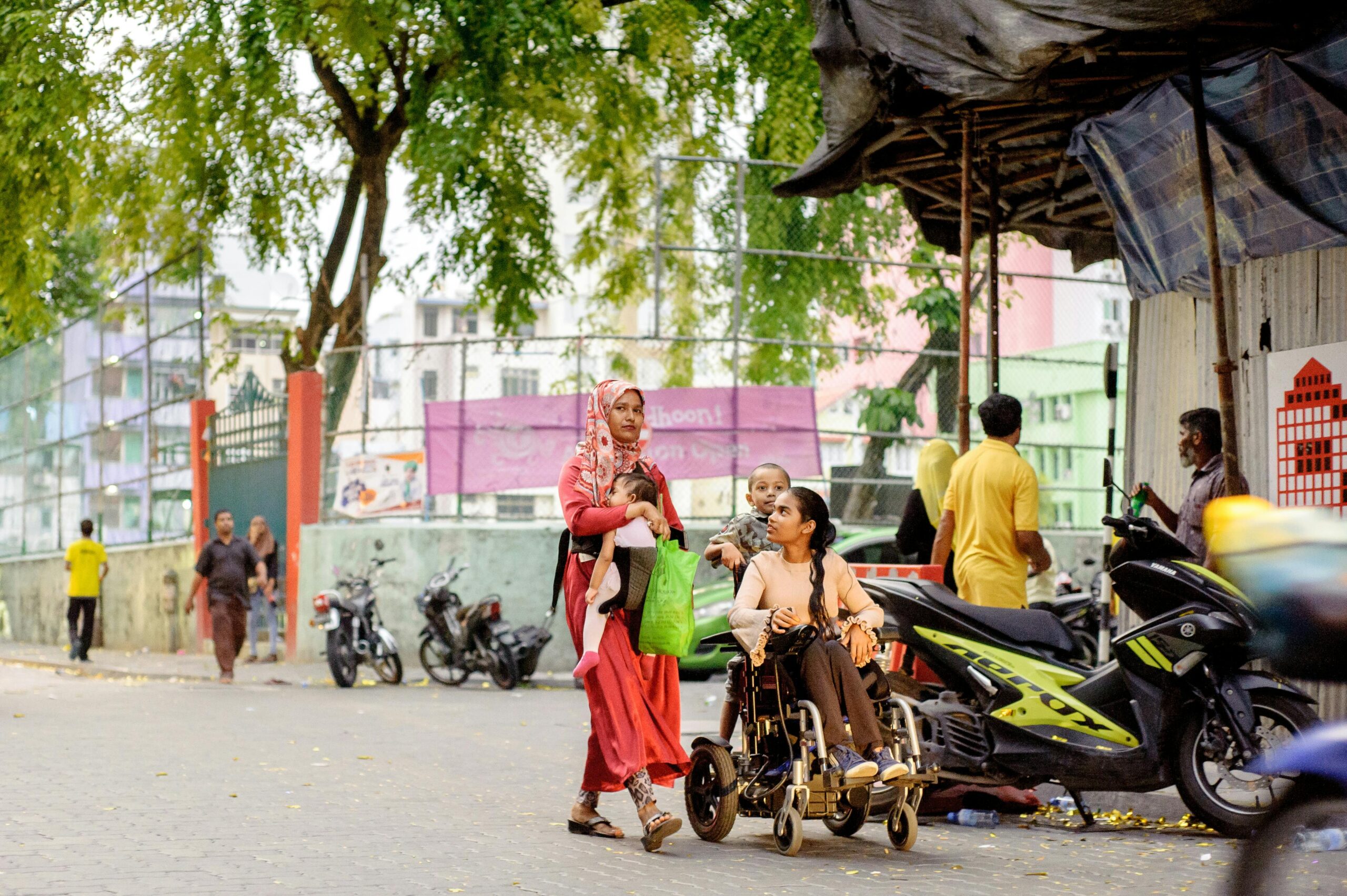
Picture this: You’ve just received your first mobility scooter, and while it promises newfound independence, you’re wrestling with a knot of anxiety about venturing into public spaces. Will people stare? Will you feel confident navigating busy sidewalks? You’re not alone in these concerns. According to recent disability advocacy research, over 73% of new mobility device users report feeling self-conscious during their first months of use.
The reality is that mobility scooters aren’t just transportation devices – they’re your gateway to reclaiming an active social life. But the difference between hiding at home and embracing community engagement often comes down to understanding how to build genuine confidence, navigate social situations gracefully, and tap into the growing disability pride movement. This guide will transform your relationship with your mobility scooter from hesitant necessity to empowering lifestyle choice, giving you practical strategies that work in real-world situations across the USA and Canada.
This Photo was taken by Asad Photo Maldives.
Breaking the invisible barriers: why confidence starts before you leave home
The journey to social confidence with your mobility scooter begins in your own mindset, not in public spaces. Research from the National Institute on Disability, Independent Living, and Rehabilitation Research shows that users who develop positive self-talk patterns and realistic expectations experience 65% fewer anxiety episodes during public outings.
Your first step involves reframing how you view your mobility scooter. Instead of seeing it as a sign of limitation, recognize it as adaptive technology that expands your possibilities. Professional occupational therapists consistently emphasize that mobility devices are tools of empowerment, similar to how glasses correct vision or hearing aids enhance sound.
Pre-outing preparation strategies
Start with small, controlled environments before tackling busy public spaces. Visit your local grocery store during off-peak hours, practice maneuvering in wide aisles, and gradually build your comfort level. This progressive approach allows you to develop muscle memory for common situations while building confidence incrementally.
Consider practicing responses to common questions or comments you might encounter. Having prepared, friendly answers ready reduces anxiety and helps you feel more in control. Simple responses like “It helps me get around more easily” or “It gives me the freedom to stay active” work well for most situations.
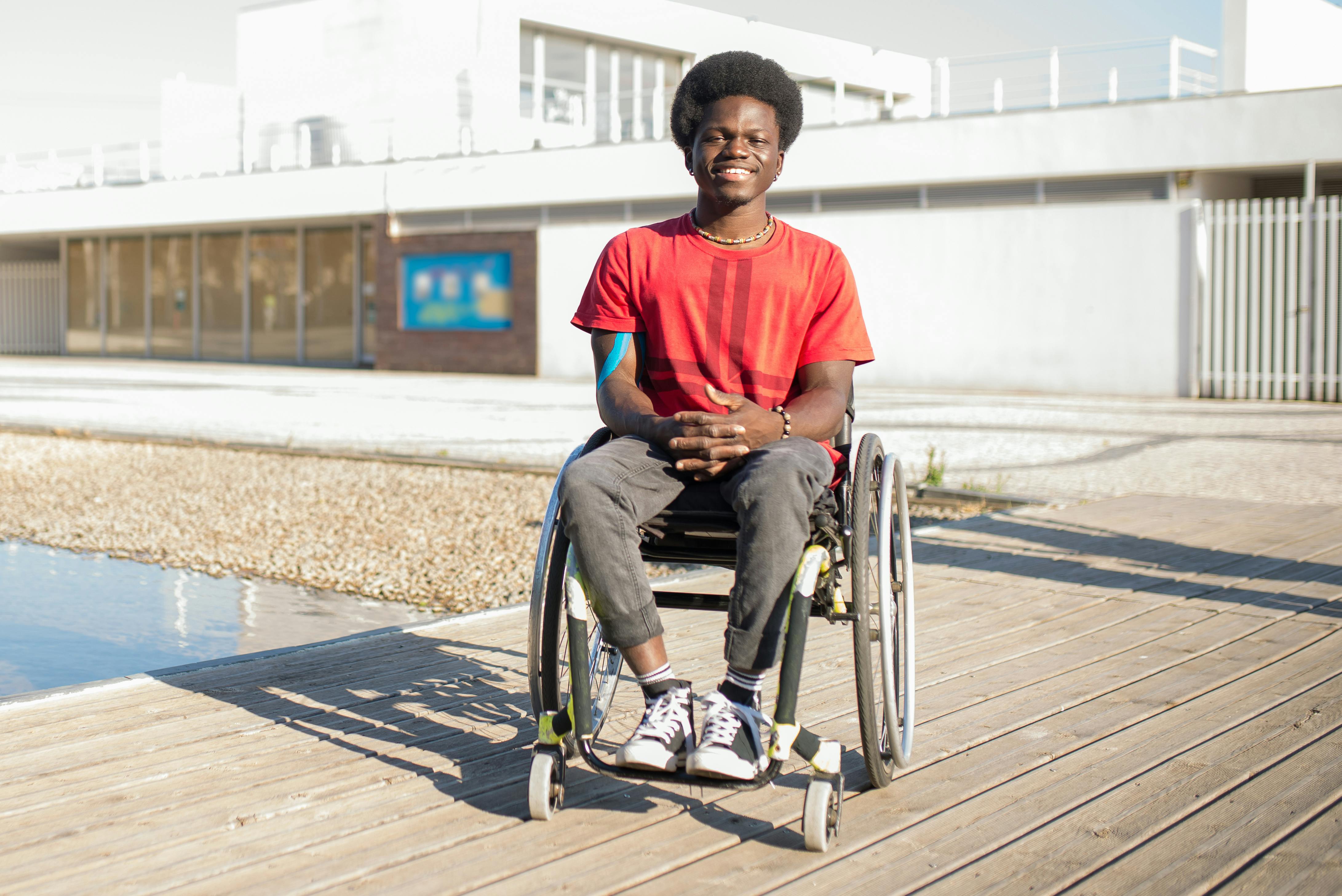
This Photo was taken by Kampus Production.
Understanding your equipment builds confidence
Familiarity with your scooter’s features directly impacts your social confidence. When you know exactly how your scooter handles, its turning radius, and its capabilities, you move through spaces with natural assurance that others pick up on.
Spend time learning your scooter’s specifications and practicing in safe environments. Understanding details like battery life, speed settings, and maneuverability helps you plan outings more effectively. For those considering different models, our compact foldable mobility scooter guide offers insights into portable options that work well in various social settings.

Mobility Scooter for Adults, Seniors – 37.5 lbs Ultra Lightweight
⭐ 4.8/5 | $1,899.00
Perfect for building social confidence with its lightweight design and airport approval. Easy folding mechanism makes social outings stress-free. Cons: Higher price point for budget-conscious buyers.
Dismantling outdated assumptions: the reality of public perception in 2025
Public attitudes toward mobility devices have shifted dramatically over the past decade. A 2024 survey by the Disability Rights Education & Defense Fund found that 82% of Americans view mobility scooter users positively, recognizing them as individuals maintaining active lifestyles rather than people defined by disability.
This change stems partly from increased disability awareness campaigns and the growing visibility of people using assistive devices in media and public life. Social media has played a significant role, with disability advocates sharing their experiences and normalizing adaptive equipment use.
Generational differences in acceptance
Younger generations show particularly high levels of acceptance and understanding. Data from accessibility research organizations indicates that people under 40 are 90% more likely to offer assistance appropriately and less likely to make assumptions about mobility device users’ capabilities.
| Age Group | Positive Perception Rate | Likely to Offer Appropriate Help | Understanding of Independence |
|---|---|---|---|
| 18-30 | 89% | 76% | 92% |
| 31-50 | 85% | 71% | 88% |
| 51-65 | 79% | 68% | 81% |
| 65+ | 77% | 83% | 74% |

This Photo was taken by Tnarg.
Regional variations across North America
Urban areas in both the USA and Canada show higher acceptance rates and better infrastructure for mobility device users. Cities like Toronto, Vancouver, Seattle, and Portland have invested heavily in accessibility improvements, creating more welcoming environments for mobility scooter users.
Rural areas, while sometimes lacking infrastructure, often demonstrate stronger community support networks. Small-town residents frequently show more personal interest in helping neighbors and visitors navigate local challenges.
Your confidence toolkit: practical strategies that work
Building genuine confidence requires specific, actionable strategies rather than generic advice. These techniques have been tested by occupational therapists, disability advocates, and thousands of mobility scooter users across North America.
The power posture technique
Your physical posture while riding significantly impacts how others perceive you and how you feel about yourself. Sit upright, keep your shoulders back, and maintain eye contact with people you interact with. This confident posture signals competence and approachability.
Practice what therapists call “purposeful movement” – moving with clear intention rather than hesitating or apologizing for your presence. When you navigate spaces confidently, others respond positively to your self-assurance.
Strategic route planning
Confidence grows when you eliminate uncertainty. Before heading out, research your destination’s accessibility features, parking availability, and layout. Many establishments now provide detailed accessibility information on their websites or through apps like AccessNow.
Plan primary and backup routes to your destination. Knowing you have options reduces anxiety and helps you feel more in control. Consider factors like sidewalk conditions, elevator availability, and restroom accessibility when planning your route.
This Photo was taken by JP Miller.
The conversation starter approach
Taking control of social interactions often proves more comfortable than waiting for others to approach you. Simple, friendly greetings or comments about shared experiences (like weather, local events, or common interests) establish you as a person first, before people notice your mobility aid.
Many experienced users find that initiating conversations leads to more positive interactions. When you control the conversation’s direction, you’re less likely to encounter awkward questions or uncomfortable silences.

Metro Electric Mobility Scooter – 300 lbs Max Weight
⭐ New Model | $799.99
Folding design and bright headlight make social outings safer and more convenient. 4-wheel stability builds user confidence in various environments. Cons: No established user reviews yet for this newer model.
Navigating common social scenarios with grace
Real-world social situations require specific strategies. These scenarios represent the most common challenges new mobility scooter users face, along with proven approaches for handling them confidently.
Restaurant and dining experiences
Restaurants present unique challenges, from narrow aisles to awkward table placement. Call ahead to discuss seating arrangements and accessibility features. Most establishments want to accommodate you properly and appreciate advance notice.
When arriving, speak directly with the host about your needs. Many restaurants can quickly rearrange seating to provide comfortable access. Don’t hesitate to request a specific table location that works better for your mobility scooter.
For those who frequently dine out, consider models with better maneuverability in tight spaces. Our guide on mobility scooter regulations and traffic laws also covers restaurant accessibility requirements under ADA compliance.
Shopping mall navigation
Shopping malls offer excellent practice environments for building confidence. Wide corridors, accessible restrooms, and helpful staff create supportive settings for longer outings. Start with off-peak hours to practice navigation without crowds.
Many malls now provide charging stations for mobility devices near customer service areas. Plan your route to include rest stops and charging opportunities during longer shopping trips.

This Photo was taken by Jace Oner.
Public transportation confidence
Public transit systems across the USA and Canada have made significant accessibility improvements. Buses equipped with ramps and designated mobility device areas make transportation more feasible than ever before.
Contact your local transit authority about their mobility device policies and training programs. Many offer orientation sessions for new users, teaching proper boarding procedures and safety protocols.
Practice boarding procedures during non-peak hours when there’s less pressure and more time for comfortable maneuvering. Transit operators receive training to assist mobility device users and generally provide patient, helpful support.
Building your community network: finding your tribe
Community connection transforms the mobility scooter experience from individual challenge to shared journey. Research indicates that users with strong community connections report 78% higher satisfaction levels and greater confidence in public settings.
Local disability advocacy groups
Most cities have disability advocacy organizations that welcome new members and offer support groups specifically for mobility device users. These groups provide practical advice, emotional support, and social opportunities with people who understand your experiences.
Organizations like the National MS Society, Arthritis Foundation, and local independent living centers often host social events, educational workshops, and group outings specifically designed for mobility device users.
Online communities and resources
Digital communities offer 24/7 support and connection with users worldwide. Facebook groups, Reddit communities, and specialized forums provide spaces to ask questions, share experiences, and celebrate successes without judgment.
Popular online communities include the Mobility Scooter Users Group, Disability Pride Network, and condition-specific support groups. These platforms offer practical advice, product recommendations, and emotional support from experienced users.

This Photo was taken by Furkan Taş.
Workplace integration support
Returning to work with a mobility scooter requires preparation and sometimes accommodation requests. The Americans with Disabilities Act and Canadian Human Rights Act provide strong protections for workers using mobility devices.
Work with your employer’s human resources department to discuss necessary accommodations like accessible parking, desk modifications, or route adjustments. Most employers are willing to make reasonable accommodations, especially when presented with clear, specific requests.
For comprehensive workplace guidance, our workplace mobility scooter accommodation guide covers legal rights, practical strategies, and employer communication tips.

Powered Mobility Scooter – 23MI Extra Long Range
⭐ 4.9/5 | $999.00
Extended range perfect for all-day community activities and social events. Dual batteries ensure confidence during longer outings. Cons: Heavier weight may limit portability for some users.
Embracing disability pride: from acceptance to celebration
The disability pride movement has gained tremendous momentum, shifting conversations from limitation-focused to strength-based perspectives. This movement recognizes disability as a natural part of human diversity, worthy of pride rather than shame or pity.
Understanding disability pride principles
Disability pride doesn’t mean celebrating the challenges disability can bring. Instead, it celebrates the unique perspectives, resilience, and creativity that often develop through navigating the world differently. It recognizes adaptive equipment like mobility scooters as innovations that expand possibilities.
This mindset shift proves powerful for new users. Instead of viewing your mobility scooter as evidence of loss, disability pride encourages seeing it as proof of your resourcefulness and commitment to maintaining an active life.
Personalizing your mobility experience
Many users find empowerment through personalizing their mobility scooters. Custom accessories, decorative elements, or practical additions that reflect personality help transform generic medical equipment into personalized transportation that represents who you are.
Consider additions like cup holders, phone mounts, decorative flags, or custom seat covers. These modifications make your scooter feel more like personal transportation and less like medical equipment.

This Photo was taken by Nguyễn Đại Phát.
Advocacy and education opportunities
Many mobility scooter users discover purpose in educating others about accessibility and disability issues. This doesn’t require formal advocacy work – simply living openly and confidently helps normalize mobility device use in your community.
When you encounter accessibility barriers, consider speaking up constructively. Many business owners want to be inclusive but lack awareness of specific challenges. Your polite feedback often leads to positive changes that benefit the entire disability community.
Seasonal considerations and year-round confidence
Weather variations across the USA and Canada present unique challenges for mobility scooter users. Seasonal preparation ensures consistent confidence regardless of weather conditions.
Winter weather strategies
Cold weather affects battery performance and creates hazardous road conditions. Winter preparation includes battery care, appropriate clothing, and route modifications to avoid icy areas. Many users develop effective winter strategies that maintain their social engagement throughout cold months.
Consider winter accessories like weatherproof covers, extra blankets, and battery warmers. Some users keep backup batteries indoors to ensure reliable performance during extreme cold. For comprehensive winter guidance, our winter mobility scooter operation guide covers cold weather performance and safety strategies.
Summer heat management
Hot weather brings different challenges, from battery overheating to user comfort during extended outdoor periods. Summer strategies focus on timing outings during cooler hours, using sun protection, and understanding how heat affects your equipment.
Plan indoor rest stops during longer summer outings, and consider accessories like umbrellas or canopies for sun protection. Understanding your scooter’s heat tolerance helps prevent unexpected breakdowns during social activities. Our summer heat performance guide provides detailed strategies for hot weather operation.

This Photo was taken by Gustavo Fring.

15-45 Miles Ecomobi MS02 4 Wheels Mobility Scooter
⭐ 4.7/5 | $649.99
Impressive range variation and rotating seat enhance social interaction capabilities. Dual baskets provide practical storage for community activities. Cons: Complex battery options may confuse some users.
Travel and vacation confidence building
Traveling with a mobility scooter opens up vacation possibilities that many users initially think are impossible. With proper planning and the right equipment, you can maintain your social confidence in unfamiliar destinations.
Air travel considerations
Airlines have specific policies for mobility device transport, and understanding these requirements prevents travel day stress. Most airlines accommodate mobility scooters as medical equipment, but advance notification and proper documentation ensure smooth experiences.
Research airline policies, airport accessibility features, and destination accommodations before booking. Many airports now provide enhanced assistance programs for passengers using mobility devices. For detailed travel guidance, our transportation and travel guide covers various travel scenarios and requirements.
Accommodation selection strategies
Choose accommodations based on accessibility features rather than just price or location. Read recent reviews from other mobility device users, and call hotels directly to discuss specific needs. Many establishments offer accessible rooms but may not adequately describe features online.
Consider vacation rentals that provide detailed accessibility information, including doorway widths, bathroom features, and parking availability. Platforms like Airbnb now offer accessibility filters to help find suitable accommodations.

This Photo was taken by Gustavo Fring.
Handling difficult situations with dignity
Despite improved public attitudes, you may occasionally encounter insensitive comments, accessibility barriers, or uncomfortable situations. Having strategies for these moments protects your confidence and helps you maintain dignity in challenging circumstances.
Responding to inappropriate questions
Some people ask personal questions about your disability or make assumptions about your capabilities. Prepare polite but firm responses that set boundaries while maintaining civility. Phrases like “I prefer not to discuss personal medical information” or “My scooter helps me stay active” work well.
Remember that you’re not obligated to educate every person you encounter. While some users enjoy advocacy opportunities, protecting your energy and emotional wellbeing takes priority.
Dealing with accessibility barriers
When you encounter inaccessible buildings, blocked ramps, or other barriers, address them calmly but assertively. Most accessibility violations result from oversight rather than intentional discrimination, and business owners often appreciate polite feedback.
Document significant accessibility violations with photos and contact information. Reporting barriers to local disability advocates or ADA compliance organizations helps improve accessibility for everyone.