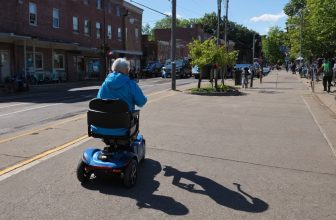
A mobility scooter restores independence by closing the gap between what your legs comfortably manage and how far you want to go, so errands, gatherings, and outings stop depending on someone else’s schedule. It suits people who can sit upright, steer, and still walk short distances. It does not support standing balance, and anyone who needs that, or needs specialized seating and pressure relief, is usually better served by a rollator or a powered wheelchair.
A mobility scooter is not about giving something up. For many people, it is the thing that gives daily life back, turning trips that once felt exhausting or impossible into something you can do on your own, when you want to.
Running Errands on Your Own Terms
When walking any real distance becomes painful or unsteady, ordinary errands start to shrink. The pharmacy, the grocery store, the bank, a favorite coffee shop, all of it can begin to depend on whether someone is free to drive you or walk beside you. A scooter changes that math. You can decide in the morning that you need a few things and simply go, without planning around anyone else’s schedule.
That freedom is practical, but it is also personal. Picking out your own produce, choosing your own birthday card, moving through a store at your own pace, these small acts of choice add up to a real sense of dignity. You are the one making decisions about your day, not waiting for them to be made for you.
Staying Social and Connected
Isolation often creeps in quietly. When getting to a friend’s house, a place of worship, a family gathering, or a community center takes too much effort, invitations get declined and the world gets smaller. A scooter helps keep those connections alive. You can join the walk in the park, browse the farmers market, sit courtside at a grandchild’s game, or meet friends for lunch and actually enjoy it instead of dreading the distance from the parking lot to the door.
Staying mobile also keeps you visible in your own community. Neighbors still see you out. You still run into people you know. Those ordinary encounters are a big part of feeling like yourself, and they are easy to lose when leaving the house feels like too much.
Spending Energy Where It Counts
For anyone living with chronic pain, heart or lung conditions, arthritis, or the fatigue that comes with many illnesses, energy is a limited budget. If simply walking through a large store uses up most of what you have, there is little left for the things you actually came to do, or for the rest of the day.
A scooter lets you spend that energy on purpose. Instead of arriving at a family dinner already worn out, you arrive ready to talk and take part. Instead of choosing between shopping and cooking, you may find you can do both. Conserving strength is not laziness. It is a smart way to protect the parts of life that matter most to you.
Depending Less on Others, Without Standing Alone
Needing help with everyday movement can wear on relationships, even loving ones. Constantly asking a spouse, an adult child, or a friend to drive, escort, or wait can leave you feeling like a burden, and it can quietly strain the people you rely on. A scooter eases that pressure in both directions.
When you can handle more on your own, the time you spend with loved ones goes back to being time together rather than a series of favors. You are not cutting anyone out. You are simply carrying more of your own weight, which tends to make the support you do accept feel lighter and more freely given. That balance is where a lot of quiet confidence comes from.
When a Scooter Fits, and When It Doesn’t
A scooter is a strong choice when you can walk short distances but longer ones cause pain, fatigue, or safety concerns, and when you have the trunk space, ramp, or storage to keep one at home. It works best for people who can sit upright comfortably, steer, and operate simple controls.
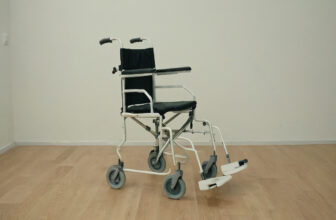
It is not the right tool for everyone. If you need support with balance while standing, a scooter will not provide that, and a rollator or a powered wheelchair may suit you better. People who cannot sit safely on their own, or who need pressure relief and specialized seating, usually have better options. Very tight indoor spaces can also be hard for a scooter to manage. The honest answer is that a scooter is one aid among several, and the right fit depends on your body, your home, and where you want to go. A physical or occupational therapist can help you sort through the choices without pressure.
Independence FAQ
Will using a scooter make me weaker over time?
Used sensibly, it usually does the opposite. By saving your strength for the movement that matters, many people stay more active overall and keep doing the walking, standing, and daily tasks they can manage. If you have concerns about staying conditioned, ask your doctor or therapist how to combine scooter use with the activity that is safe for you.
Is a scooter only for people who can’t walk at all?
No. Most scooter users can walk, just not far or not without pain. A scooter is meant to close the gap between what your legs can comfortably do and how far you want to go, so it often suits people who are still on their feet every day.
How do I know if I’m ready for one?
A good sign is when the effort of getting somewhere starts shaping your choices, when you skip outings, cut trips short, or avoid places because of the walking involved. If that sounds familiar, it may be worth talking with a healthcare provider about whether a scooter could give you back some of what you have been missing.