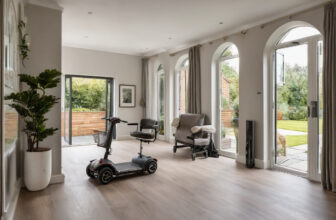
The future of mobility scooters looks like steady refinement rather than one breakthrough. Battery packs keep getting lighter for the same range and holding their charge better across years. The connected features that earn their place work quietly: location tracking, charge level, service reminders. And the gap that used to force a choice between a supportive seat and a liftable frame is the one designers are actively closing.
Mobility scooters have quietly become one of the most dependable tools for getting around, and the next chapter looks less like a single big leap and more like a lot of steady, sensible improvements. Here is where the technology seems to be heading, and what those changes could mean for the people who rely on it every day.
Batteries that go farther and last longer
The battery is the heart of any mobility scooter, and it is the area where riders tend to feel improvements first. As battery technology continues to mature across the wider world of electric vehicles and consumer devices, those gains generally trickle down to smaller machines like scooters. In practical terms, packs are likely to keep getting lighter for the same amount of range, hold their charge better over the years, and recover more quickly from being drained.
For a rider, that could mean fewer worries about running low on a longer outing, less anxiety about whether a battery will still be strong a few winters from now, and lighter packs that are easier to lift or swap. None of this happens overnight, but the direction is steady: more usable distance and more reliable everyday performance, without the machine getting heavier or harder to handle.
Smarter features that quietly help
Scooters are slowly gaining the kind of connected features that phones and cars already have, and the most useful ones tend to work in the background rather than demanding attention. Built-in location tracking can make it easier to find a scooter if it wanders or goes missing, and simple companion apps may show remaining charge, service reminders, or a gentle heads-up when something needs a look.
Safety technology is another area to watch. Better lighting, clearer indicators, and sensors that help with stability or warn about obstacles are the sort of additions that make sense for a machine used on sidewalks and in busy indoor spaces. The goal with all of this is not to turn a scooter into a gadget, but to remove small daily uncertainties so a rider can simply get where they are going.
More comfortable and more portable at the same time
Comfort and portability used to pull in opposite directions: a plush, supportive seat often meant a heavier machine, while a light, foldable model often meant a firmer ride. Designers are working to narrow that gap. As materials get stronger for their weight and frames get smarter, it is reasonable to expect scooters that feel supportive to sit on yet are still manageable to fold, lift, or break down for a car trunk.
Small design details matter here too. Easier folding mechanisms, better-cushioned seating, adjustable armrests and tillers, and thoughtful storage can all make a scooter fit a person rather than the other way around. The likely trend is toward machines that travel well without asking the rider to give up a comfortable seat to get there.
Accessibility that meets more people where they are
Perhaps the most meaningful direction is simply making scooters easier for more people to use. That covers controls that are gentler on hands and wrists, clearer displays that are easier to read at a glance, and setups that can be adjusted to suit different body sizes and abilities. It also includes the practical side of ownership: clearer instructions, simpler maintenance, and support that does not require technical know-how.
Across the United States and Canada, this focus on accessibility tends to broaden who a scooter can serve. When a machine is easier to understand, adjust, and maintain, it opens up independence to people who might once have found the whole category intimidating or ill-fitting.
What it could mean for riders
Put together, these trends point toward scooters that ask less of the rider and give back more freedom. Longer, more dependable range can turn a short trip into a genuine day out. Smarter, quieter features can take the guesswork out of charging and upkeep. Lighter, more comfortable designs can make travel and everyday errands feel routine rather than daunting.
It is worth keeping expectations grounded. Improvements in this space usually arrive gradually, and what suits one rider may not suit another. The encouraging part is the overall direction: steadier, more thoughtful design that treats independence as the point. For anyone weighing a scooter now or later, that is a reassuring trend to keep an eye on.
FAQ
Will future mobility scooters have much longer range?
The general trend points toward better range over time, as battery technology keeps improving across many kinds of electric devices. Exact figures depend on the model and how it is used, but riders can reasonably expect steady gains in usable distance and battery longevity rather than sudden jumps.
Are smart features like apps and tracking actually useful?
They can be, when they solve real problems. Location tracking helps if a scooter is misplaced, and a simple app that shows charge level or flags maintenance can save hassle. The most helpful features tend to work quietly in the background, supporting the rider instead of adding complication.
Will scooters become easier to transport and store?
That is a clear focus for designers. As materials get lighter and folding mechanisms get simpler, it is reasonable to expect models that are both comfortable to ride and easier to lift, fold, or fit in a vehicle, though the balance will always vary from one scooter to the next.