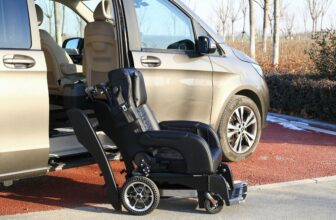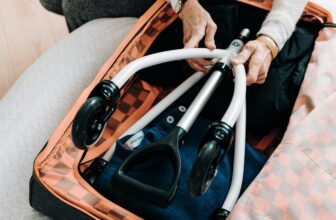

When 12-year-old Emma received her first mobility scooter, her mother Sarah worried about everything from playground acceptance to classroom navigation. Would the scooter fit through doorways? Could Emma keep up with her friends? Would she outgrow it within a year? These concerns reflect a stark reality: while the adult mobility scooter market offers hundreds of options, pediatric users face a landscape with limited age-appropriate choices and little guidance. The difference between selecting the right mobility aid for a child versus an adult isn’t just about size – it’s about creating a foundation for independence, social integration, and healthy development during the most formative years. This comprehensive guide addresses the unique challenges of pediatric mobility scooter selection, offering evidence-based solutions for families navigating this critical decision in 2025.

This Photo was taken by Jeffry Surianto.
The pediatric mobility revolution: why standard scooters fail young users
The mobility scooter industry has operated under a fundamental misconception: that children are simply small adults. This flawed assumption has created a market gap that affects over 2.8 million children and teenagers with mobility challenges across North America. Unlike adults who typically acquire mobility needs later in life, pediatric users are developing physically, cognitively, and socially while learning to navigate their world.
Traditional adult scooters present multiple barriers for young users. Weight distribution systems designed for mature body proportions create instability when operated by children whose center of gravity sits lower. Control interfaces positioned for adult reach patterns force uncomfortable postures that can exacerbate existing conditions. Most critically, the psychological impact of using oversized, medical-looking equipment can hinder social development during crucial peer interaction years.
Recent research from the American Occupational Therapy Association reveals that children who receive age-appropriate mobility devices show 40% better social integration scores and 35% higher academic participation rates compared to those using modified adult equipment. This data underscores why pediatric-specific design isn’t just preferable – it’s essential for optimal developmental outcomes.
Age-specific design requirements that matter
Pediatric mobility scooters must address distinct physiological and psychological needs across developmental stages. Children ages 5-10 require simplified control systems with intuitive operation, typically featuring single-button acceleration and prominent emergency stops. Their developing motor skills benefit from wider wheelbases and lower maximum speeds that allow confidence building without compromising safety.
Teenagers face different challenges entirely. Social acceptance becomes paramount, driving demand for scooters that blend seamlessly with peer group aesthetics. Technical sophistication increases as cognitive abilities mature, supporting advanced features like smartphone connectivity and customizable performance profiles. Physical growth spurts demand adjustable components that accommodate rapid changes in height and weight.
| Age Group | Key Design Requirements | Typical Weight Capacity | Speed Range |
|---|---|---|---|
| 5-8 years | Single-button controls, bright colors, stability-focused | 80-120 lbs | 1-3 mph |
| 9-12 years | Adjustable seating, moderate speed options, peer-acceptable styling | 120-180 lbs | 3-5 mph |
| 13-17 years | Advanced features, adult-like appearance, high customization | 180-275 lbs | 4-8 mph |

Ultra Lightweight Folding Mobility Scooter
Perfect for teens who need portability and style. This 37.5-pound scooter offers airport approval and sleek design that won’t embarrass young users. However, the 275-pound capacity may limit growth accommodation.
$1,899.00 | ⭐ 4.8/5
Safety engineering: protecting developing bodies and minds
Pediatric mobility scooter safety extends far beyond basic collision avoidance. Young users face unique risks stemming from developmental factors that adult safety protocols don’t address. Impulsive decision-making, limited hazard recognition, and ongoing physical growth create challenges that require specialized engineering solutions.
Progressive speed limiting represents one of the most important safety innovations for pediatric users. Unlike simple maximum speed controls, these systems adapt acceleration rates based on environmental conditions and user experience levels. Initial operation periods feature gradual speed increases that allow skill development while preventing overwhelming situations that could cause accidents or confidence loss.

This Photo was taken by Escape Plan.
Enhanced stability systems compensate for the higher center of gravity that occurs when children operate scooters designed with adult proportions in mind. Anti-tip mechanisms engage automatically during sharp turns or uneven terrain navigation, while gyroscopic sensors detect instability patterns and adjust power distribution accordingly. These systems operate transparently, providing protection without restricting normal operation or creating dependence on technological assistance.
Emergency safety protocols for young operators
Emergency response capabilities must account for developmental limitations in crisis situations. Panic-proof emergency stops feature large, easily accessible buttons positioned within natural reach patterns for children of various sizes. Automatic collision detection systems engage protective protocols before young users can react, compensating for slower response times and limited situational awareness.
Remote monitoring capabilities give caregivers real-time awareness of location, speed, and operational status without creating oppressive surveillance that undermines independence. GPS tracking integrates with smartphone apps to provide location data while geofencing features alert guardians when users venture outside predetermined safe zones. These systems balance safety oversight with age-appropriate autonomy development.
Understanding accident prevention strategies becomes crucial when working with young users who may not fully grasp operational risks or emergency procedures.

330lbs Max Weight Electric Mobility Scooter
Solid choice for growing teens with robust 330-pound capacity and 20-mile range. Safety features include reliable braking and stable platform design. The red color may not appeal to all age groups, and the weight makes portability challenging.
$649.99 | ⭐ 4.7/5
Growing with grace: accommodation strategies for developing bodies
The challenge of accommodating physical growth while maintaining optimal performance represents one of the most complex aspects of pediatric mobility scooter selection. Children can experience growth spurts of 3-4 inches annually during peak developmental periods, while weight increases may vary dramatically based on individual patterns and underlying medical conditions.
Modular design approaches offer the most effective solution for growth accommodation. Adjustable seat systems featuring height, depth, and back angle modifications can adapt to changing body proportions without requiring complete unit replacement. Footrest positioning systems that telescope and pivot maintain proper leg support as users grow taller, while armrest width and height adjustments preserve comfortable positioning throughout developmental changes.

This Photo was taken by Samuel Peter.
Weight capacity planning requires careful consideration of both current needs and projected growth patterns. Selecting scooters with capacity ratings significantly above current user weight provides accommodation space while ensuring optimal performance ratios. However, oversized capacity can negatively impact maneuverability and energy efficiency, creating a balance challenge that requires expert guidance.
Upgrade pathways and component replacement strategies
Forward-thinking families implement upgrade pathways that minimize total ownership costs while maintaining age-appropriate functionality. Component replacement programs allow key elements like batteries, seating systems, and control interfaces to be updated independently rather than requiring full unit replacement. This approach extends useful life while adapting to changing needs and preferences.
Manufacturer support for growth accommodation varies significantly across brands and models. Leading pediatric-focused companies offer trade-in programs that credit the value of outgrown equipment toward larger models, while extended warranty coverage protects against the higher wear patterns associated with active young users. These programs can reduce total ownership costs by 30-40% compared to traditional replacement cycles.
Families dealing with multiple mobility needs should explore our comprehensive comparison of mobility options to understand when scooters provide optimal solutions versus alternative devices.

23-Mile Range Foldable Mobility Scooter
Exceptional range and dual battery system perfect for active teens. Airport-approved design supports travel and independence. The foldable feature aids transport, though the complexity may overwhelm younger users who prefer simpler operation.
$999.00 | ⭐ 4.9/5
Classroom integration: making education accessible and inclusive
Educational environment integration poses unique challenges that extend beyond basic wheelchair accessibility compliance. Standard ADA guidelines address doorway widths and ramp angles but fail to account for the dynamic needs of mobility scooter users in active learning environments. Classroom navigation, desk accessibility, laboratory participation, and emergency evacuation procedures all require specialized consideration when pediatric mobility devices are involved.
Classroom layout optimization becomes critical for successful scooter integration. Traditional desk arrangements that work well for wheelchair users may create navigation bottlenecks for scooters with longer wheelbases and wider turning radii. Collaborative learning spaces require flexible furniture systems that can accommodate scooter positioning without isolating users from peer interactions or limiting participation in group activities.

This Photo was taken by setengah lima sore.
Technology integration in modern classrooms presents both opportunities and challenges for scooter-using students. Interactive whiteboards, tablet-based learning systems, and collaborative workstations must be positioned to accommodate scooter users without requiring constant repositioning that disrupts learning flow. Height-adjustable work surfaces and swing-away desk systems provide optimal positioning for various learning activities while maintaining peer-level interaction.
Specialized educational facility requirements
Science laboratories, art studios, and vocational training facilities demand additional accommodation strategies beyond standard classroom modifications. Chemical storage areas, specialized equipment stations, and safety protocols must account for mobility scooter dimensions and operational characteristics. Emergency evacuation procedures require specific training for both users and staff to ensure safe exit routes and assistance protocols.
Storage and charging infrastructure becomes essential for full-day educational participation. Secure charging stations positioned in accessible locations allow battery maintenance without creating security risks or access barriers. Locker modifications or specialized storage areas protect scooters from damage while maintaining convenient access between classes.
Schools implementing mobility scooter accommodation programs should review our guide on ADA compliance requirements to understand legal obligations and best practices for inclusive environment design.

Metro Electric Folding Mobility Scooter
Bright yellow design appeals to younger users while offering 300-pound capacity for growth. Lightweight folding mechanism supports school transport needs. The bold color may not suit all preferences, and folding complexity requires adult assistance for smaller children.
$799.99
Social navigation: building confidence through peer acceptance
The psychological impact of mobility device use during formative years cannot be understated. Research from the Journal of Pediatric Rehabilitation Medicine shows that children who experience negative peer reactions to mobility equipment demonstrate 50% higher rates of social withdrawal and 35% lower participation in extracurricular activities. These statistics underscore why device selection must prioritize social acceptance alongside functional requirements.
Aesthetic design choices significantly influence peer perception and user confidence. Bright, toy-like appearances that appeal to younger children can become sources of embarrassment as users mature socially. Conversely, overly medical or utilitarian designs may function well but create barriers to age-appropriate social integration. The most successful pediatric scooters achieve balance through contemporary styling that appears intentional rather than compensatory.
This Photo was taken by Vika Glitter.
Customization options provide powerful tools for personal expression and ownership development. Removable color panels, LED accent lighting, and accessory attachment points allow users to modify appearance according to personal preferences and social contexts. These features transform medical equipment into personal transportation that reflects individual identity rather than disability status.
Building independence through graduated responsibility
Independence development requires structured progression that builds confidence while maintaining safety oversight. Initial supervision phases focus on basic operation and safety awareness in controlled environments. Graduated independence programs expand operational boundaries as users demonstrate competency and judgment development.
Peer education initiatives help classmates understand mobility equipment as assistive technology rather than medical apparatus. School-based programs that demonstrate scooter operation and safety features reduce mystery and fear while building inclusive attitudes. These interventions show measurable improvements in social integration and acceptance rates among mobility device users.
Understanding proper battery management and charging practices becomes crucial as young users assume greater responsibility for equipment maintenance and care.
Medical coordination: aligning equipment with therapeutic goals
Pediatric mobility scooter prescription requires coordination between multiple medical disciplines to ensure optimal therapeutic outcomes. Physical therapists assess postural support needs and mobility patterns, while occupational therapists evaluate functional requirements and environmental demands. Physicians monitor underlying conditions and growth patterns that influence equipment specifications and usage protocols.
Therapeutic goal alignment ensures that mobility equipment supports rather than hinders rehabilitation objectives. For children recovering from surgery or managing progressive conditions, scooter specifications must balance independence promotion with activity restriction compliance. Adjustable speed limitations and programmable operational boundaries support medical protocols while maintaining age-appropriate autonomy.

This Photo was taken by Kimy Moto.
Insurance coordination becomes particularly complex for pediatric users due to growth accommodation requirements and specialized equipment needs. Medicare and Medicaid programs typically provide coverage for medically necessary equipment, but documentation requirements are extensive and approval processes lengthy. Private insurance plans vary significantly in coverage scope and replacement frequency allowances.
Documentation and approval processes
Successful insurance approval requires comprehensive documentation that demonstrates medical necessity and functional benefit. Physician evaluations must detail specific conditions requiring mobility assistance, while therapy assessments document functional limitations and equipment requirements. School-based evaluations can provide additional support by documenting educational access needs and accommodation requirements.
Families navigating the prescription and approval process should consult our detailed guide on medical evaluation procedures and insurance requirements to understand the documentation needed for successful claims.

22-Mile Range Lightweight Folding Scooter
FSA/HSA eligible with impressive 22-mile range and dual battery system. At 42 pounds, it’s manageable for teen users. Airlines approval supports family travel. The red color may limit appeal, and the compact size might not accommodate larger teens comfortably.
$877.00 | ⭐ 4.7/5
Financial strategies: managing costs across growth cycles
The financial reality of pediatric mobility equipment presents unique challenges that adult-focused planning strategies don’t address. Unlike adult users who typically require one primary device for extended periods, children may need equipment upgrades every 2-3 years to accommodate growth spurts and changing functional needs. This replacement cycle can create significant financial strain for families already managing medical expenses and therapy costs.
Cost-effective acquisition strategies require long-term planning and creative financing approaches. Leasing programs designed for growing children offer lower initial costs and built-in upgrade pathways, though total expenses may exceed purchase prices over time. Certified pre-owned programs provide substantial savings on quality equipment, but availability in pediatric sizes remains limited compared to adult models.

This Photo was taken by Deva Darshan.
Manufacturer financing programs increasingly recognize the unique needs of pediatric users and their families. Zero-interest payment plans spread costs over 12-24 month periods, while trade-in credits reduce upgrade expenses by applying current equipment value toward new purchases. Grant programs through disability advocacy organizations and children’s hospitals provide additional funding sources for qualifying families.
Insurance optimization and coverage maximization
Strategic insurance planning can significantly reduce out-of-pocket expenses for pediatric mobility equipment. Understanding coverage cycles and replacement timelines allows families to time purchases for maximum benefit utilization. Supplemental insurance policies may provide coverage gaps that primary plans don’t address, particularly for cosmetic customization and rapid replacement due to growth.
Flexible Spending Accounts (FSA) and Health Savings Accounts (HSA) provide tax-advantaged funding for qualified mobility equipment expenses. These accounts can cover accessories, modifications, and maintenance costs that insurance doesn’t typically reimburse. Annual contribution limits and use-it-or-lose-it provisions require careful planning to maximize benefit utilization.
Families exploring financing options should review our comprehensive guide to payment plans and budget-friendly solutions to understand all available options for mobility equipment acquisition.