
When your mobility scooter becomes your smartphone’s best friend
Picture this: you’re navigating a busy shopping center when your mobility scooter’s GPS announces the nearest accessible entrance while simultaneously monitoring your heart rate and sending location updates to your family. This isn’t science fiction – it’s the reality of smart mobility technology in 2026. As traditional mobility scooters evolve into connected devices, tech-savvy users in the USA and Canada are discovering unprecedented levels of independence, safety, and convenience.
The integration gap between mobility devices and modern technology has frustrated users for years. You’ve likely experienced the disconnect between your smartphone’s capabilities and your scooter’s basic functionality. Smart technology integration changes everything, transforming your mobility scooter from simple transportation into a comprehensive mobility ecosystem that anticipates your needs and enhances your daily experience.

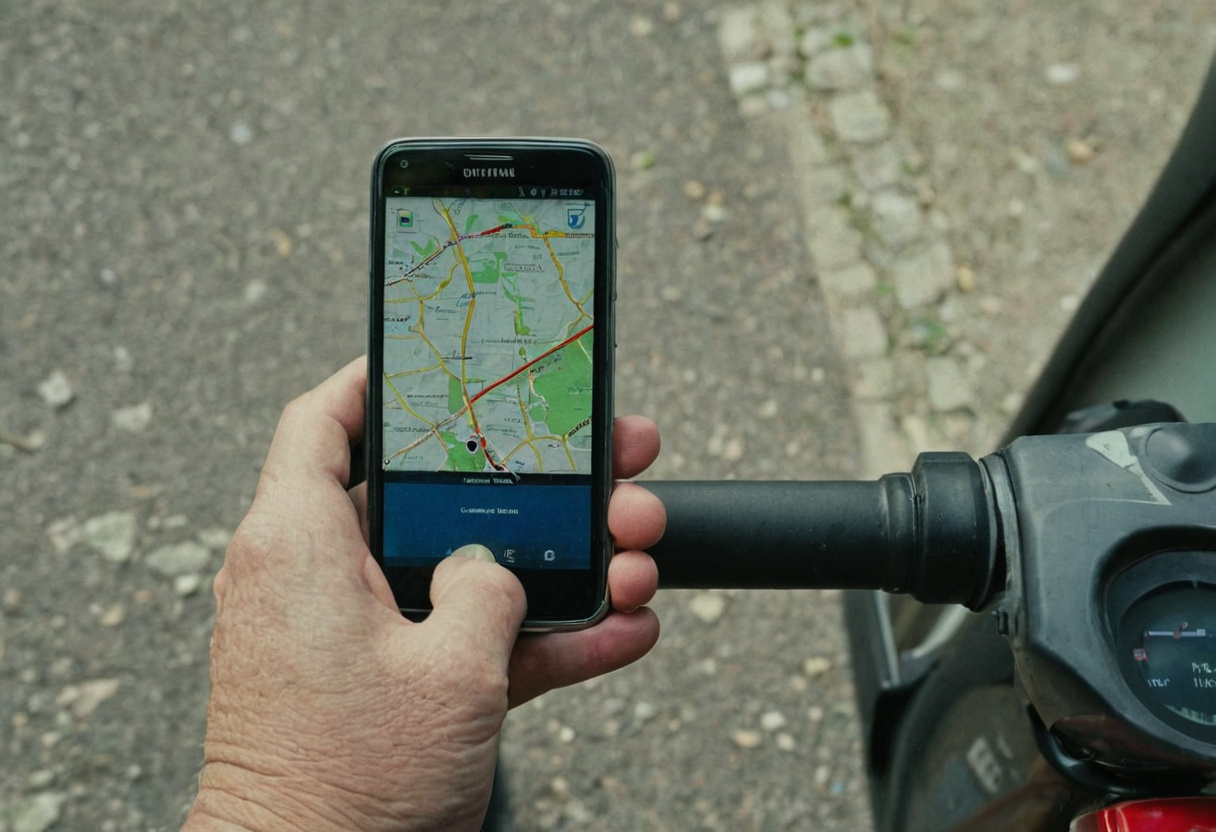
This Photo was taken by Mike Jones.
The connected mobility revolution: beyond basic transportation
Smart mobility scooters represent the convergence of assistive technology and Internet of Things (IoT) innovation. These devices integrate sensors, processors, and wireless connectivity to create an intelligent transportation platform that adapts to your lifestyle and preferences.
According to the World Health Organization’s Global Report on Assistive Technology, over 2.5 billion people worldwide need assistive products, with mobility devices being the most requested category. The smart technology integration addresses this growing demand by enhancing functionality while maintaining the core purpose of providing reliable mobility assistance.
Core components of smart mobility integration
Modern smart mobility scooters incorporate several key technological components that work together seamlessly:
- Central Processing Unit (CPU): Acts as the brain of your scooter, managing all connected features and processing data from various sensors
- Wireless Communication Modules: Enable Bluetooth, Wi-Fi, and cellular connectivity for real-time data transmission
- Sensor Arrays: Monitor environmental conditions, user vitals, and scooter performance metrics
- Battery Management Systems: Optimize power distribution between mobility functions and smart features
- User Interface Displays: Provide intuitive control panels for accessing smart features
The National Highway Traffic Safety Administration has recognized the potential of connected mobility devices in their 2025 accessibility technology framework, emphasizing the importance of safety-first integration approaches.

This Photo was taken by Artem Podrez.
Bluetooth connectivity: your scooter’s gateway to the digital world
Bluetooth Low Energy (BLE) technology serves as the foundation for smart mobility scooter connectivity. This wireless standard enables seamless pairing with smartphones, tablets, and other devices while maintaining minimal power consumption – crucial for preserving your scooter’s battery life.
Smartphone app integration capabilities
The primary interface for controlling your smart scooter’s features typically comes through a dedicated smartphone application. These apps provide comprehensive control over various functions:
- Remote diagnostics: Check battery levels, motor status, and maintenance alerts from anywhere
- Performance customization: Adjust speed settings, acceleration curves, and braking sensitivity
- Usage tracking: Monitor daily mileage, travel patterns, and battery consumption
- Emergency features: Trigger assistance calls and share location data with emergency contacts
Data from the Centers for Disease Control and Prevention indicates that 13.7% of adults in the United States have a mobility disability, highlighting the significant market for these technological improvements.
Multi-device ecosystem compatibility
Smart mobility scooters support connection with multiple devices simultaneously. You can pair your scooter with your smartphone, smartwatch, and tablet, creating a comprehensive mobility network. This multi-device approach ensures redundancy and provides flexibility in how you interact with your scooter’s smart features.
For those considering compact foldable models, Bluetooth connectivity becomes even more valuable as it eliminates the need for complex control panels while maintaining full feature access.
| Bluetooth Feature | Battery Impact | Range | Compatibility |
|---|---|---|---|
| Basic connectivity | 1-2% daily | 30 feet | iOS 12+, Android 8+ |
| Health monitoring sync | 3-4% daily | 30 feet | Health apps, wearables |
| GPS data sharing | 2-3% daily | 30 feet | Navigation apps |
| Emergency alerts | 1% daily | 30 feet | Emergency services apps |
Three Wheel Portable Mobility Scooter for Adults
Rating: 4.4/5
Aircraft-grade aluminum construction with 5 mph top speed and 13-mile range. Perfect for tech integration with smartphone connectivity options.
Cons: Limited weight capacity, basic tech features

This Photo was taken by Jakub Zerdzicki.
GPS navigation: intelligent routing for enhanced independence
GPS navigation systems in smart mobility scooters go far beyond basic turn-by-turn directions. These systems integrate accessibility data, real-time traffic conditions, and user preferences to create optimized routes that account for your specific mobility needs.
Accessibility-aware routing algorithms
Smart GPS systems for mobility scooters utilize specialized routing algorithms that prioritize accessibility features. These systems consider factors such as:
- Sidewalk availability and condition: Routes avoid areas with poor pavement or missing sidewalks
- Curb cut locations: Plans routes that include accessible crossing points
- Grade and elevation changes: Minimizes steep inclines that may challenge your scooter’s performance
- Accessible building entrances: Identifies ADA-compliant entrances at destinations
- Public transportation integration: Coordinates with accessible transit options
The U.S. Access Board continues to update accessibility guidelines, and smart GPS systems incorporate these standards into their routing decisions, ensuring compliance with current regulations.
Real-time obstacle detection and rerouting
Advanced GPS systems connect to crowdsourced databases that track temporary obstacles like construction zones, weather-related hazards, or blocked sidewalks. When obstacles appear on your planned route, the system automatically calculates alternative paths that maintain accessibility standards.
For users in varying climatic conditions, understanding how different weather patterns affect mobility is crucial. Our comprehensive regional climate adaptation guide provides detailed information about navigating different geographical challenges.
Integration with smart city infrastructure
Many cities across the USA and Canada are implementing smart infrastructure systems that communicate directly with connected mobility devices. These systems provide real-time information about:
- Traffic light timing for safe crossings
- Available accessible parking spaces
- Public facility accessibility status
- Emergency service locations
Metro Mobility 4 Wheel Foldable Mobility Scooter
Rating: 4.4/5 | Price: $849.99
300 lbs capacity with extended battery life and LED lighting. Excellent platform for GPS integration and smart features.
Cons: Heavier when folded, limited tech accessories

This Photo was taken by Gustavo Fring.
Health monitoring applications: your wellness companion on wheels
Smart mobility scooters integrate sophisticated health monitoring capabilities that track vital signs and physical activity throughout your day. These systems work in conjunction with wearable devices and smartphone health applications to provide comprehensive wellness tracking.
Biometric sensor integration
Modern smart scooters incorporate various sensors that monitor your health metrics without interfering with normal operation:
- Heart rate monitoring: Grip sensors in the handlebars track pulse and heart rhythm
- Blood pressure estimation: Advanced algorithms analyze heart rate variability
- Stress level detection: Combines multiple metrics to assess stress indicators
- Activity tracking: Monitors daily mobility patterns and exercise equivalent values
- Sleep quality assessment: Tracks movement patterns when the scooter is parked
Research from the National Institutes of Health shows that continuous health monitoring can help predict health episodes and improve recovery outcomes, making these integrated systems particularly valuable for users with chronic conditions.
Emergency health response features
Health monitoring systems include automated emergency response capabilities that activate when concerning patterns are detected. These features include:
- Automatic emergency contact notification when vital signs indicate distress
- GPS location sharing with emergency services
- Medical history and medication information transmission
- Fall detection and immobility alerts
For users with specific medical conditions, our detailed therapeutic benefits guide explains how different health monitoring features can support various medical needs.
| Health Metric | Monitoring Method | Update Frequency | Emergency Threshold |
|---|---|---|---|
| Heart Rate | Handlebar sensors | Real-time | <40 or >150 BPM |
| Blood Pressure | Pulse wave analysis | Every 15 minutes | <90/60 or >180/120 |
| Activity Level | Motion sensors | Continuous | No movement >30 minutes |
| Stress Indicators | HRV analysis | Every 5 minutes | Prolonged high stress |
Ultra Lightweight 36Lbs Folding Electric Scooter
Rating: 4.4/5 | Price: $1,799.00
22-mile range with dual lithium batteries. Perfect for health monitoring integration with its advanced electrical system.
Cons: Higher price point, complex folding mechanism

This Photo was taken by Valeria Nikitina.
Anti-theft systems: protecting your mobility investment
Smart anti-theft systems for mobility scooters combine traditional security measures with advanced technology to provide comprehensive protection. These systems recognize that mobility scooters represent both significant financial investments and essential independence tools that require robust security.
Multi-layered security architecture
Modern anti-theft systems employ multiple security layers that work together to deter theft and aid recovery:
- Physical locks: Smart locks that integrate with your smartphone for keyless operation
- GPS tracking: Real-time location monitoring with geofencing capabilities
- Motion sensors: Detect unauthorized movement and trigger immediate alerts
- Immobilization systems: Remotely disable the scooter when theft is detected
- Alarm systems: Audible and silent alerts to deter thieves and notify authorities
Statistics from the FBI’s Uniform Crime Reporting Program indicate that property theft remains a significant concern, with assistive devices being particularly vulnerable due to their high value and perceived ease of theft.
Smart lock integration
Smart locks eliminate the need for traditional keys while providing enhanced security features. These systems typically include:
- Smartphone app control for remote locking and unlocking
- Temporary access codes for caregivers or service technicians
- Access logging to track when and who operates your scooter
- Automatic locking when you move away from the device
- Emergency unlock codes for situations where your phone is unavailable
Recovery and law enforcement integration
Advanced anti-theft systems work with law enforcement agencies to improve recovery rates. Features include:
- Direct integration with police databases for faster reporting
- Detailed theft reports with location data and security footage
- Coordination with insurance companies for claims processing
- Community alert systems to notify other users of theft activity
Heavy Duty Mobility Scooter – 500lbs Capacity
Rating: 4.7/5 | Price: $3,299.00
1000W all-terrain capabilities with robust frame perfect for advanced security system integration and IoT features.
Cons: Heavy weight, higher power consumption

This Photo was taken by UMUT 🆁🅰🆆.
IoT features: creating your personal mobility ecosystem
Internet of Things (IoT) integration transforms your mobility scooter into a connected hub that communicates with your home automation systems, wearable devices, and cloud-based services. This connectivity creates a seamless experience that anticipates your needs and adapts to your preferences.
Smart home integration capabilities
IoT-enabled mobility scooters connect with popular smart home platforms to create automated routines that enhance your daily experience:
- Garage door automation: Automatically opens your garage as you approach home
- Lighting control: Adjusts home lighting based on your arrival and departure
- Climate systems: Prepares your home’s temperature before you arrive
- Security integration: Coordinates with home security systems for seamless access
- Charging station management: Optimizes charging schedules based on electricity rates
Cloud-based data analytics
IoT connectivity enables sophisticated data analysis that provides insights into your mobility patterns and scooter performance. These analytics help optimize:
- Route efficiency based on historical travel data
- Battery performance and replacement timing
- Maintenance scheduling based on usage patterns
- Health trend analysis from continuous monitoring
- Social activity recommendations based on travel patterns
For users considering workplace integration, our workplace accessibility guide explains how IoT features can enhance professional environments and remote work capabilities.
Predictive maintenance and performance optimization
IoT systems continuously monitor your scooter’s components and predict maintenance needs before problems occur. This proactive approach includes:
- Battery health monitoring with replacement predictions
- Tire wear analysis and replacement recommendations
- Motor performance tracking and efficiency optimization
- Brake system monitoring for safety assurance
- Electronic component health assessment

This Photo was taken by Eric Goverde.
Setting up your smart mobility system: practical implementation guide
Successfully integrating smart technology with your mobility scooter requires careful planning and systematic implementation. The setup process involves both hardware installation and software configuration to ensure all systems work together seamlessly.
Hardware requirements and compatibility assessment
Before implementing smart features, assess your current scooter’s compatibility and identify necessary hardware upgrades:
- Electrical system capacity: Ensure your scooter’s electrical system can support additional devices
- Mounting points: Identify secure locations for sensors and control modules
- Weather protection: Plan for weatherproofing electronic components
- Battery capacity: Calculate power requirements for all smart features
- Wireless signal strength: Test cellular and Wi-Fi coverage in your typical usage areas
Understanding battery management becomes crucial when adding smart features. Our comprehensive battery optimization guide provides detailed information about power management for tech-enhanced scooters.
Software configuration and user account setup
The software setup process involves several key steps to ensure proper functionality:
- Mobile app installation: Download manufacturer-specific apps for your smart scooter
- Account creation: