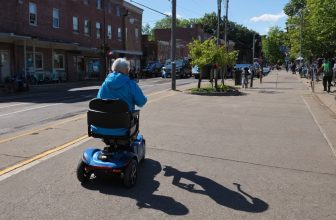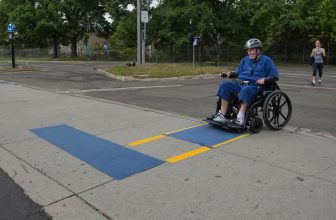
For many riders the largest effect of a mobility scooter is emotional rather than physical. Being the person who arrives, rather than the one waiting to be driven, restores a sense of control that repeated favors quietly erode. Short outings break the housebound cycle and give a week its rhythm. Mixed feelings in the first weeks are normal and usually fade. A scooter is not treatment, so a low mood that lingers belongs with your doctor.
Losing some of your independence can weigh on your mood as much as your body, and getting around again often lifts both at once. A mobility scooter is a practical tool, but for many people its biggest effect turns out to be an emotional one.
Getting out and staying connected
When leaving the house feels like too much effort, the world can quietly shrink to a few rooms. Missed coffees with friends, skipped family visits, and errands handed off to others all add up, and that kind of distance can leave you feeling forgotten. A scooter changes the math of a short trip. The corner store, a friend’s porch, a place of worship, or a bench in the park becomes reachable on your own terms.
Those small outings do more than pass the time. Seeing familiar faces, making small talk, and being part of everyday life help you feel connected to the people and places around you. Even a slow roll around the block puts you back in the flow of your neighborhood, where a wave or a quick chat can brighten a whole afternoon.
Restoring a sense of control and dignity
Relying on others for every trip can chip away at how you see yourself. It is one thing to accept a hand now and then, and another to feel you can no longer choose when and where you go. That loss of control is often what stings most.
Moving under your own power, at your own pace, hands some of that choice back. You decide to go out for milk, to catch the sunset, or to meet someone for lunch, without lining up a favor first. Being the one who arrives rather than the one who waits to be driven can quietly restore a sense of dignity and self-respect. Many people describe it less as getting a device and more as getting a piece of themselves back.
Easing the frustration of being housebound
Long stretches indoors can wear on anyone. When the days blur together and the walls feel close, it is normal for boredom to slide into frustration or a low, flat mood. You might notice less patience than usual, restless nights, or a general heaviness that is hard to put into words.
Being able to get out, even briefly, gives those feelings somewhere to go. Fresh air, a change of scenery, and a reason to get dressed and head out can interrupt the cycle before it settles in. None of this replaces care for your mental health, and if a low mood lingers it is worth talking to your doctor. But for many people, simply having an easy way out the door takes some of the edge off the frustration that being stuck can bring.
Building activity and routine into your days
Having somewhere to go tends to shape the rest of the day around it. A morning trip for the paper, an afternoon visit to the community center, or a standing outing with a neighbor gives your week a rhythm to lean on. Routine can be steadying when so much else feels uncertain.
Gentle activity often follows on its own. You might linger a little longer at the market, rejoin a group you had been missing, or meet a friend for a stroll now that keeping up is easier. Staying involved and having things to look forward to are good for the spirit, and a scooter makes it simpler to say yes.
Adjusting to the change
Starting to use a mobility scooter is a real adjustment, and mixed feelings are completely understandable. Some people feel relief and freedom right away. Others feel self-conscious at first, or a little sad about needing help getting around, and both reactions are valid. It can help to remember that the aim is not to give something up but to get more of your life back.
Go easy on yourself in the early days. Take short, familiar trips first, let the newness wear off, and notice the moments the scooter makes possible rather than the ones it seems to mark. Feelings often shift as it fades into the background and simply becomes the way you get where you want to be. If the emotional side feels heavy, talking it through with someone you trust, or with your doctor, can make the transition easier.
Well-being FAQ
Will using a scooter make me feel less independent?
For most people it works the other way around. A scooter is there so you can do more on your own, not less. Instead of waiting for a ride or skipping an outing, you get to choose your own errands, visits, and detours, which usually adds to your sense of independence rather than taking from it.
How do I handle feeling self-conscious in public?
Those feelings are common at the start and tend to ease with time. Beginning with routes and places where you already feel comfortable can help you settle in. Most people find that others pay far less attention than expected, and that the freedom to be out and about soon matters more than any early awkwardness.
Can getting out really affect my mood?
Getting outside, staying social, and keeping a routine are widely seen as supportive of well-being, and a scooter can make all three easier to reach. It is not a treatment, though. If you are dealing with ongoing low mood, anxiety, or isolation, please reach out to your doctor or a mental-health professional for proper support.