Updated:
Universal design is not accessibility compliance. Compliance sets a legal minimum; universal design treats access as part of the baseline specification rather than something bolted on afterwards. That is why, done properly, it disappears: luxury door widths already exceed wheelchair clearance, a curbless shower reads as architectural rather than medical, and reinforced blocking behind bathroom tile means a grab bar can be fitted years later without renovation.
Universal design, interiors that work for residents at every age and ability, is finally being integrated into luxury residential projects rather than treated as a separate compliance category. Solomia Home, an established interior design company in Dubai with a long history of luxury residential work, integrates universal design principles invisibly into senior projects. This article covers what that actually means in practice.
What universal design is, and is not
Universal design is the practice of creating interiors usable by people of any age and ability without specialized adaptation. It is not the same as accessibility compliance (DDA in the UAE; ADA in the US), compliance establishes minimum legal requirements; universal design treats accessibility as a baseline of luxury rather than a constraint imposed on it.
The seven principles
The Center for Universal Design at NC State (1997) defines seven principles: equitable use, flexibility in use, simple and intuitive use, perceptible information, tolerance for error, low physical effort, and adequate size and space for approach and use. Every principle is achievable in luxury interiors without aesthetic compromise.
Specifications that work invisibly
Door widths
Standard luxury door widths are typically 90–100 cm, already exceeding the 800 mm minimum for wheelchair clearance. Concealed-jamb systems (Lualdi, Rimadesio) further smooth thresholds.
Floor transitions
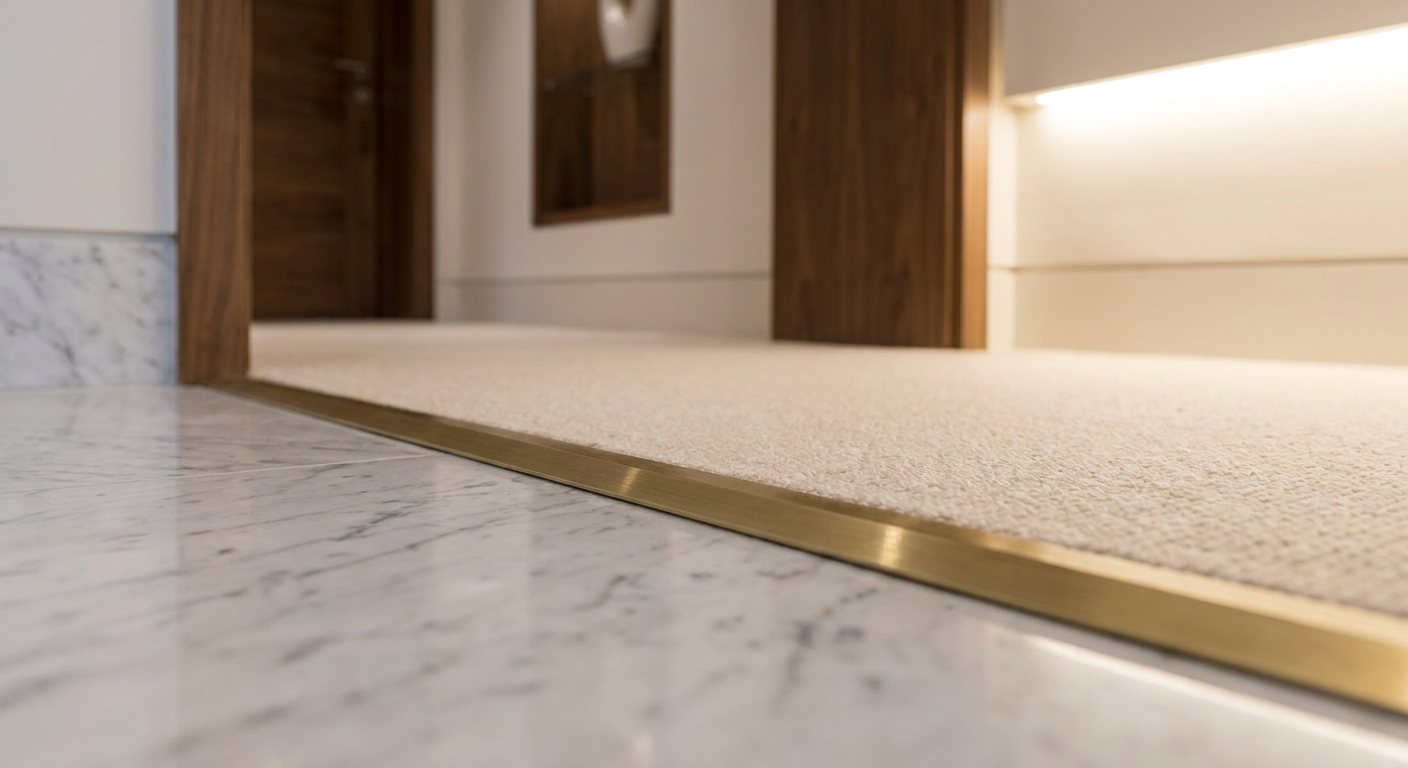
Continuous floor finishes through major rooms eliminate threshold steps. Where finish changes are necessary (carpet to stone), flush transitions with bevelled metal trim are preferred, they improve safety and read as a deliberate detail rather than a compliance feature.
Lever handles vs knobs
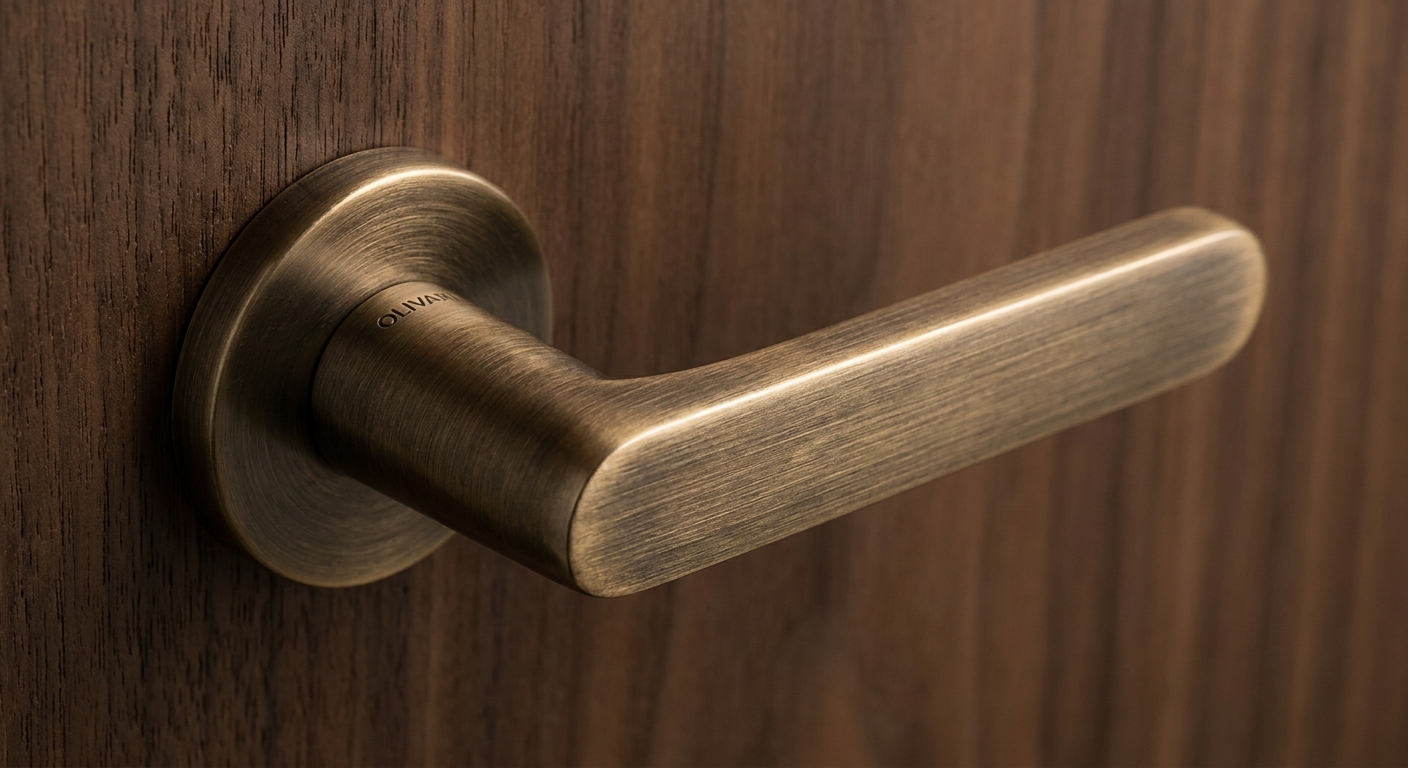
Lever handles work for people with arthritis, hand injuries, or who are simply carrying things. Most premium hardware programs (Olivari, FSB, Frank Allart, Valli & Valli) offer lever options across full collections.
Sensor lighting and motion control
Pathway lighting, low-level corridor lighting and bathroom lighting on motion sensors with soft fade-in eliminates the need to find switches in the dark. Crestron, Lutron and KNX all support this; the touchpoints simply deliver the intent.
Bathroom design
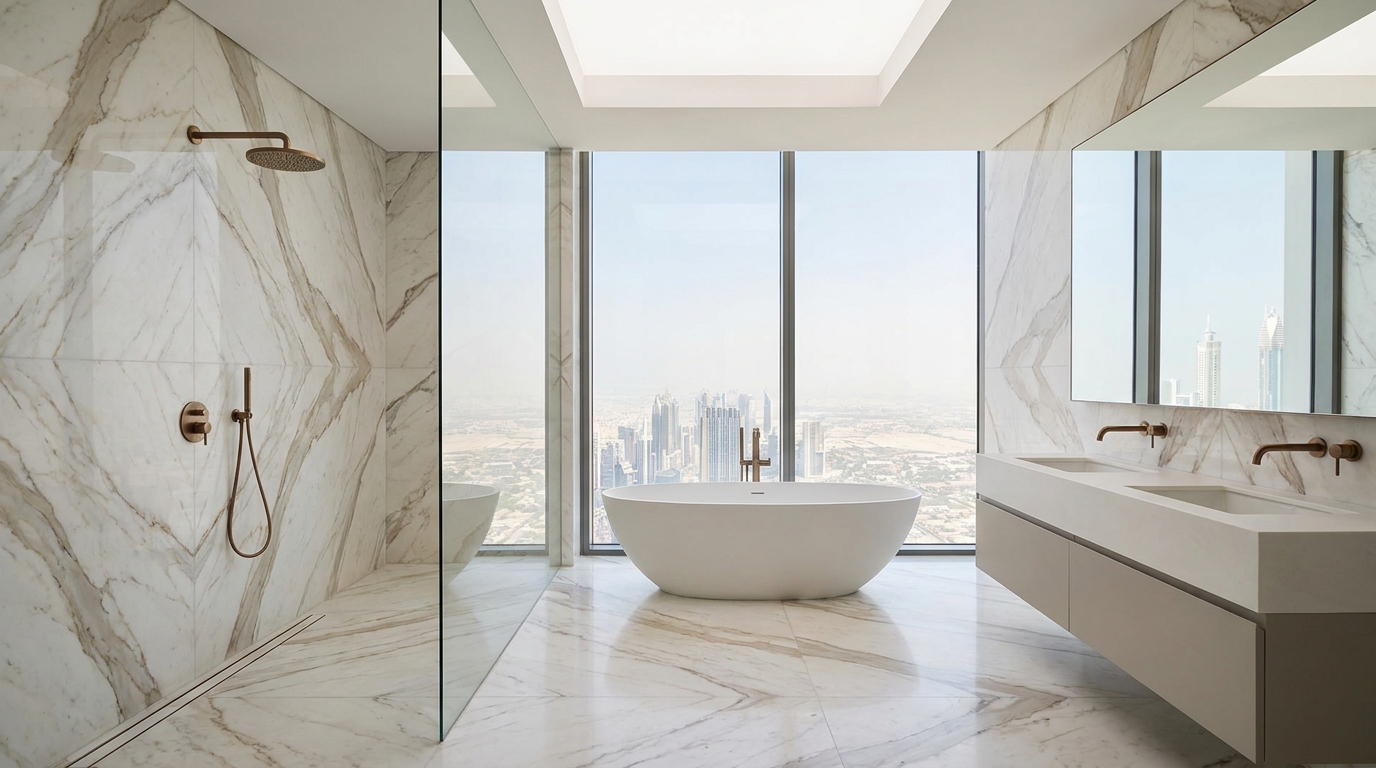
Curbless showers (zero-threshold wet rooms) with linear floor drains read as architectural and serve every age. Reinforced wall blocking behind tiles allows future grab-bar installation without renovation. Wall-hung WCs with adjustable seat heights are standard premium specification.
Kitchen design
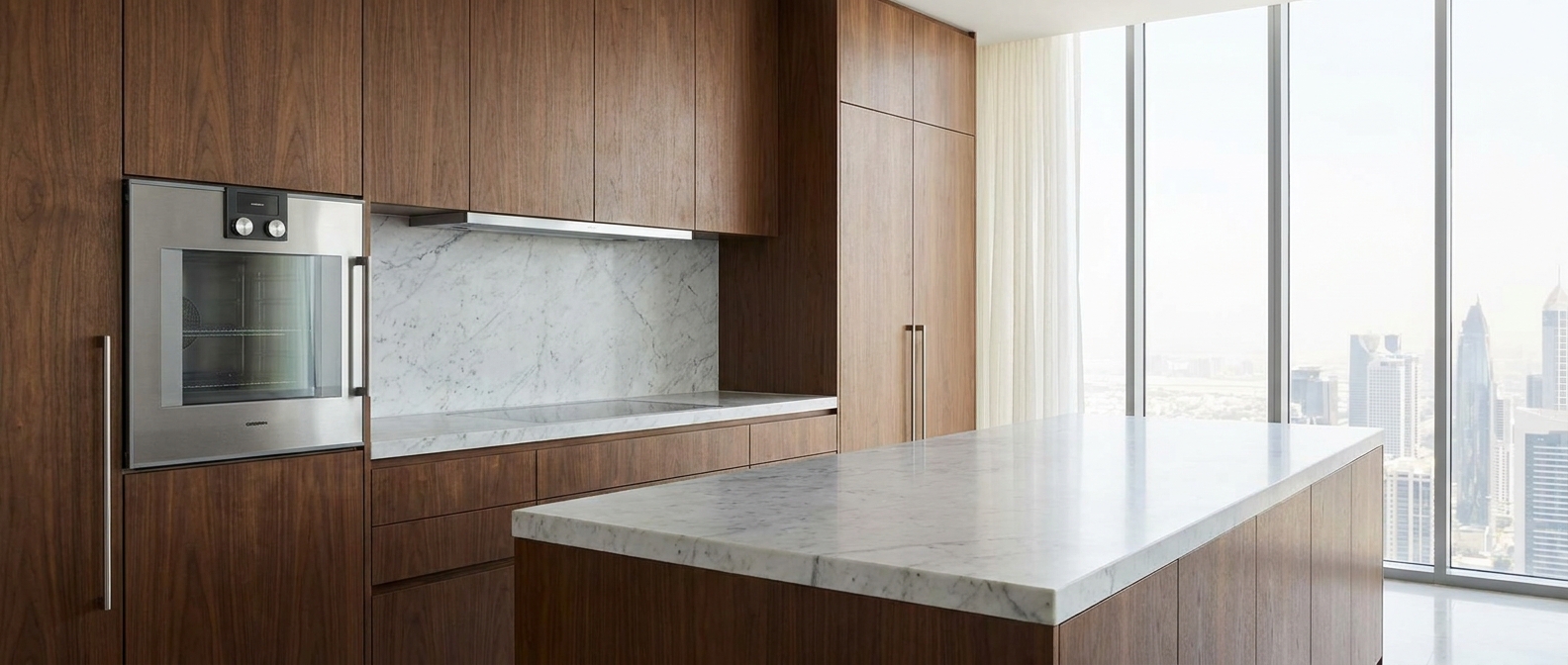
Variable-height worktops are not yet common in luxury kitchens, but appliance placement is becoming more thoughtful. Wall ovens at counter height (rather than below) and side-opening doors (Gaggenau, Wolf) are increasingly specified.
Lighting levels
Published residential guidance puts ambient lighting in the region of 100 to 300 lux with task lighting higher again, and the Illuminating Engineering Society is explicit that older eyes need more light than the same room would need for a younger occupant. Layered lighting (ambient + task + decorative) on dimmer scenes addresses this without changing fixture aesthetics.
Stairs
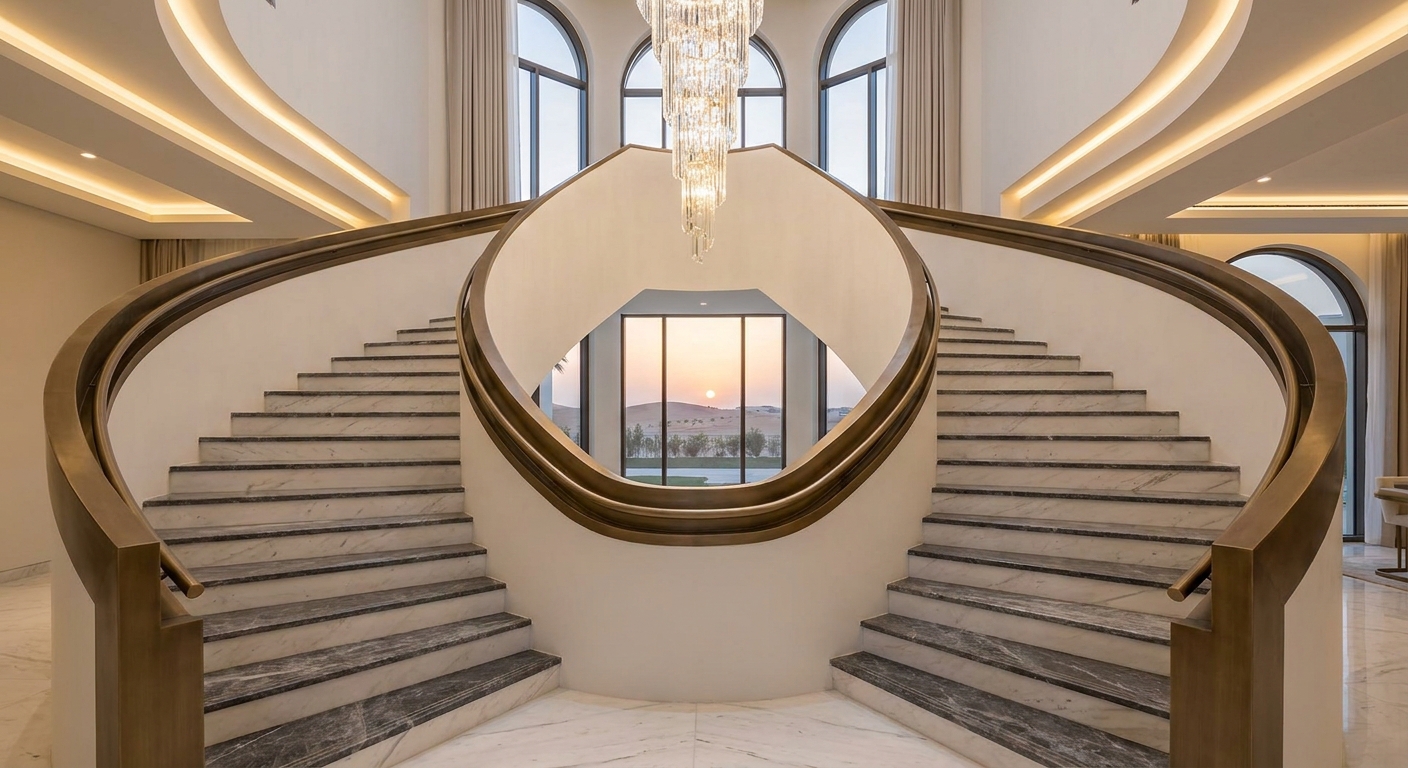
Continuous handrails, contrasting stair-tread leading edges, and consistent riser heights prevent falls. A subtle change in tread material at the top and bottom of a flight is a luxury-standard detail that doubles as a safety feature.

Spaces that anticipate the future
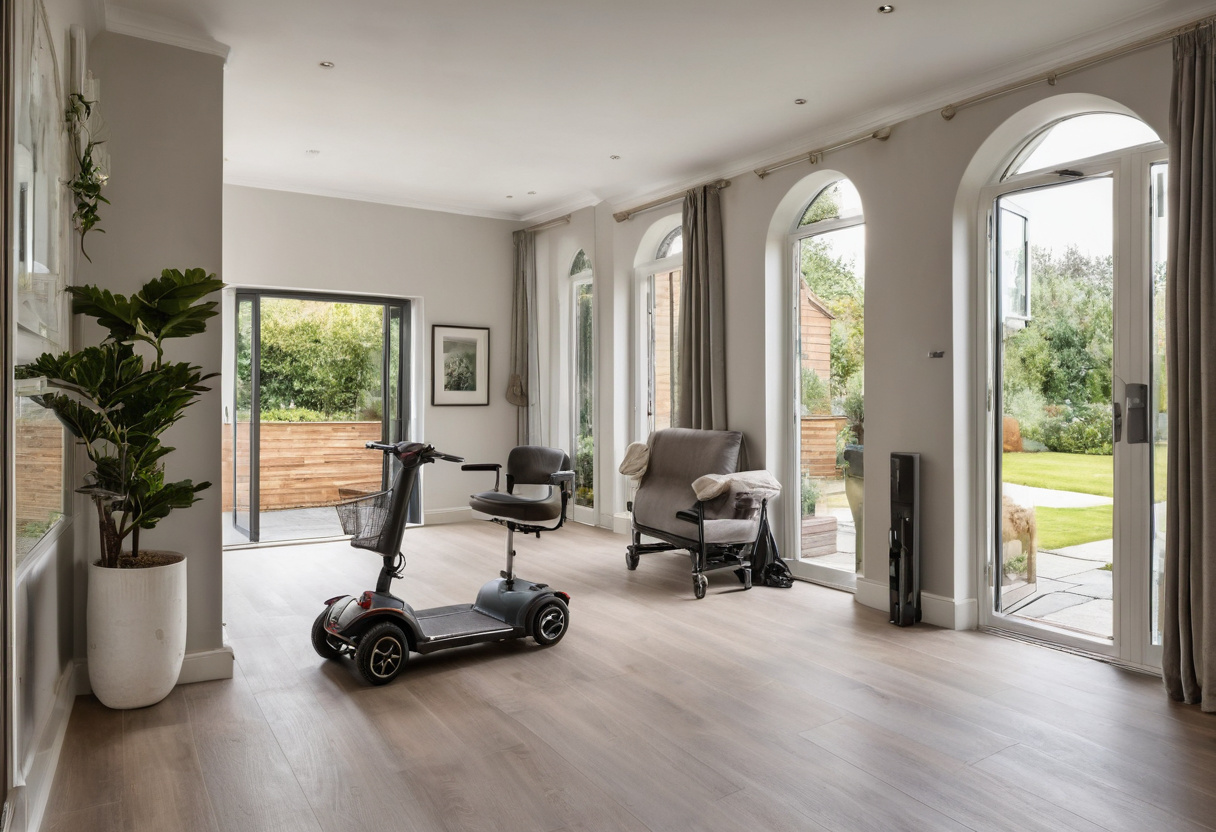
The most considered luxury residences support residents ageing in place rather than moving. Designers specify a master suite on the ground floor or near a residential lift, sliding doors rather than hinged doors for tight thresholds, and low-curb shower trays during the design stage rather than as retrofits. Residential lift planning also requires checking mobility scooter fit.
Working with the design team
Universal design works best when integrated at architectural stage, door widths, threshold details, structural blocking and lighting circuits are difficult to change post-construction. As a long-running interior design company in Dubai, Solomia Home reviews universal-design baselines at the same time as material and finish specification.

How universal design integrates with luxury work
Universal design is not separate from luxury design, it is luxury design done thoughtfully. The specifications above are invisible when implemented well; they only become visible when they are missing.
Related reading on this site
- Mobility Scooter Home Modification and Interior Design Guide 2025: Doorway Widening Solutions, Ramp Installation Options, Storage Systems, Charging Station Setup, and Accessible Living Space Layouts for Smooth Indoor Navigation in USA and Canada
- Mobility Scooter Insurance Coverage and Financial Planning Guide 2025: Medicare Part B Benefits, Private Insurance Claims, Warranty Protection Plans, Tax Deduction Opportunities, and Cost-Effective Purchase Strategies for Budget-Conscious Buyers in USA and Canada
- Mobility Scooter Emergency Preparedness and Disaster Response Guide 2025: Hurricane, Earthquake, and Power Outage Survival Strategies, Evacuation Planning, Backup Battery Systems, and Emergency Supply Kits for Disability Safety in USA and Canada
- Mobility Scooter Group Activities and Community Recreation Guide 2026: Organized Tours, Social Clubs, Outdoor Adventures, Sports Leagues, and Group Travel Programs for Building Friendships and Active Lifestyle Participation in USA and Canada
Related buying guides: 4-Wheel Scooters, Scooters for Seniors, 3-Wheel Scooters, and the full catalog and mobility statistics.