Mobility Scooters

Mobility Scooter Maintenance Schedule and Service Guide 2025: Monthly, Seasonal, and Annual Care Checklist with Professional Service Intervals for Maximum Longevity in USA and Canada

Why your $5,000 mobility scooter might fail you next winter (and how a simple maintenance schedule prevents it)

You made a significant investment in your mobility scooter, yet many owners never realize their device requires more maintenance than their family car. While automobiles get regular oil changes and tune-ups, mobility scooters often receive nothing more than an occasional battery charge until something goes wrong. This neglect costs owners thousands in premature replacements and leaves them stranded when they need their scooter most.

The harsh reality is that mobility scooters face unique challenges. They operate in all weather conditions, carry substantial weight loads, and run on complex electrical systems that deteriorate without proper care. A well-maintained scooter can last 8-10 years, while a neglected one might fail within 2-3 years despite identical usage patterns.

This comprehensive maintenance guide provides you with a systematic approach to scooter care that prevents breakdowns, extends lifespan, and keeps you mobile year-round. You’ll discover the exact intervals for every maintenance task, from daily checks to annual overhauls, plus professional service requirements that protect your warranty and investment.

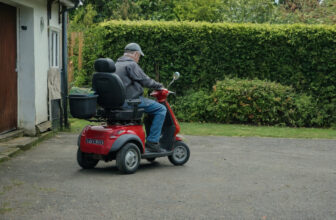
Modern mobility scooter in outdoor setting showing maintenance accessibility

This Photo was taken by Văn Nguyễn Hoàng.

The foundation of mobility scooter longevity

Understanding your mobility scooter’s maintenance needs requires recognizing it as a sophisticated piece of medical equipment, not just a simple electric vehicle. Modern mobility scooters contain dozens of moving parts, complex electrical circuits, and precision-engineered components that must work in harmony.

The key difference between mobility scooters and other vehicles lies in their usage patterns. Unlike cars that rest overnight in garages, mobility scooters often remain active throughout the day, charging overnight, and operating in environments ranging from smooth indoor surfaces to rough outdoor terrain. This constant use cycle creates unique wear patterns that standard maintenance approaches don’t address.

Your scooter’s electrical system faces particular challenges. Battery terminals corrode faster due to frequent charging cycles, control mechanisms wear from daily use, and motor brushes deteriorate under continuous load conditions. These factors make preventive maintenance not just beneficial, but essential for reliable operation.

Understanding component lifecycles

Different mobility scooter components have varying maintenance requirements based on their function and stress levels. Drive motors typically require attention every 6-12 months, while brake systems need monthly inspection. Battery maintenance and optimization represents the most critical ongoing task, directly affecting both performance and longevity.

Mechanical components like wheels, bearings, and suspension elements follow more traditional wear patterns similar to automotive parts. However, their smaller size and precise tolerances mean they require more frequent attention than their car counterparts.

Close-up view of mobility scooter components showing maintenance points

This Photo was taken by Da Na.

Daily maintenance rituals that prevent major failures

Your daily interaction with your mobility scooter provides the perfect opportunity for basic maintenance checks that prevent most common failures. These simple routines take less than five minutes but can save you hundreds in repair costs.

Start each day with a visual inspection of your scooter. Look for obvious damage, loose parts, or anything that seems different from the previous day. Check tire pressure by pressing firmly on the tire sidewall – it should feel firm and not compress easily under moderate pressure.

Battery level monitoring represents the most critical daily task. Always check your charge indicator before use, and never allow your battery to completely discharge. Deep discharges dramatically reduce battery life and can leave you stranded far from home.

Pre-ride safety checklist

Before each use, test your horn, lights, and turn signals. These safety features protect you in traffic and ensure compliance with local regulations. Understanding your local mobility scooter regulations helps you maintain proper equipment functionality.

Check that your seat adjustment locks properly and that all control mechanisms respond correctly. Test your brakes gently before proceeding into traffic or onto inclines. These simple checks become automatic with practice and provide peace of mind during daily use.

Daily Check What to Look For Action Required
Battery Level Charge indicator reading Charge if below 50%
Tire Condition Proper inflation, visible damage Inflate or repair as needed
Control Response Smooth operation, no sticking Clean or service if sluggish
Safety Equipment Horn, lights, signals function Replace bulbs or fuses
Mobility Scooter for Adults, Seniors - 37.5 lbs Ultra Lightweight Folding

Mobility Scooter for Adults, Seniors – 37.5 lbs Ultra Lightweight Folding

Rating: 4.8/5 ⭐⭐⭐⭐⭐ | Price: $1,899.00

Ultra-lightweight and airport-approved design makes this scooter perfect for travelers. Features 275 lbs capacity and all-terrain capabilities for versatile use.

Pros: Lightweight, foldable, travel-friendly
Cons: Lower weight capacity, premium price point

Buy on Amazon

Weekly maintenance routines for optimal performance

Weekly maintenance expands beyond daily checks to include more thorough cleaning and inspection procedures. These tasks help you identify developing problems before they become expensive repairs.

Clean your mobility scooter thoroughly once per week, paying special attention to electrical connections and moving parts. Use a damp cloth to wipe down surfaces, but avoid spraying water directly onto electrical components. Clean battery terminals with a wire brush to prevent corrosion buildup that reduces electrical efficiency.

Inspect all visible bolts and fasteners for tightness. The constant vibration from daily use can loosen critical connections over time. Check wheel alignment by observing your scooter’s tracking when driving in a straight line – any pulling to one side indicates alignment issues that require professional attention.

Battery maintenance and charging protocols

Weekly battery maintenance goes beyond daily charge level monitoring. Check electrolyte levels in lead-acid batteries, adding distilled water if levels drop below the plates. Clean battery terminals and apply petroleum jelly to prevent future corrosion.

Monitor charging patterns by noting how long your scooter takes to reach full charge. Increasing charge times often indicate battery degradation or charger problems. Proper battery care techniques can double your battery’s lifespan and maintain consistent performance.

Hands performing maintenance on mobility scooter battery compartment

This Photo was taken by Iyke Ibeh.

Monthly inspections that catch problems early

Monthly maintenance involves more detailed inspections that require basic tools and slightly more time investment. These procedures help you catch wear patterns and developing issues before they cause breakdowns.

Remove seat cushions and access panels to inspect internal components. Look for frayed wires, loose connections, or signs of moisture intrusion. Check brake operation by testing stopping distance on a safe, flat surface. Brakes should engage smoothly without grabbing or grinding noises.

Tire inspection becomes more critical at monthly intervals. Check tread depth, sidewall condition, and proper inflation pressure using a tire gauge. Worn tires affect handling, range, and safety, particularly in wet conditions or on inclines.

Drive system and motor inspection

Monthly motor checks help identify developing problems before they cause complete failures. Listen for unusual noises during operation – grinding, squealing, or clicking sounds indicate components that need attention. Check motor brush wear through inspection ports if your model provides access.

Inspect drive belts for proper tension and wear patterns. Belts should deflect approximately 1/2 inch under moderate finger pressure. Loose belts cause poor performance and accelerated wear, while overtight belts stress bearings and reduce component life.

330lbs Max Weight, Electric Mobility Scooter for Adults 4 Wheel Mobility

330lbs Max Weight, Electric Mobility Scooter for Adults 4 Wheel Mobility

Rating: 4.7/5 ⭐⭐⭐⭐⭐ | Price: $649.99

Heavy-duty 4-wheel design with impressive 20-mile range per charge. Built for users requiring higher weight capacity and extended daily use.

Pros: High weight capacity, long range, affordable
Cons: Heavier build, less portable design

Buy on Amazon

Seasonal maintenance strategies for year-round reliability

Seasonal maintenance addresses the unique challenges each time of year brings to mobility scooter operation. These procedures prepare your scooter for changing weather conditions and usage patterns.

Spring maintenance focuses on recovering from winter storage and preparing for increased outdoor use. Inspect all seals and gaskets for winter damage, check tire condition after potential freeze-thaw cycles, and test all electrical systems after periods of reduced use. Understanding cold weather effects helps you assess winter-related component stress.

Summer preparation emphasizes cooling system efficiency and protection from heat damage. Clean air vents to ensure proper motor cooling, inspect rubber components for heat-related deterioration, and check battery performance under high-temperature conditions.

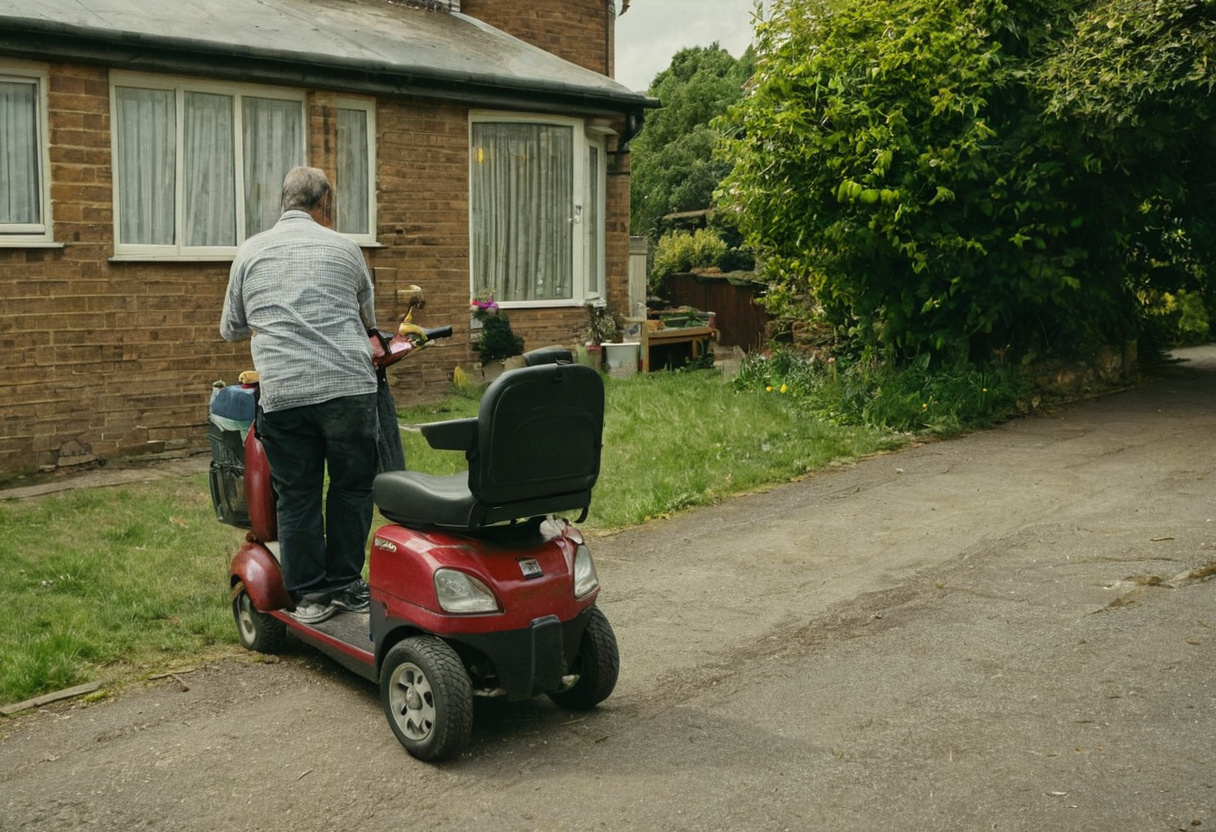
Mobility scooter in seasonal outdoor environment showing weather protection

This Photo was taken by Busenur.

Winter preparation and storage protocols

Winter maintenance becomes critical in northern climates where temperatures drop below freezing. Specialized winter care techniques protect your investment during harsh weather conditions.

Battery care requires special attention during cold months. Store batteries in heated areas when possible, as cold temperatures reduce capacity and can cause permanent damage. Use battery tenders or smart chargers that adjust for temperature variations.

Lubrication schedules change in winter conditions. Use low-temperature lubricants on moving parts, and increase lubrication frequency as cold weather thickens standard lubricants and reduces their effectiveness.

Fall maintenance and weatherproofing

Fall preparation focuses on protecting your scooter from moisture and temperature fluctuations. Apply protective treatments to exposed metal surfaces, check weatherstripping around electrical compartments, and inspect covers and shields for damage.

This season also provides the ideal time for major component replacements before winter stress takes its toll. Replace worn tires, aging batteries, and damaged electrical components while weather still permits easy maintenance work.

Powered Mobility Scooter for Adults, Seniors - 23MI Extra Long Range

Powered Mobility Scooter for Adults, Seniors – 23MI Extra Long Range

Rating: 4.9/5 ⭐⭐⭐⭐⭐ | Price: $999.00

Exceptional 23-mile range with dual battery system and airport approval for travel convenience. Foldable design combines performance with portability.

Pros: Outstanding range, dual batteries, travel-ready
Cons: Mid-range price, complex battery management

Buy on Amazon

Annual maintenance and professional service requirements

Annual maintenance represents the most comprehensive service your mobility scooter receives. This level of service typically requires professional expertise and specialized tools, though some tasks remain within the capabilities of mechanically inclined owners.

Professional annual service includes complete electrical system testing, motor brush replacement or service, brake system overhaul, and suspension component inspection. Understanding when to seek professional help ensures you don’t void warranties or compromise safety with improper repairs.

Battery replacement often occurs on an annual or biennial schedule, depending on usage patterns and maintenance quality. Professional service includes load testing existing batteries, proper disposal of old units, and programming new battery management systems.

Professional technician servicing mobility scooter in workshop environment

This Photo was taken by lil artsy.

Warranty compliance and documentation

Annual professional service helps maintain warranty coverage by documenting proper care and identifying issues before they cause major damage. Keep detailed maintenance records that include dates, services performed, and parts replaced.

Many warranty claims are denied due to improper maintenance or the use of non-approved parts. Professional service ensures compliance with manufacturer requirements and provides documentation that supports warranty claims when needed.

Performance optimization and upgrades

Annual service provides opportunities to upgrade components and improve performance. Technology advances may offer battery upgrades, improved tires, or enhanced safety features that weren’t available when you purchased your scooter.

Professional technicians can assess whether upgrades provide worthwhile benefits or if replacement makes more economic sense. Understanding upgrade and trade-in options helps you make informed decisions about your mobility equipment investment.

Mobility scooter maintenance tools and components laid out systematically

This Photo was taken by Tima Miroshnichenko.

Troubleshooting common maintenance issues

Understanding common maintenance problems and their solutions helps you address minor issues before they become major repairs. Most mobility scooter problems fall into predictable categories that respond well to systematic troubleshooting approaches.

Electrical issues represent the most frequent maintenance challenge. Symptoms include intermittent operation, reduced power, or complete electrical failure. Start troubleshooting with battery condition, then progress through fuses, connections, and control systems in logical sequence.

Mechanical problems typically involve brakes, steering, or drive components. These issues often develop gradually and respond well to early intervention. Regular maintenance catches most mechanical problems before they cause safety concerns or expensive damage.

Battery and charging system problems

Battery-related issues account for approximately 70% of mobility scooter service calls. Common symptoms include reduced range, slow charging, or failure to hold charge overnight. Many battery problems result from improper maintenance rather than component failure.

Charging system problems often masquerade as battery issues. Test your charger output with a multimeter, check charging port connections for corrosion, and verify that charging indicators function properly. Comprehensive battery troubleshooting techniques help isolate the actual problem source.

4-Wheel Mobility Scooter for Adults & Seniors - Heavy-Duty Compact Travel

4-Wheel Mobility Scooter for Adults & Seniors – Heavy-Duty Compact Travel

Rating: 4.8/5 ⭐⭐⭐⭐⭐ | Price: $499.99

Budget-friendly option with heavy-duty construction and practical travel design. Features LED lights, storage basket, and reliable performance for daily use.

Pros: Excellent value, compact design, good features
Cons: Basic specifications, limited advanced features

Buy on Amazon

Drive system and control malfunctions

Drive system problems manifest as reduced speed, jerky operation, or steering difficulties. These issues often result from worn brushes, loose connections, or control system malfunctions. Systematic testing helps isolate the problem component.

Control system problems require careful diagnosis to avoid replacing expensive components unnecessarily. Test individual functions systematically, check connection integrity, and verify proper voltage levels throughout the control circuit.

Detailed view of mobility scooter control panel and steering mechanism

This Photo was taken by Gül Işık.

Regional maintenance considerations for USA and Canada

Mobility scooter maintenance requirements vary significantly between different regions of the USA and Canada due to climate variations, terrain differences, and local usage patterns. Understanding these regional factors helps you customize your maintenance approach for optimal results.

Northern regions with harsh winters require additional battery care, corrosion protection, and seasonal storage procedures. Salt exposure from road treatments accelerates corrosion and requires more frequent cleaning and protective treatments. Specialized winter operation techniques become essential for year-round reliability.

Coastal areas present unique challenges from salt air exposure, humidity, and temperature fluctuations. Electrical components require additional protection, and metal parts need more frequent inspection and treatment to prevent corrosion damage.

Urban versus rural maintenance differences

Urban environments typically provide smoother surfaces but expose scooters to more frequent stop-and-go operation, which stresses electrical systems differently than steady-speed rural use. City pollution and dust accumulation require more frequent cleaning cycles.

Rural users often encounter rougher terrain, longer distances, and fewer service options. This combination requires more robust preventive maintenance and greater self-reliance for basic repairs and adjustments. All-terrain mobility scooter considerations become important for rural users who encounter varied surface conditions.

Service availability and parts sourcing

Service availability varies dramatically across North America, with major metropolitan areas offering multiple service options while rural areas may have limited local support. This geographic reality affects both routine maintenance scheduling and emergency repair situations.

Parts sourcing becomes critical in remote areas where overnight delivery isn’t available. Maintaining a basic parts inventory becomes more important for users in areas with limited service infrastructure. Understanding which parts to stock depends on your specific scooter model and local usage conditions.

Mobility scooter in regional outdoor setting showing environmental factors

This Photo was taken by Pixabay.

Cost-effective maintenance strategies and budgeting

Effective mobility scooter maintenance requires balancing cost considerations with reliability needs. Understanding where to invest maintenance dollars and where to economize helps you maximize your scooter’s lifespan without overspending on unnecessary services.

Priority maintenance items deserve full investment regardless of cost. Battery maintenance, brake system service, and electrical safety checks should never be compromised for economic reasons. These systems directly affect your safety and scooter reliability.

Secondary maintenance items offer more flexibility in timing and approach. Cosmetic repairs, accessory maintenance, and comfort features can be deferred during budget constraints without compromising essential operation.

DIY maintenance versus professional service

Many maintenance tasks fall within the capabilities of mechanically inclined owners, while others require professional expertise and specialized tools. Understanding your DIY repair capabilities helps you make appropriate decisions about which tasks to tackle yourself.

Basic maintenance like cleaning, battery care, and simple adjustments typically cost only time and minimal supplies. Advanced repairs involving electrical diagnostics, motor service, or brake system

Mobility Scooters
Logo