A mobility scooter’s performance depends less on which model you choose than on how well that model copes with the weather where you live. Heat shortens a battery’s life, cold shortens its range, salt eats the frame, and a wet hill asks more of the brakes than any specification sheet mentions. This guide works through five North American regions and what each one actually does to a scooter, with the practical measures that make the difference in each.
Understanding North America’s evolving climate zones for mobility equipment
North America does not have one climate, and the differences between its regions matter more to a scooter than the model name does. Rather than a single national picture, this guide works through five regions and what each one actually does to a battery, a motor and a set of tyres.

Each zone sets a different problem. The Desert Southwest brings sustained extreme heat, hard UV and fine dust. The Pacific Northwest brings persistent rain and hills. The Great Lakes bring ice, road salt and repeated freezing and thawing. The Maritime Provinces bring salt air and wind. The Prairies swing furthest between winter lows and summer highs, which is why a scooter that copes there has to cope at both ends rather than at one.
| Climate Zone | Temperature Range (°F) | Primary Challenges | Optimal Scooter Features |
|---|---|---|---|
| Desert Southwest | 25-115 | Extreme heat, UV exposure, dust | Enhanced cooling, UV protection, sealed components |
| Pacific Northwest | 35-85 | Persistent moisture, hills, rain | Waterproofing, powerful motors, anti-slip tires |
| Great Lakes | -10-90 | Ice, snow, salt, freeze-thaw | Cold weather batteries, corrosion resistance |
| Maritime Provinces | 10-80 | Salt air, wind, variable conditions | Marine-grade sealing, wind stability |
| Prairie | -30-100 | Extreme temperature swings, wind | All-weather adaptability, sturdy construction |
Desert Southwest climate adaptation strategies
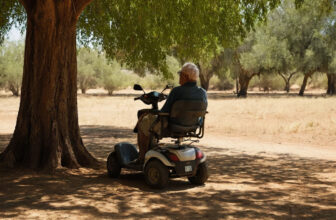
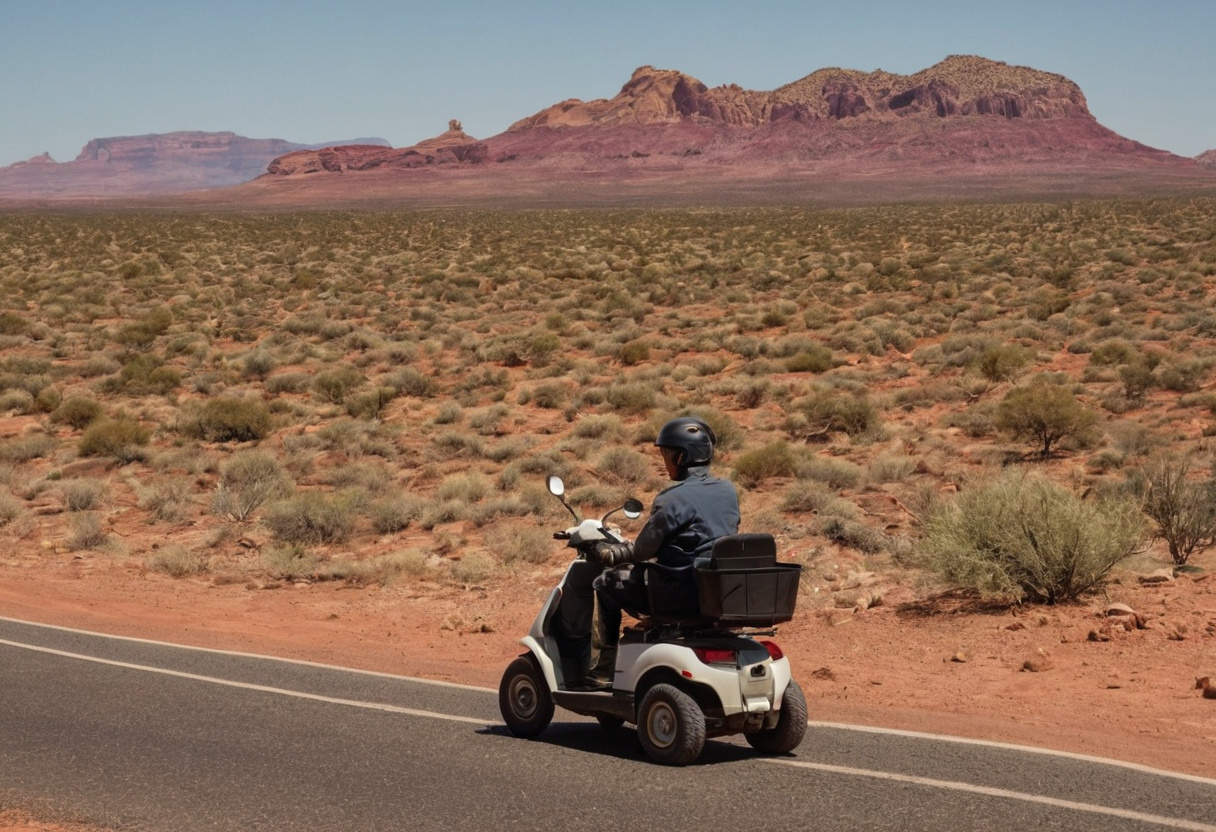
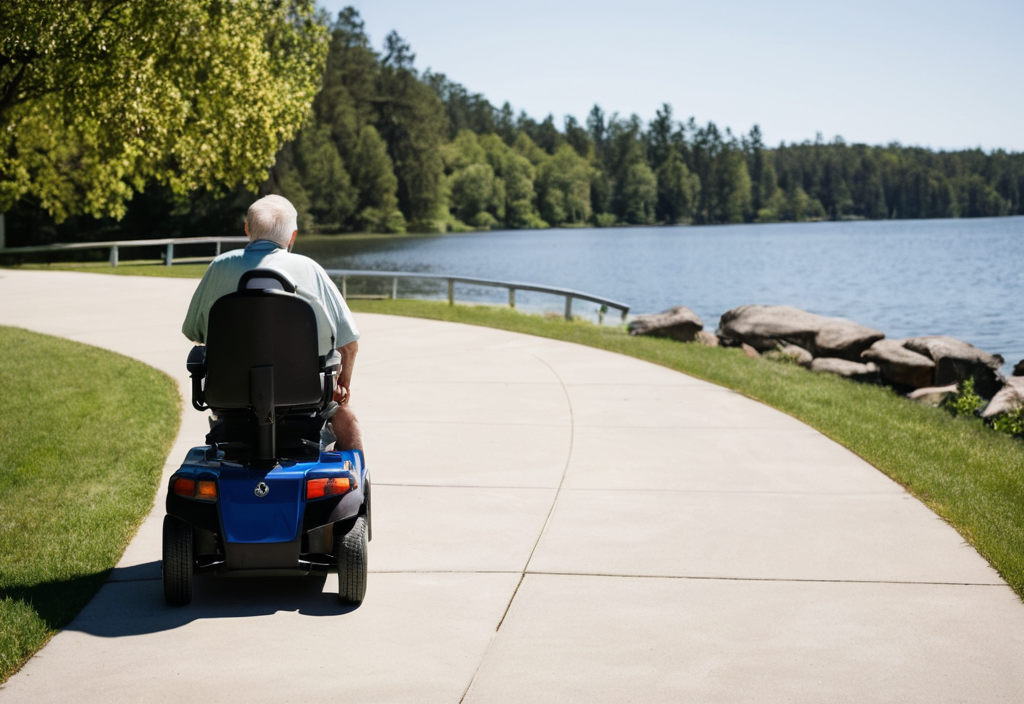
The Desert Southwest’s combination of sustained heat, hard UV and abrasive dust is the harshest environment a scooter’s electronics and battery will meet. Phoenix ran 113 consecutive days at or above 100°F in 2024, from 27 May to 17 September, beating a previous record of 76 days set in 1993, and recorded 61 days at or above 110°F across that year (AZPM, reporting NWS Phoenix).
Heat management solutions for desert climates
Heat does not take range out of a lithium battery the way cold does, but it shortens the battery’s working life and makes the electronics run hotter than they were designed to. The measures that help are the plain ones. Charge and park in shade rather than in direct sun, because a closed battery compartment in full sun runs far hotter than the air around it. Ride early or late rather than at the peak of the afternoon.
Motor overheating becomes critical when ambient temperatures reach triple digits. Hot weather battery management techniques include scheduling rides during cooler morning and evening hours, maintaining proper ventilation around motor housings, and installing heat-dissipating accessories.

Metro Electric Mobility Scooter
Price: see current price on Amazon
Features enhanced heat management with sealed battery compartment and UV-resistant body panels. The 300-lb weight capacity handles desert gear loads while maintaining stability on sandy surfaces.
Considerations: Limited color options may show dust more easily in desert environments.
Buy on AmazonUV protection and component longevity
Desert UV levels reach extreme ratings (11+) regularly, causing rapid degradation of plastic components, seat materials, and electronic housings. Apply UV-resistant protective coatings to exposed surfaces every six months. Seat covers specifically designed for desert climates should have UV ratings exceeding 50+ SPF equivalent protection.

Dust infiltration prevention
Desert dust particles measure 0.1 to 50 microns, small enough to penetrate standard sealing systems and cause electronic component failure. Install high-grade dust filters on battery compartments and motor housings. Clean air intake areas weekly during dust season, typically April through June in most Southwest regions.
Tire selection becomes critical on loose sand and gravel surfaces common in desert communities. Wider tires with aggressive tread patterns provide better traction and prevent sand accumulation in wheel wells.
Pacific Northwest moisture management and terrain navigation
The Pacific Northwest combines persistent moisture, steep ground and marine air. The rain matters less for its volume than for how often it falls: what wears a scooter here is repeated wetting and drying, and the corrosion that follows it, rather than any single downpour.
Waterproofing essentials for persistent moisture
Standard IP54 ratings prove insufficient for Pacific Northwest conditions. Upgrade to IP65 or higher waterproofing standards for all critical components. This includes battery compartments, control systems, and charging ports. Marine-grade dielectric grease applications on all electrical connections prevent corrosion from constant humidity exposure.

Extended Range All-Terrain Scooter
Price: see current price on Amazon
Features 23-mile range with dual batteries and enhanced waterproofing for constant moisture exposure. Airport-approved design maintains portability for frequent travelers.
Considerations: Higher initial cost offset by superior weather resistance and extended battery life.
Buy on AmazonBattery compartment ventilation requires careful balance in humid climates. Install one-way breathing valves that allow pressure equalization while preventing moisture ingress. Silica gel desiccant packets placed in sealed battery compartments absorb residual moisture during storage periods.
Hill climbing performance optimization
Streets here can be genuinely steep, and a gradient costs a scooter far more battery than the same distance on the flat. Check the incline rating the manufacturer publishes rather than the motor wattage on its own, because the rating accounts for the whole drivetrain and the wattage does not. Then treat a hill you could not get back up as the limit of your range, not half of it.
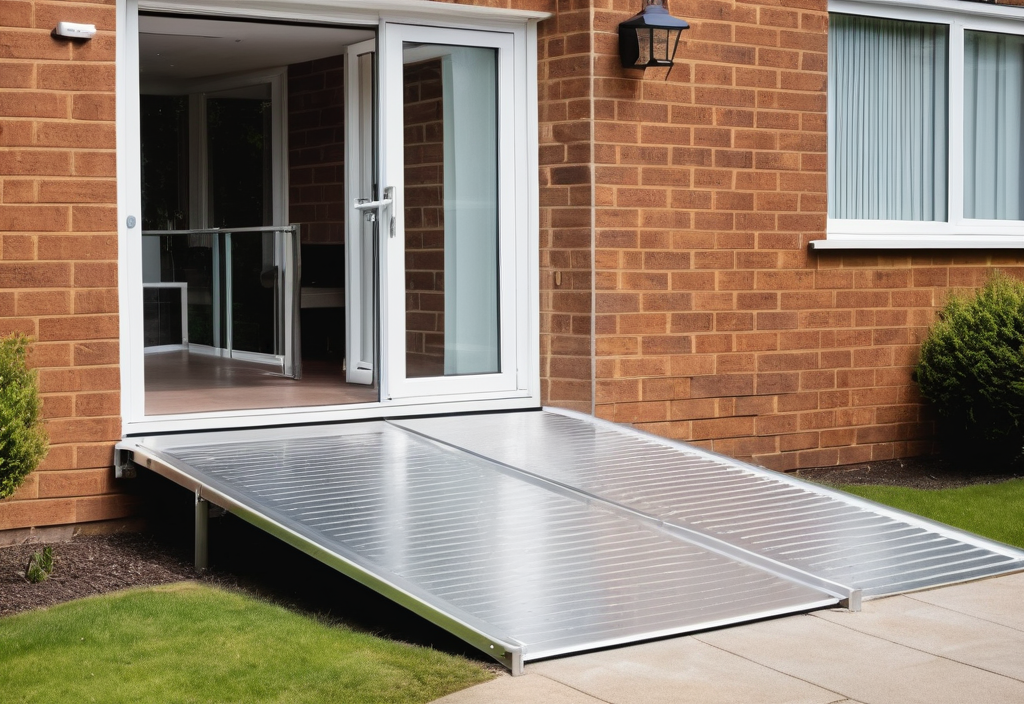
Brake system upgrades become essential for safe downhill navigation. Regenerative braking systems not only improve safety but also recover energy during descents, extending battery range. Battery optimization techniques specific to hilly terrain include maintaining partial charge levels during extended climbs and allowing cooling periods between demanding ascents.
Traction enhancement for wet surfaces
Wet pavement, fallen leaves, and moss-covered surfaces create significant traction challenges. Tire compounds designed for wet weather conditions use silica-enhanced rubber formulations that maintain grip in temperatures below 45°F. Tread patterns with deep grooves and sipes channel water away from the contact patch.
Mobility scooters do not have anti-lock brakes. Almost all of them stop by cutting drive and applying an electromagnetic brake the moment you release the throttle, which is why the safe technique on a wet or steep descent is to go down slowly under power rather than to release the throttle and coast.

Great Lakes region ice and freeze-thaw cycle management
The Great Lakes bring the most changeable surfaces in North America, and it is not the cold that does the damage so much as the cycle. Water gets into a crack, freezes, opens it, and thaws again, so the same stretch of path can be sound in the morning and glazed by the afternoon.
Cold weather battery performance strategies
A lithium battery gives less in the cold, and the colder it gets the less it gives. The point that costs real money is a different one: a lithium cell can be discharged well below freezing but must not be charged below 0°C (32°F), because charging a cold cell plates metallic lithium onto the anode and damages it permanently (Battery University). In practice that means bringing the battery indoors to charge and letting it warm before it goes back on the scooter.
Battery insulation wraps designed for extreme cold conditions maintain internal temperatures above freezing during short-term exposure. For extended cold weather operation, consider heated battery blankets powered by auxiliary battery systems.

Heavy Duty All-Terrain Mobility Scooter
Price: see current price on Amazon
Built for extreme conditions with 500lb capacity, 800W motor, and long-range battery system. Remote key functionality allows pre-warming before outdoor use in freezing conditions.
Considerations: Premium pricing reflects professional-grade construction and advanced features.
Buy on AmazonIce navigation and traction solutions
Standard mobility scooter tires provide virtually no traction on ice or packed snow. Winter tire upgrades use compound formulations that remain flexible at low temperatures. Studded tire options provide mechanical grip on ice surfaces, though local regulations may restrict their use on certain surfaces.
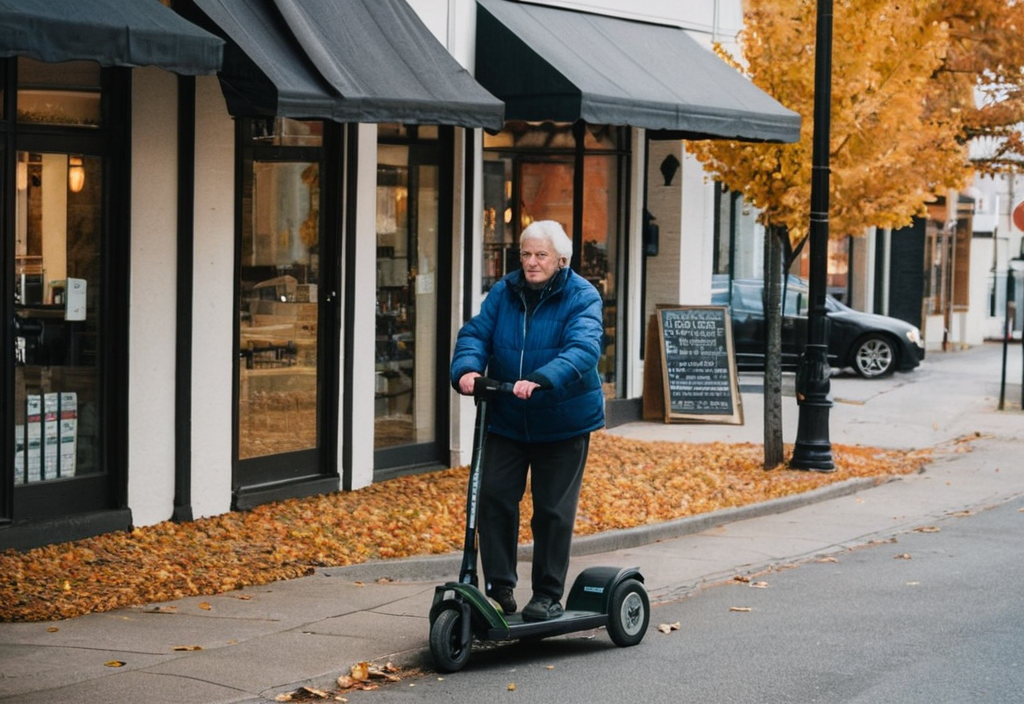
Tire chains designed for mobility scooters provide emergency traction on ice-covered surfaces. These systems install quickly over existing tires and significantly improve grip during unexpected ice events. Weight distribution accessories help maintain stability on uneven winter surfaces.
Salt corrosion protection systems
Road salt is what actually eats a scooter in this region. How much goes down varies by state and by storm, and the figure that matters to you is not the tonnage on the road but how often the underside of your scooter gets rinsed. Salt left to dry keeps working on the metal.
Undercarriage wash systems remove salt accumulation before corrosion begins. Weekly washing during salt season prevents long-term damage to frame components, wheels, and mechanical systems. Cold weather performance optimization includes regular maintenance schedules adapted to harsh winter conditions.
Maritime Provinces coastal adaptation and salt air management
Maritime zones bring salt air, wind, and weather that turns quickly. Salt air is the slow problem and wind is the immediate one, and they ask for different answers: sealing and rinsing for the first, a low centre of gravity and a wide track for the second.
Marine-grade component protection
Salt-laden air corrodes metal considerably faster than inland air, which is why coastal equipment is specified differently in the first place. Marine-grade aluminium resists it better than plain steel, and every electrical connection wants a sealant or an inhibitor made for the job rather than a general-purpose grease.
Stainless steel hardware upgrades for all exposed fasteners prevent the rapid degradation common with standard hardware in salt environments. Regular fresh water rinses remove salt accumulation before crystallization damage occurs.

Electric Mobility Scooter for Coastal Use
Price: see current price on Amazon
Engineered for maritime conditions with 330lb capacity and 20-mile range. Enhanced weather sealing protects against salt air corrosion while maintaining reliable performance in coastal winds.
Considerations: May require more frequent cleaning and maintenance in high-salt environments.
Buy on AmazonWind stability and handling adaptations
Coastal winds create stability challenges for mobility scooters, particularly when gusting above 25 mph. Lower center of gravity modifications improve wind stability without compromising ground clearance. Wide-stance wheelbase configurations provide better crosswind resistance.
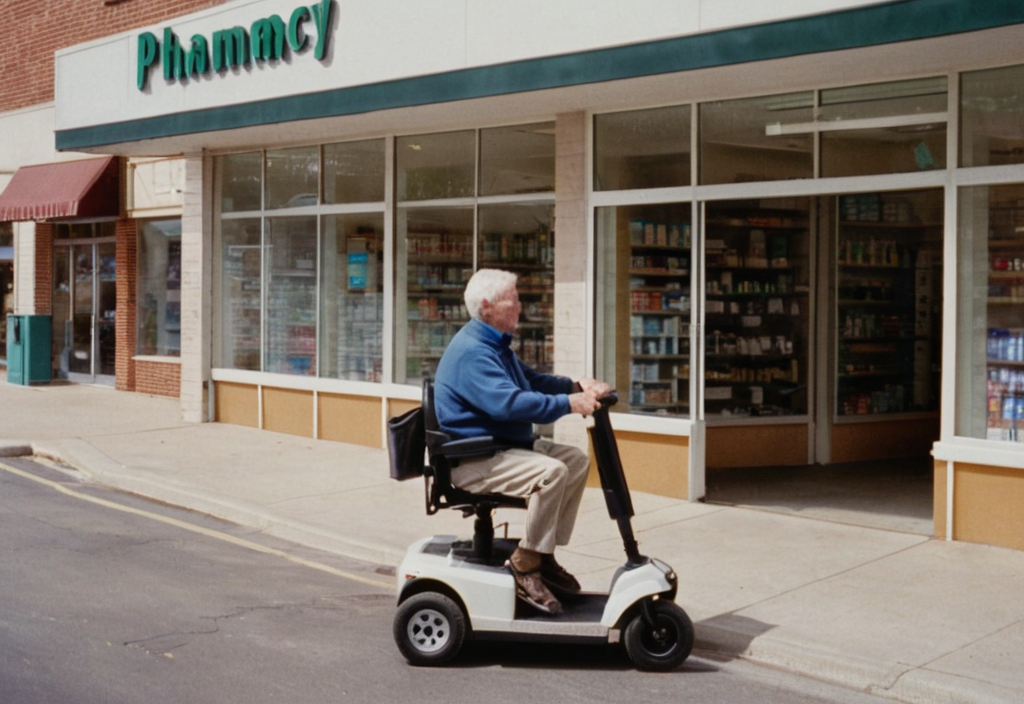
Wind fairings deflect airflow around the user and reduce wind loading on the scooter chassis. These accessories prove particularly valuable during extended rides in coastal areas with consistent wind exposure.
Variable weather preparedness
Maritime climates feature rapid weather changes, with conditions shifting from clear to stormy within hours. Weather monitoring systems integrated with scooter operation provide advance warning of approaching severe conditions. Emergency weather shelters and waterproof storage solutions protect both user and equipment during sudden weather changes.
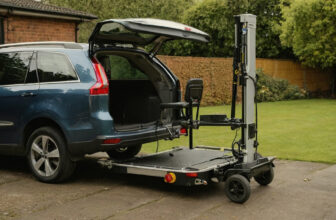
Multiple battery systems ensure adequate range for return trips when weather conditions deteriorate unexpectedly. Compact foldable models offer emergency transportation options that can be quickly transported by vehicle when weather conditions become dangerous.
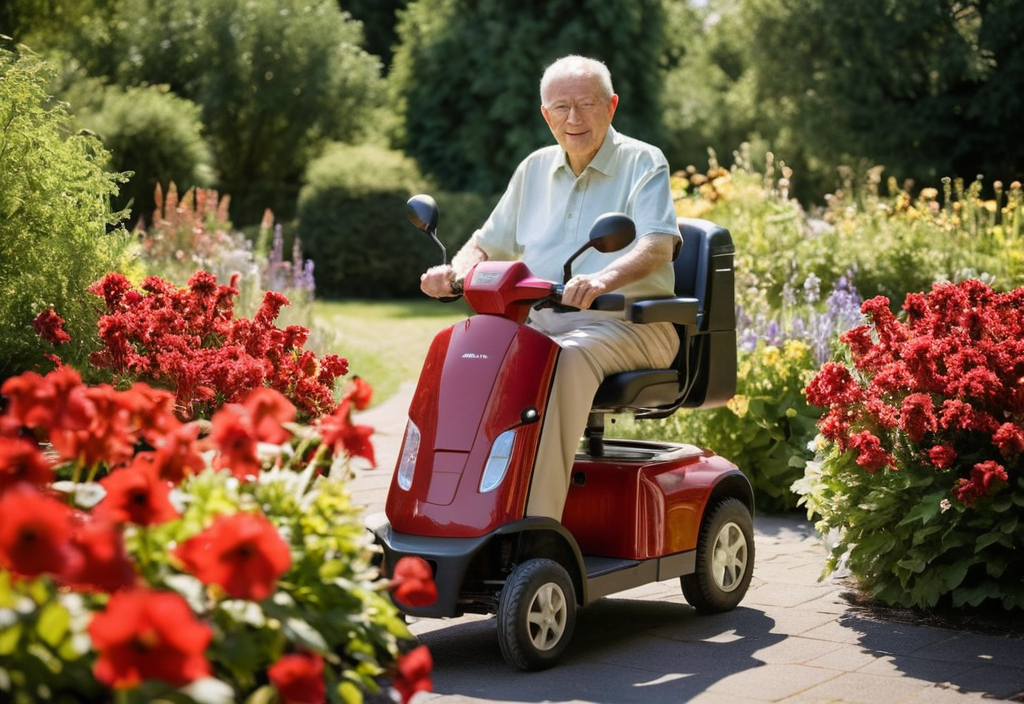
Prairie climate extreme temperature management
Prairie climates present the most extreme temperature variations in North America, with seasonal ranges exceeding 140°F between winter lows and summer highs. Winnipeg recorded a temperature span from -31°F to 98°F during 2024, creating unprecedented challenges for equipment operation and user comfort.
All-season adaptability requirements
Equipment designed for prairie climates must function reliably across the full temperature spectrum. This requires battery systems with extended operating ranges, heating elements for cold weather operation, and cooling systems for extreme heat conditions.
Thermal management systems automatically adjust operating parameters based on ambient temperature conditions. These systems prevent battery damage from temperature extremes while maintaining optimal performance across the full seasonal range.

Extended Range Mobility Scooter
Price: see current price on Amazon
Features 15-45 mile range with variable battery configurations and rotating seat for wind protection. Compact design handles prairie terrain while maintaining comfort in extreme temperature swings.
Considerations: Extended range comes with increased weight and complexity for battery management.
Buy on AmazonWind resistance and stability solutions
Prairie winds regularly exceed 40 mph, creating significant stability and battery drain challenges. Aerodynamic bodywork reduces wind resistance and extends battery range during windy conditions. Low-profile designs minimize wind loading while maintaining adequate ground clearance for varied terrain.
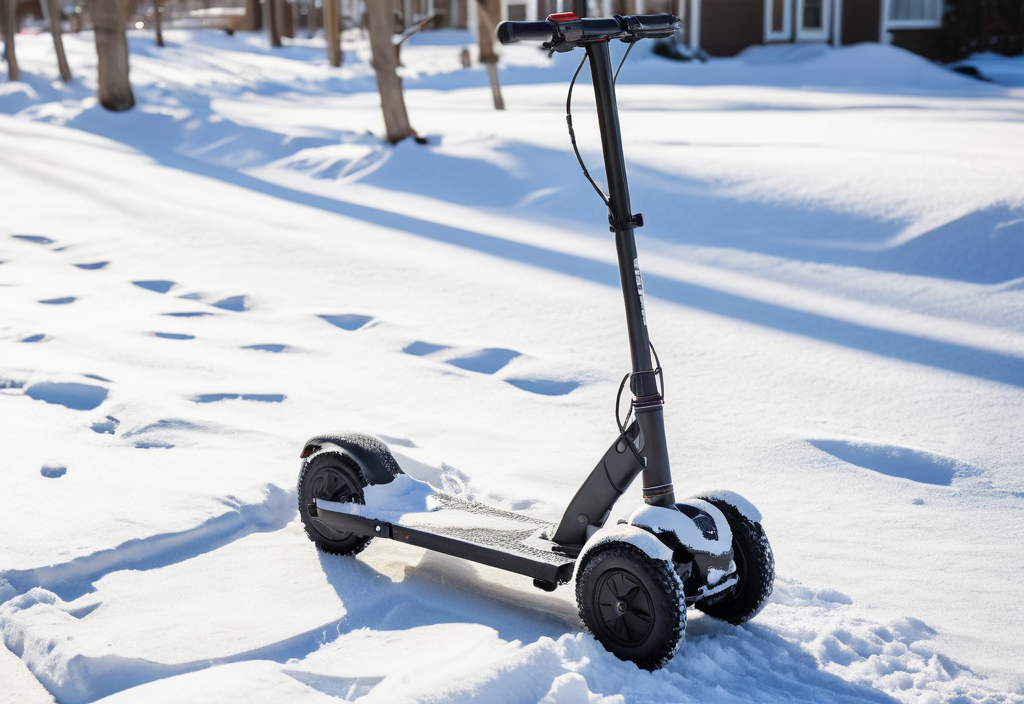
Gyroscopic stability systems automatically adjust wheel loading to counteract crosswind effects. These systems prove particularly valuable during long-distance travel across open prairie terrain where wind shelter is unavailable.
Seasonal storage and transition strategies
Extreme seasonal variations require specialized storage protocols for equipment longevity. Climate-controlled storage maintains optimal battery health during extended winter storage periods. Seasonal maintenance schedules adapt to the unique wear patterns created by extreme temperature cycling.
Transition period maintenance becomes critical during spring and fall temperature swings. Complete maintenance schedules ensure reliable operation across seasonal transitions that can span temperature ranges of 60°F or more within days.
Terrain-specific tire and suspension optimization
Terrain conditions vary dramatically across climate zones, requiring specific tire and suspension configurations for optimal performance. Desert sand, Pacific Northwest hills, Great Lakes ice, Maritime coastlines, and Prairie grasslands each demand unique mechanical solutions.
Tire selection by regional terrain type
Desert terrain requires wide, low-pressure tires that float over sand while providing cooling airflow to wheel components. Aggressive tread patterns channel sand away from the contact patch, preventing buildup that reduces traction and increases rolling resistance.
Pacific Northwest conditions demand tires with deep grooves and silica-enhanced compounds for wet weather traction. The combination of steep grades and wet surfaces requires maximum grip without sacrificing durability on abrasive pavement surfaces.
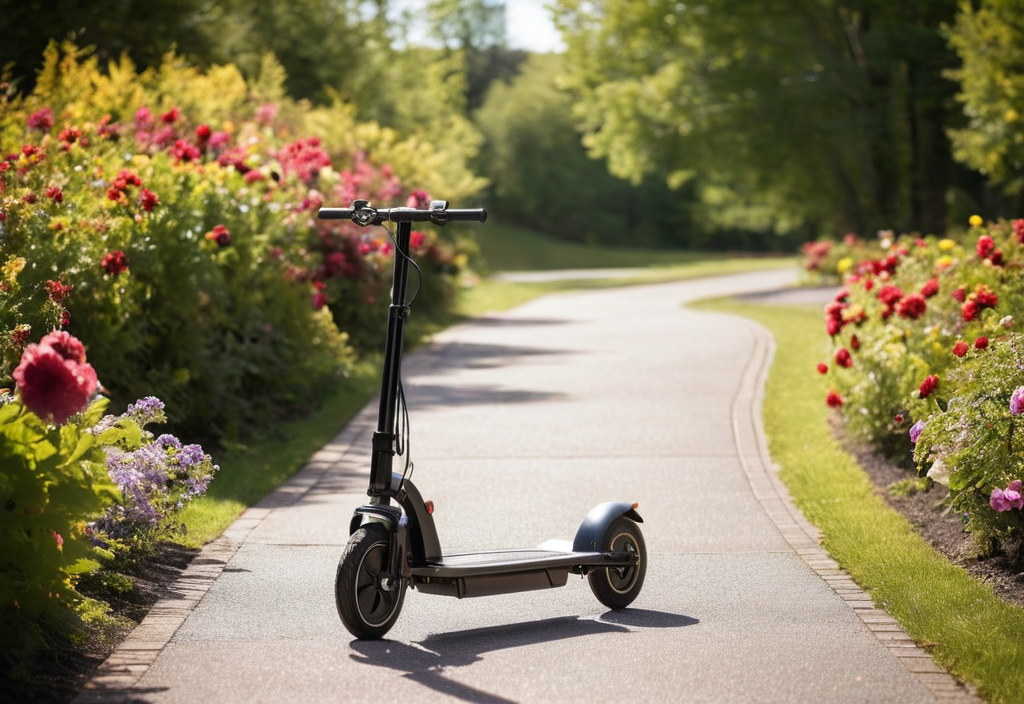
Great Lakes winter conditions benefit from studded tire options or tire chains for emergency ice navigation. Summer tire changeovers restore optimal pavement performance during warmer months when ice is not a concern.
Maritime environments require corrosion-
Related buying guides: 4-Wheel Scooters, Scooters for Seniors, 3-Wheel Scooters, and the full catalog and mobility statistics.