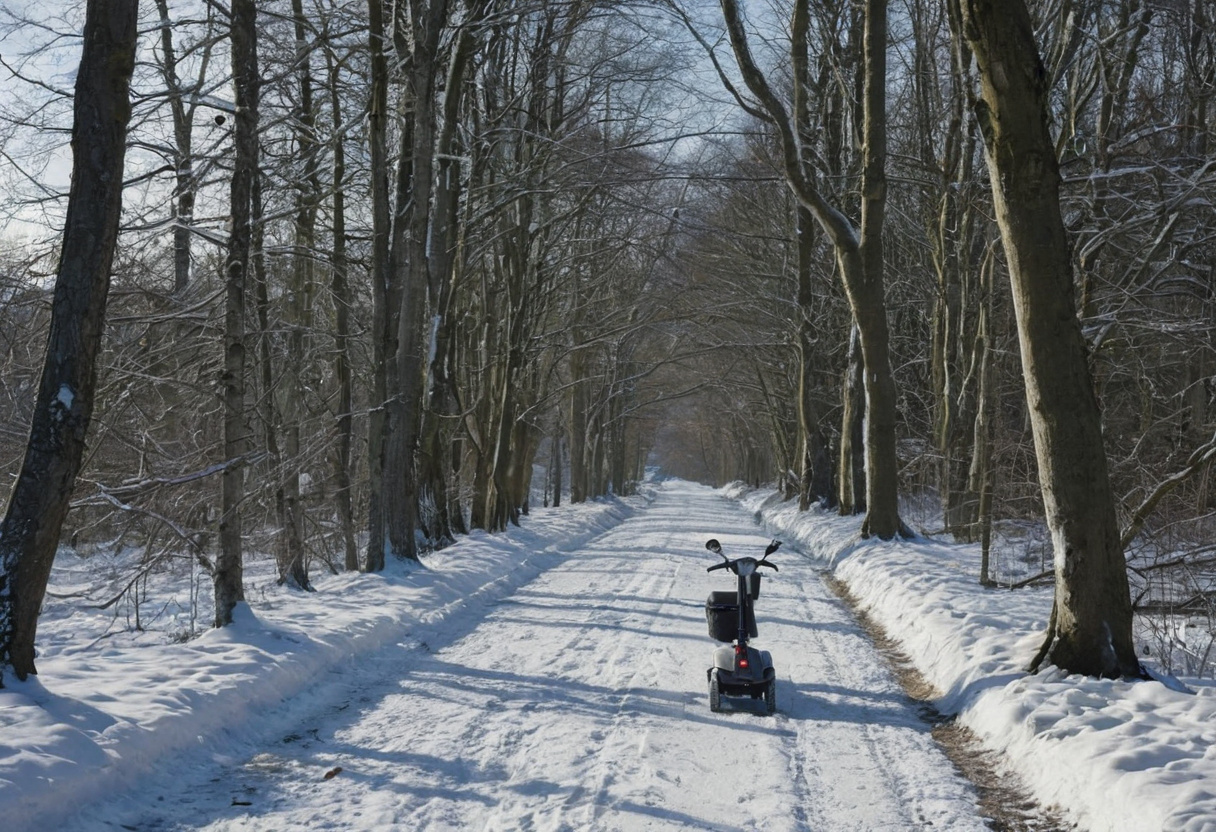
Last winter, Sarah watched through her frosted window as her mobility scooter sat unused in her garage, its battery drained and tires slipping on the icy driveway. Like thousands of users across North America, she faced the harsh reality that winter weather transforms reliable mobility devices into potential safety hazards. The combination of freezing temperatures, snow accumulation, and icy surfaces creates a perfect storm of challenges that can strand users indoors for months. This comprehensive guide reveals the proven strategies, essential accessories, and expert techniques that will keep you safely mobile throughout the harshest winter conditions, ensuring your independence doesn’t hibernate when temperatures drop.
The hidden winter threats your scooter faces
Winter weather attacks mobility scooters on multiple fronts, creating dangers that many users discover only when it’s too late. Battery performance drops dramatically in cold temperatures, with lithium-ion batteries losing up to 20% of their capacity at 32°F and lead-acid batteries suffering even greater reductions. The National Weather Service reports that 2024 saw record-breaking winter storms across 15 US states and 8 Canadian provinces, leaving mobility device users particularly vulnerable.

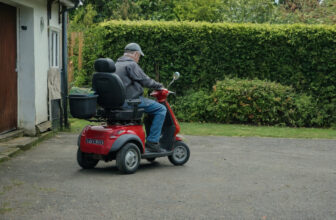
This Photo was taken by Harrison Haines.
Moisture infiltration presents another critical threat. Snow and slush can penetrate electrical components through seemingly sealed connections, causing short circuits and permanent damage. The freeze-thaw cycles common in transitional seasons create particularly hazardous conditions, as water expands when frozen, potentially cracking housing materials and compromising waterproof seals.
Traction loss on icy surfaces represents the most immediate safety concern. Standard mobility scooter tires, designed for dry pavement, become virtually useless on snow and ice. According to the CDC, weather-related accidents increase by 300% during winter months, with mobility device users experiencing disproportionately higher incident rates.
| Temperature Range | Battery Capacity Loss | Typical Range Reduction | Recommended Action |
|---|---|---|---|
| 50°F to 32°F | 10-15% | 2-3 miles | Monitor charge levels |
| 32°F to 10°F | 20-30% | 4-6 miles | Reduce trip length |
| Below 10°F | 35-50% | 7-10 miles | Indoor storage mandatory |
Understanding cold weather battery chemistry
Battery performance degradation in cold weather occurs due to fundamental chemical processes. As temperatures drop, the electrolyte solution becomes more viscous, slowing ion movement between electrodes. This increased internal resistance reduces both voltage output and overall capacity. Lithium-ion batteries handle cold better than lead-acid alternatives, but both suffer significant performance losses.
Essential winter weatherproofing strategies
Effective weatherproofing requires a multi-layered approach that protects both electrical components and mechanical systems. Start with a high-quality scooter cover designed specifically for winter conditions. Look for covers made from marine-grade vinyl with sealed seams and reinforced stress points. The cover should extend below the deck to protect the battery compartment and electrical connections.
Journey Adventure Mobility Scooter

Rating: 4.7/5 ⭐⭐⭐⭐⭐
Price: $999.00
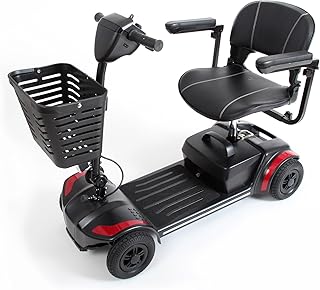
Lightweight electric travel scooter perfect for winter weather with enhanced weatherproofing features. Ideal for seniors who need reliable transportation in challenging conditions.
Cons: Limited range in extreme cold temperatures
Apply dielectric grease to all electrical connections before winter arrives. This specialized lubricant repels moisture and prevents corrosion, maintaining reliable electrical contact even in harsh conditions. Pay particular attention to charging ports, controller connections, and any exposed wiring harnesses.
Critical waterproofing checkpoints
Inspect and seal the battery compartment using marine-grade caulk around access panels. Replace any cracked or missing rubber gaskets on the controller housing. Test all seals by gently spraying water around connection points while the scooter is powered off. Any water infiltration indicates areas requiring immediate attention.
Consider installing additional drain plugs in the deck if your scooter lacks adequate water evacuation. Standing water in the battery compartment during freeze-thaw cycles can cause catastrophic damage. Professional maintenance services can install these modifications safely without voiding warranties.
Advanced traction enhancement solutions
Standard mobility scooter tires provide minimal traction on snow and ice, making specialized winter tires or traction aids essential for safe operation. Pneumatic winter tires designed for mobility scooters feature deeper tread patterns and softer rubber compounds that remain flexible in cold temperatures.

This Photo was taken by Margarita.
Tire chains represent the most effective traction enhancement for severe winter conditions. Choose chains specifically designed for mobility scooter wheels, as automotive chains are too heavy and can damage lighter scooter drivetrains. Proper chain installation requires practice, so familiarize yourself with the process before winter weather arrives.
Alternative traction solutions
For users who cannot install tire chains, traction mats provide portable ice and snow grip. These lightweight mats deploy quickly under drive wheels when you encounter slippery conditions. Quality mats feature aggressive tread patterns and fold compactly for storage in scooter baskets.
All Terrain Heavy-Duty 4 Wheel Mobility Scooter

Rating: 5/5 ⭐⭐⭐⭐⭐
Price: $2,298.00
Heavy-duty all-terrain scooter built for challenging weather conditions with superior traction control and robust construction for winter reliability.
Cons: Higher price point and increased weight
Studded tires offer excellent ice traction but require careful consideration. While highly effective on ice, studs can damage indoor flooring and are prohibited in some jurisdictions. Check local regulations before installing studded tires, and consider removable stud systems that allow seasonal adjustments.
Professional battery management in freezing conditions
Effective winter battery management starts with understanding that cold weather affects different battery types differently. Lead-acid batteries suffer more severe capacity loss and can freeze if discharged below 50% capacity. Lithium-ion batteries maintain performance better but still require careful temperature management.
Never charge batteries in temperatures below 32°F, as this can cause permanent damage through lithium plating or lead sulfation. If your scooter has been outside in freezing temperatures, bring it indoors and allow batteries to warm to room temperature before charging. This process typically takes 2-4 hours depending on battery size and ambient temperature.
Advanced charging strategies for winter
Implement a winter charging routine that maximizes battery life and performance. Charge batteries to 100% before cold weather exposure, as fully charged batteries resist freezing better than partially charged ones. During extended cold periods, charge batteries every two weeks even if the scooter isn’t used, as self-discharge rates increase in cold conditions.

This Photo was taken by Elena Golovchenko.
Consider investing in a battery warmer or thermal blanket for extreme climates. These devices maintain optimal battery temperature during storage and can significantly extend winter performance. Quality battery warmers include thermostats that prevent overheating while maintaining ideal operating temperatures.
Emergency battery management techniques
When caught outdoors with a cold-depleted battery, resist the temptation to immediately charge upon returning indoors. Rapid temperature changes can damage battery cells through thermal shock. Instead, allow gradual warming in a temperature-controlled environment before initiating charging cycles.
For users in consistently cold climates, removable battery packs offer the best solution. Compact foldable models often feature removable batteries that can be stored and charged indoors while the scooter remains in unheated storage.
Strategic indoor storage solutions
Proper indoor storage extends scooter life and ensures reliable winter performance. The ideal storage environment maintains temperatures between 50-70°F with humidity levels below 60%. Basements often provide suitable conditions, but avoid areas prone to flooding or excessive moisture.
MOVEMAGIC 30 Miles Long Range 4 Wheel Electric Mobility Scooter

Rating: 4.6/5 ⭐⭐⭐⭐⭐
Price: $599.00
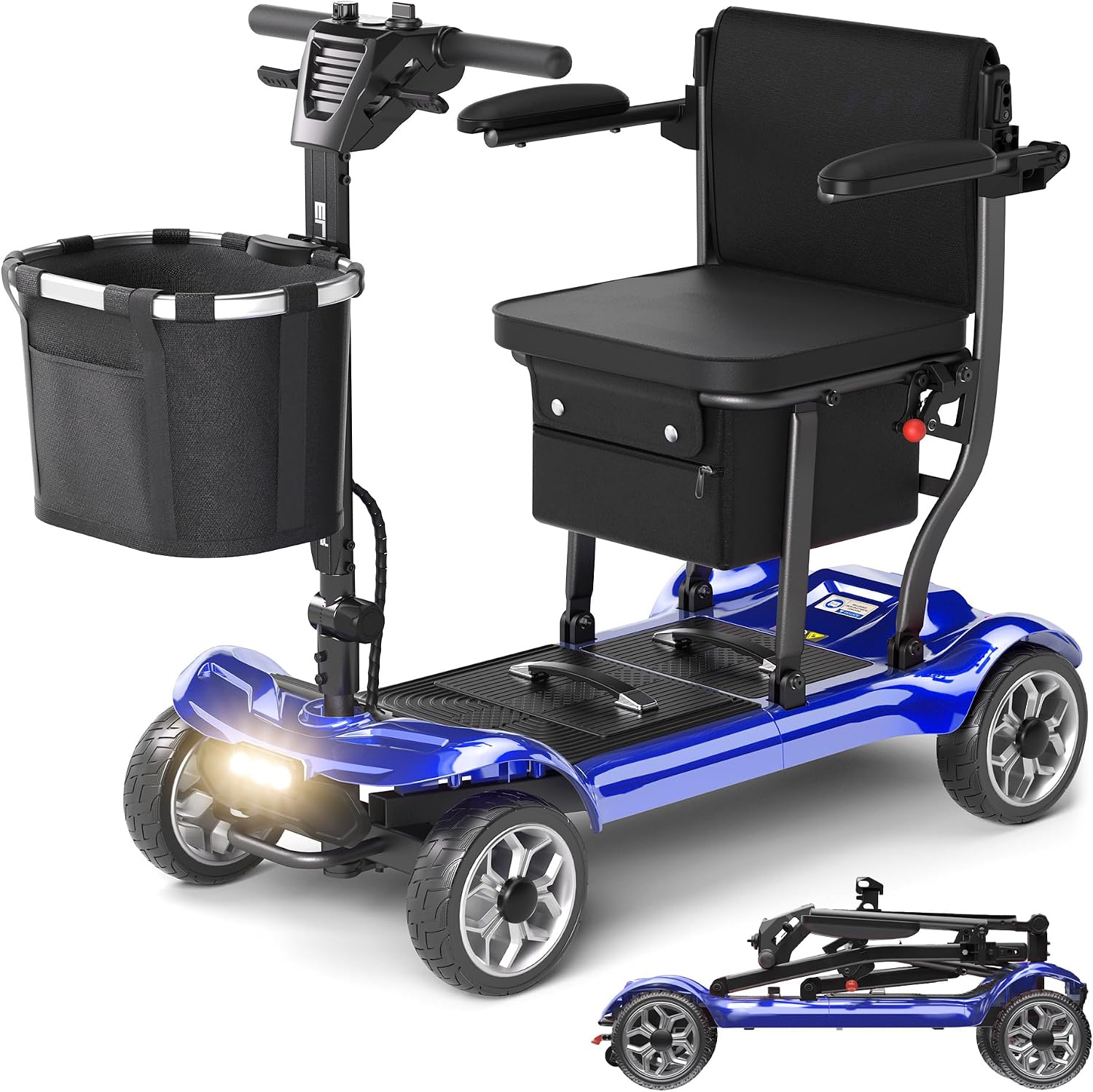
Foldable design perfect for indoor storage with 30-mile range and 720Wh lithium battery. Features dual baskets and FSA/HSA eligibility for convenient winter mobility.
Cons: May require frequent charging in cold weather
Clean your scooter thoroughly before winter storage, paying special attention to salt and chemical residue from treated roads. These corrosive substances continue damaging metal components throughout storage periods. Use automotive wax on painted surfaces to provide additional protection against moisture and temperature fluctuations.
Space-efficient storage arrangements
Maximize limited indoor space through strategic storage arrangements. Wall-mounted charging stations keep batteries maintained while freeing floor space. Overhead pulley systems allow seasonal storage of lightweight scooters in garage spaces. Home accessibility modifications can create dedicated storage areas that serve multiple functions throughout the year.
Consider rotating seasonal accessories to maintain organization. Store summer cooling accessories during winter months, replacing them with winter traction aids and weatherproofing equipment. Labeled storage containers prevent confusion and ensure quick access to needed items.
Winter operation safety protocols
Safe winter scooter operation requires modified techniques and heightened awareness. Reduce normal operating speeds by 25-50% on snow or ice-covered surfaces. This speed reduction allows more reaction time for sudden traction loss while reducing the severity of potential accidents.

This Photo was taken by Masood Aslami.
Plan routes carefully, avoiding steep inclines and areas prone to ice formation. Shaded areas, bridge surfaces, and building overhangs create microclimates where ice persists longer than surrounding areas. Accident prevention strategies become critical during winter months when environmental hazards multiply.
Emergency preparedness for winter travel
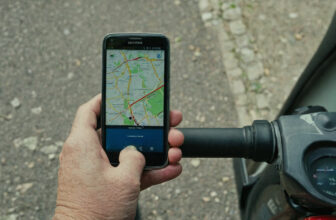
Carry emergency supplies appropriate for winter conditions. Include a fully charged cell phone, emergency blanket, high-visibility vest, and small shovel for clearing snow from paths. Inform others of your planned route and expected return time when venturing out in questionable weather.
Develop backup transportation arrangements for severe weather days. Alternative mobility solutions might include rideshare services, public transportation with accessibility features, or arrangements with family and friends.
Understanding winter weather patterns
Monitor weather forecasts closely during winter months, paying attention to temperature trends, precipitation timing, and wind conditions. The National Weather Service provides detailed forecasts that help plan mobility needs around weather windows. Understand that conditions can change rapidly during winter storms, making flexible planning essential.
Choosing winter-ready mobility scooter models
When selecting a mobility scooter for cold climate use, prioritize models with superior weatherproofing and cold-weather performance features. Look for scooters with sealed electrical compartments, corrosion-resistant frames, and lithium-ion battery systems that handle temperature variations better than lead-acid alternatives.
MIHAYO 4 Wheel Foldable Mobility Scooter

Rating: 4.6/5 ⭐⭐⭐⭐⭐
Price: $599.98
Ultra-lightweight 8lb design with 25-mile range and 600WH battery system. Compact foldable frame ideal for winter storage and seasonal transportation needs.
Cons: Light weight may reduce stability in windy conditions
Four-wheel configurations provide better stability on uneven winter surfaces compared to three-wheel models. The wider wheelbase distributes weight more evenly and reduces the likelihood of tipping on snow-covered curbs or uneven pavement. Heavy-duty models often feature enhanced weather protection as standard equipment.
Advanced features for cold weather operation
Modern mobility scooters increasingly include features specifically designed for challenging weather conditions. Heated seats and hand grips improve user comfort during cold weather operation. LED lighting systems with enhanced visibility help other pedestrians and vehicles notice scooters in low-light winter conditions.
Regenerative braking systems, common in newer electric models, provide additional control on slippery surfaces while helping maintain battery charge during cold weather operation. These systems convert braking energy back to the battery, partially offsetting the capacity losses from cold temperatures.
Regional considerations for USA and Canada users
Climate variations across North America require region-specific preparation strategies. Users in the Great Lakes region face lake-effect snow that creates rapidly changing conditions and extreme accumulations. Prairie provinces experience sustained cold periods with wind chill factors that can affect both equipment and user safety.
Coastal areas deal with freeze-thaw cycles that create icy conditions even when temperatures remain above freezing. Mountain regions face elevation-related challenges where weather conditions change dramatically over short distances. Understanding your specific regional climate patterns helps tailor winter preparation strategies for maximum effectiveness.
Local resource utilization
Many communities provide winter mobility assistance programs for residents with disabilities. Contact local senior centers, disability advocacy organizations, and municipal offices to learn about snow removal services, accessible transportation options, and emergency assistance programs. Community engagement strategies become particularly important during winter months when isolation risks increase.
Establish relationships with local mobility equipment dealers who understand regional climate challenges. These professionals can recommend specific accessories, maintenance schedules, and modifications that work best in your area’s typical winter conditions.
Long-term maintenance scheduling for cold climates
Cold climate operation accelerates wear on mobility scooter components, requiring adjusted maintenance schedules. Increase tire inspections to monthly intervals during winter months, checking for cold-weather cracking and tread wear from traction aids. Professional maintenance schedules should account for accelerated component aging in harsh climates.
Lightweight Folding WheelWavi Mobility Scooter

Rating: 5/5 ⭐⭐⭐⭐⭐
Price: $799.99
Ultra-portable 47lb design with removable 24V lithium battery perfect for winter indoor storage. Includes storage basket and charger for complete mobility solution.
Cons: Smaller battery capacity limits range in cold weather
Plan for increased battery replacement frequency in cold climates. Batteries typically last 20-30% shorter periods when regularly exposed to freezing temperatures. Budget for replacement batteries and consider purchasing backup units to avoid mobility interruptions during winter months.
Spring preparation and equipment assessment
Develop a comprehensive spring inspection routine to assess winter damage and prepare for seasonal transition. Remove salt residue using fresh water rinse followed by thorough drying. Inspect all rubber seals and gaskets for cold-weather damage, replacing compromised components before they fail during the next winter season.
Document any issues discovered during winter operation to inform preparation strategies for subsequent years. This documentation helps identify patterns and anticipate replacement needs, reducing emergency repairs and improving overall reliability.
Technology innovations enhancing winter performance
Recent technological advances specifically address cold weather challenges for mobility scooter users. Smart charging systems automatically adjust charging parameters based on battery temperature