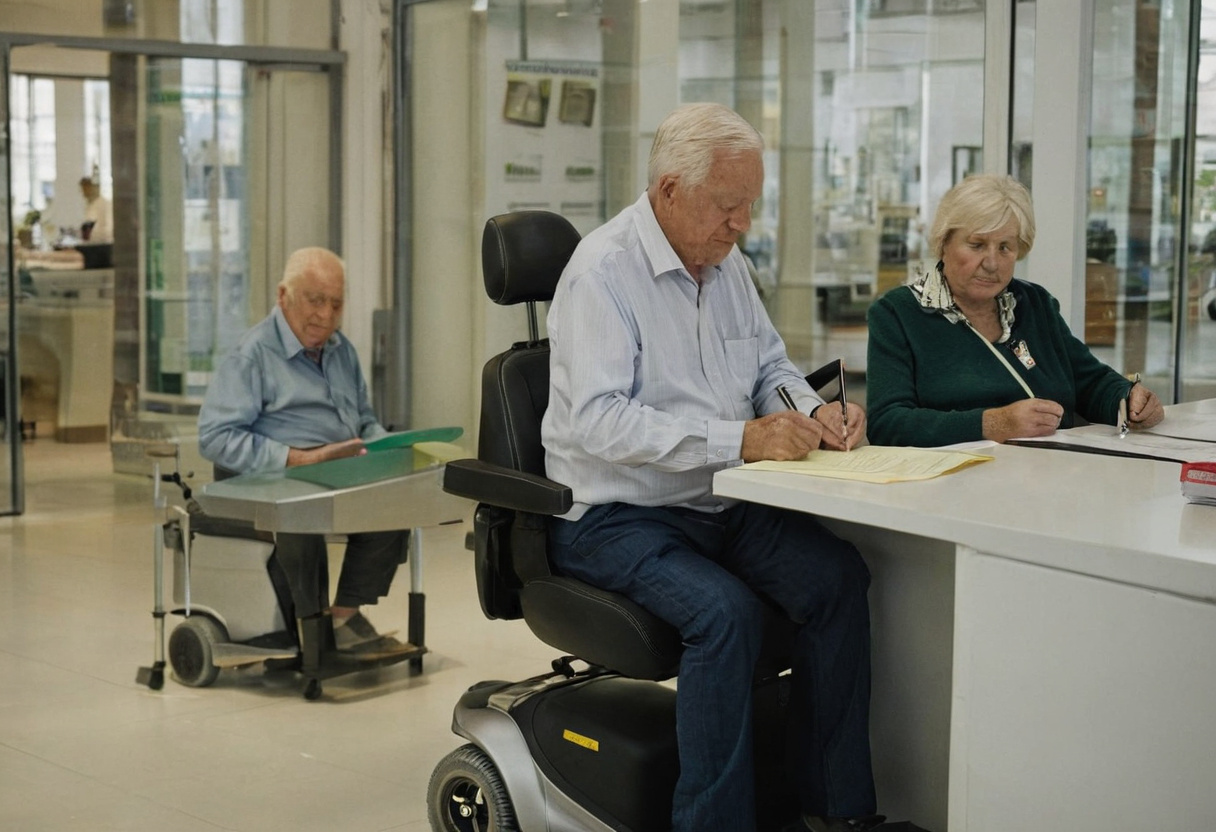
The sticker shock hits hard when you start shopping for mobility scooters. A quality model can cost anywhere from $1,200 to $8,000, and that’s before you factor in accessories, maintenance, and potential repairs. For many people who need these life-changing devices, the upfront cost creates a frustrating barrier to independence. But here’s what the industry doesn’t always advertise clearly: you have more financing options, payment plans, and assistance programs than you might realize. From zero-interest monthly payments to substantial government subsidies, tax deductions that can save you hundreds, and budget-friendly models that don’t compromise on quality, there are multiple pathways to affordable mobility scooter ownership in 2025. This comprehensive guide reveals every financing strategy, payment option, and cost-saving opportunity available to USA and Canada residents.
Breaking down the real cost barriers
Understanding mobility scooter pricing helps you make informed financing decisions. Entry-level portable models typically range from $1,200 to $2,500, while mid-range models with enhanced features cost $2,500 to $4,500. Heavy-duty bariatric models can reach $8,000 or more due to their specialized engineering and higher weight capacities.
The total cost of ownership extends beyond the initial purchase price. Annual maintenance typically runs $200-$400, battery replacement every 12-24 months costs $150-$400, and insurance may add another $100-$300 per year. These ongoing expenses make financing particularly attractive for budget-conscious buyers.
| Scooter Category | Price Range (USD) | Typical Features | Best Financing Options |
|---|---|---|---|
| Portable/Travel | $1,200 – $2,500 | Lightweight, foldable, basic range | Credit cards, personal loans |
| Mid-Range | $2,500 – $4,500 | Enhanced comfort, longer range | Manufacturer financing, medical loans |
| Heavy-Duty | $4,500 – $8,000+ | High weight capacity, advanced features | Insurance coverage, extended payment plans |

This Photo was taken by Nataliya Vaitkevich.
Understanding the hidden costs
Smart buyers factor in additional expenses that can impact your financing needs. Delivery and setup fees range from $50-$200, depending on your location and the retailer’s policies. Extended warranties, while optional, provide peace of mind for $200-$500 annually. Accessories like weather covers, additional batteries, and cold weather protection accessories can add $300-$800 to your total investment.
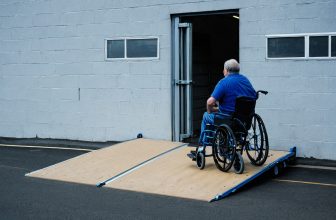
Home modifications present another cost consideration. Accessibility modifications like ramps and doorway widening may require $1,000-$5,000 in improvements, though these modifications often qualify for separate financing programs and tax credits.
Manufacturer financing programs that actually work
Major mobility scooter manufacturers offer sophisticated financing programs designed specifically for their products. These programs often provide better terms than traditional loans because the scooter serves as collateral, reducing the lender’s risk.
Pride Mobility, one of the largest manufacturers, offers 0% APR financing for qualified buyers on purchases over $1,500. Their programs typically require a 10-20% down payment and offer 12, 24, or 36-month payment terms. Golden Technologies provides similar programs with the added benefit of seasonal promotions that can include extended 0% periods during peak buying seasons.
MALISA Mobility Scooter Z-4
Long-range mobility scooter with super seat and 330 lbs capacity. Excellent value for extended daily use, though assembly can be time-consuming.
Price: $1,349.00 | Rating: 4.4/5
Third-party medical equipment financing
Specialized medical equipment lenders offer programs tailored to mobility device purchases. Companies like CareCredit, Synchrony Health, and Wells Fargo Health Advantage provide medical financing with promotional periods ranging from 6 to 60 months at 0% APR for qualified applicants.
These programs typically approve borrowers with fair credit scores (580+) and offer higher credit limits than standard credit cards. The application process takes minutes online, and approval decisions are often immediate. Interest rates after promotional periods range from 14.99% to 26.99%, making it crucial to pay off balances during the promotional window.
Government assistance programs you need to know about
Government programs provide substantial financial assistance for mobility equipment, though navigating the bureaucracy requires patience and persistence. Understanding eligibility requirements and application processes can save you thousands of dollars.

This Photo was taken by Tima Miroshnichenko.
Medicare and medicaid coverage strategies
Medicare Part B covers power-operated vehicles (mobility scooters) when prescribed by a doctor for in-home use. The key requirement is demonstrating that you have a mobility limitation that significantly impairs your ability to participate in activities of daily living within your home. Obtaining proper medical documentation and prescriptions is essential for approval.
Medicare typically covers 80% of the approved amount after you meet your Part B deductible. The approved amount is often lower than retail prices, so you may still owe several hundred to over a thousand dollars depending on the model. Understanding insurance coverage and claims processes helps maximize your benefits and minimize out-of-pocket costs.
Medicaid programs vary by state but often provide more comprehensive coverage than Medicare. Some states cover the full cost of approved mobility scooters, while others require small copayments. Dual-eligible beneficiaries (those with both Medicare and Medicaid) typically receive the most comprehensive coverage.
Veterans affairs benefits
Veterans with service-connected disabilities or qualifying income levels can receive mobility scooters through the VA at no cost. The VA’s Prosthetic and Sensory Aids Service provides comprehensive mobility equipment, including maintenance and repairs.
Eligible veterans must demonstrate medical need through VA healthcare providers. The process typically takes 30-90 days from evaluation to delivery, depending on the complexity of needs and local VA facility capacity.
Metro Mobility 4 Wheel Foldable Scooter
Compact design with 300 lbs capacity and LED lights. Great for urban environments, though range may be limited for longer trips.
Price: $849.99 | Rating: 4.4/5
Canadian provincial health programs
Canadian residents benefit from provincial Assistive Devices Programs (ADP) that provide partial funding for mobility equipment. Ontario’s ADP covers 75% of approved mobility scooter costs up to $2,600, while British Columbia’s At-Home Program provides up to $1,000 for mobility aids.
Each province maintains different eligibility criteria and funding levels. Quebec’s RAMQ program offers comprehensive coverage for residents with permanent mobility limitations, while Alberta’s Aids to Daily Living program provides sliding-scale coverage based on income levels.
Tax deduction and credit strategies that save money
The Internal Revenue Service and Canada Revenue Agency recognize mobility scooters as qualifying medical expenses, opening several tax-saving opportunities that many buyers overlook.

This Photo was taken by Mikhail Nilov.
Medical expense deductions
In the United States, mobility scooters prescribed by physicians qualify as deductible medical expenses under IRS rules. You can deduct the portion of total medical expenses that exceeds 7.5% of your adjusted gross income. For a person with $40,000 annual income, medical expenses over $3,000 become deductible.
Deductible expenses include the scooter purchase price, accessories prescribed for medical use, modifications to accommodate the device, maintenance costs, and repairs. Keep detailed records including prescription documentation, receipts, and medical justification for all expenses.
Canadian taxpayers can claim mobility scooters under the Medical Expense Tax Credit (METC). The credit applies to eligible medical expenses exceeding the lesser of $2,635 or 3% of net income. Unlike the U.S. system, Canada’s credit directly reduces taxes owed rather than reducing taxable income.
Disability tax credit benefits
The Disability Tax Credit (DTC) in Canada provides additional tax relief for individuals with severe mobility impairments. Approved DTC recipients can claim the disability amount ($8,870 in 2025) as a non-refundable tax credit, potentially saving over $1,300 annually in federal taxes alone.
DTC approval also opens access to the Registered Disability Savings Plan (RDSP), which provides government matching contributions and grants. While not directly related to scooter financing, these programs significantly improve overall financial flexibility for disability-related expenses.
Smart shopping for budget-friendly models
Finding quality mobility scooters at affordable prices requires strategic shopping and understanding which features provide the best value for your specific needs. Comparing rental versus purchase options helps determine the most cost-effective approach for your situation.
Entry-level models from reputable manufacturers offer excellent value without compromising safety or basic functionality. Look for models with essential features like reliable braking systems, comfortable seating, adequate battery range for your daily needs, and solid customer support networks.
Three Wheel Portable Mobility Scooter
Aircraft-grade aluminum construction with 13-mile range and airline approval. Lightweight and foldable, though three-wheel design may feel less stable for some users.
Price: Contact for pricing | Rating: 4.4/5
Certified pre-owned and refurbished options
The used mobility scooter market offers substantial savings for budget-conscious buyers. Certified pre-owned programs from major manufacturers provide warranties and quality assurance while reducing costs by 30-50% compared to new models.
Refurbished scooters from reputable dealers undergo comprehensive inspections and component replacements. These units often include 90-day to one-year warranties and can provide years of reliable service at significant savings. Portable and foldable models retain their value well, making them excellent candidates for the pre-owned market.
Seasonal sales and promotional timing
Strategic timing can save hundreds on mobility scooter purchases. Major retailers typically offer their best deals during Medicare’s Annual Open Enrollment Period (October 15 – December 7) when demand peaks and manufacturers provide promotional pricing to capture market share.
End-of-model-year sales in late summer and early fall offer opportunities to purchase previous year models at reduced prices. These units provide identical functionality to newer models but cost 15-25% less due to model year changes that are often purely cosmetic.
Ultra Lightweight Folding Electric Scooter
22-mile range with dual lithium batteries and airline approval. Excellent for active users, though premium features come at a higher price point.
Price: $1,799.00 | Rating: 4.4/5
Alternative payment strategies and creative financing
Beyond traditional financing, several alternative strategies can make mobility scooters more affordable. These approaches often provide flexibility that standard loans cannot match.

This Photo was taken by Tima Miroshnichenko.
Rent-to-own programs
Rent-to-own programs allow immediate access to mobility scooters without large upfront payments. While total costs typically exceed traditional purchase prices, these programs provide accessibility for individuals who cannot qualify for standard financing or need immediate mobility solutions.
Most rent-to-own agreements offer weekly or monthly payment options with the opportunity to purchase the unit early for reduced total costs. Some programs include maintenance and repairs in the rental fee, potentially saving money compared to ownership responsibilities.
Healthcare savings accounts
Health Savings Accounts (HSAs) and Flexible Spending Accounts (FSAs) provide tax-advantaged ways to pay for mobility scooters. HSA funds can accumulate over time with no use-it-or-lose-it restrictions, making them ideal for planning major medical equipment purchases.
FSA funds must be used within the plan year (with possible grace periods or carryover options), but provide immediate tax savings on mobility scooter purchases. Both account types can be used for related expenses like accessories, maintenance, and home modifications.
Crowdfunding and community support
Online crowdfunding platforms like GoFundMe, GiveForward, and medical-specific fundraising sites help individuals raise money for mobility equipment. Successful campaigns typically raise $1,500-$4,000, though results vary widely based on social network size and campaign presentation.
Local community organizations, religious institutions, and service clubs often provide assistance for medical equipment needs. Rotary Clubs, Lions Clubs, and faith-based organizations frequently maintain funds specifically for helping community members acquire necessary medical devices.
Building your personalized financing strategy
Creating an effective financing plan requires assessing your specific financial situation, medical needs, and long-term mobility goals. The optimal approach combines multiple strategies to minimize total costs while ensuring you get the right equipment.
Start by determining your total budget including not just the scooter cost but also accessories, maintenance, insurance, and potential home modifications. Understanding maintenance costs and schedules helps you budget for long-term ownership expenses.
Comparing financing options effectively
When evaluating financing options, consider the total cost of ownership, not just monthly payments. A longer-term loan with lower monthly payments may cost more over time due to interest charges. Calculate the total amount paid over the loan term to make accurate comparisons.
Factor in your insurance coverage, potential tax benefits, and any government assistance you may qualify for. These benefits can significantly reduce your out-of-pocket costs and change which financing option provides the best value.
Pride Go-Go Sport 3 Wheel Scooter
Trusted brand with proven reliability and comprehensive dealer network. Higher price reflects quality construction, though some users prefer four-wheel stability.
Price: $1,572.00 | Rating: 4.4/5
Timeline planning for optimal savings
If you have flexibility in timing your purchase, plan strategically to maximize savings. Apply for insurance coverage or government assistance programs well in advance, as approval processes can take 30-90 days or longer.
Time your purchase to coincide with tax planning opportunities. Making purchases near year-end allows you to claim medical expense deductions on the current year’s taxes, providing faster financial relief.
Consider seasonal factors that might affect your needs. Summer heat performance considerations might influence your choice between air-cooled and liquid-cooled models, while regional climate factors affect which features provide the best long-term value.
Frequently asked questions about mobility scooter financing
What credit score do I need for mobility scooter financing?
Most specialized medical equipment lenders approve applicants with credit scores as low as 580. Traditional bank loans typically require scores of 650 or higher. Many manufacturers offer financing programs with more flexible credit requirements than standard consumer loans.
Can I use Medicare to finance a mobility scooter purchase?
Medicare Part B covers mobility scooters prescribed for in-home use, typically paying 80% of the approved amount after your deductible. You remain responsible for the remaining 20% plus any amount above Medicare’s approve