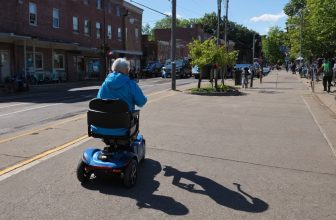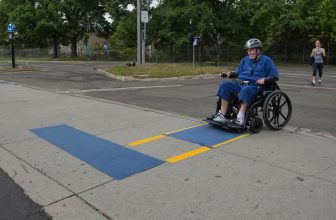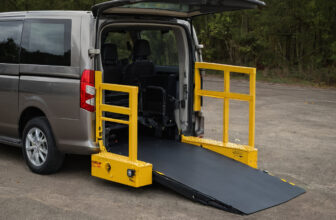
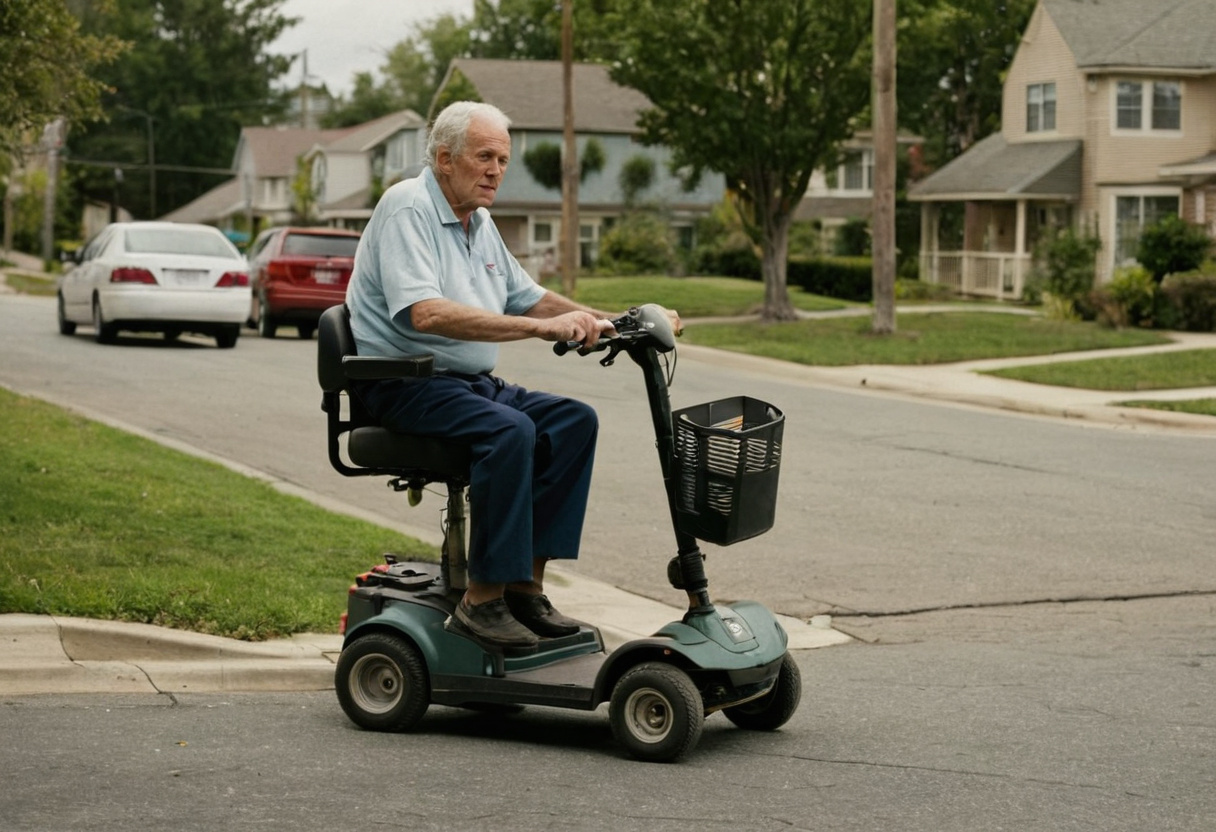
Four situations account for most mobility scooter injuries, and none of them is the scooter failing: turning too sharply, crossing a slope sideways, meeting a curb at an angle, and a scooter that moved during a transfer. The habits that prevent them are equally specific. Slow down before the turn rather than during it, take slopes straight up and straight down, square up to every curb, and power the scooter off before you stand.
- The U.S. FDA’s MAUDE database holds about 375 mobility-scooter adverse-event reports (vs ~1,556 for power wheelchairs), with only 2 scooter recalls, so serious device failures are rare.
- Most incidents involve tips, falls and curbs rather than mechanical failure, which is why stability, visibility and safe riding habits matter most.
Sources: U.S. FDA MAUDE adverse-event database.
A mobility scooter gives you freedom to get where you want to go, and the good news is that most incidents have nothing to do with the machine breaking down. The far more common causes are tips on turns and slopes, curbs taken the wrong way, and slips during transfers, and every one of those is something you can prevent with a few steady habits.
Why most incidents happen (and it isn’t the scooter)
It’s easy to worry that a scooter will suddenly fail, but that’s rarely what sends someone to the ground. In everyday use, the trouble spots are almost always the same handful of situations:
- Tipping on turns or slopes. Turning too sharply while moving, or crossing a hill sideways, shifts your weight past the wheelbase and the scooter can lean or tip.
- Curbs taken at an angle. Hitting a curb, lip, or threshold on the diagonal lets one front wheel climb while the other stays low, which is a classic way to lose balance.
- Falls during transfers. Getting on or off while the scooter is unlocked, or reaching for something just out of range, is one of the most common ways people slip.
- Being hard for drivers to see. You sit lower than a car driver expects, so at crossings, driveways, and parking lots you can be easy to miss.
Notice the pattern: these are about how the scooter is used, not whether it works. That’s encouraging, because it means better habits do most of the safety work for you.

Ultra Lightweight Folding Mobility Scooter
Rating: ⭐⭐⭐⭐⭐ 4.8/5 | Price: see current price on Amazon
Airport-approved 37.5 lbs scooter with 275 lbs capacity and all-terrain capabilities. Perfect for travel but limited battery range for extended outdoor use.
Buy on AmazonHandling turns, slopes, and curbs
Slow down before you turn, not during it. Take corners at a gentle, walking pace and steer smoothly rather than jerking the tiller. On any incline, go straight up or straight down, never across the face of a slope, where sideways weight invites a tip. If a hill feels steeper than you’re comfortable with, look for a gentler route.
Curbs deserve special care. Use curb cuts and ramps whenever they exist. When you must cross a lip or threshold, approach it square, meaning head-on at a right angle, so both front wheels meet the edge together. Keep your speed low, stay centered in your seat, and don’t lean forward or to the side as you climb. Cross tram tracks, grates, and expansion gaps straight on too, since angled ridges can grab a wheel.

Heavy Duty Long Range Mobility Scooter
Rating: ⭐⭐⭐⭐⭐ 4.8/5 | Price: see current price on Amazon
500W motor with 16-32 mile range and 400-500 lbs capacity. Features off-road suspension and windbreak design, but may be challenging to transport due to size.
Buy on AmazonTransferring on and off safely
Most transfer falls come from a scooter that moved when it shouldn’t have. Before you stand or sit, put the scooter in park or power it off so it can’t roll, and make sure it’s on level ground. Position yourself close to your seat or chair, plant your feet, and use a stable handhold, a grab bar or a fixed surface, rather than the tiller or armrest, which can swing or give way.
Take it one movement at a time and don’t rush. If a transfer is difficult, it’s worth asking someone to steady you or talking to your provider about a transfer aid. Avoid stretching for dropped or distant objects from the seat; it’s safer to reposition the whole scooter than to lean out and overbalance.

Metro Electric Folding Mobility Scooter
Rating: Not rated | Price: see current price on Amazon
300 lbs capacity folding scooter with headlight and 4-wheel stability. Lightweight design sacrifices some durability, and limited user reviews make reliability assessment difficult.
Buy on AmazonBeing seen and staying visible
Because drivers aren’t always looking at scooter height, make yourself easy to spot. Wear bright or light-colored clothing in the day and something reflective at dusk or after dark, and keep any lights and reflectors clean and working. At crossings and driveways, make eye contact with drivers before you move, and wait until you’re sure a vehicle has actually stopped. In parking lots, assume a backing car can’t see you and give it plenty of room. Stick to sidewalks, paths, and marked crossings where you can, and cross only where you have a clear view in both directions.

Long Range Foldable Mobility Scooter
Rating: ⭐⭐⭐⭐⭐ 4.9/5 | Price: see current price on Amazon
23-mile range with dual batteries and airport approval for travel. All-terrain capabilities with excellent portability, though premium pricing may limit accessibility for budget-conscious users.
Buy on AmazonEveryday safe habits
- Do a quick check before you ride. A glance at tires, brakes, and battery charge, plus a clear seat and clipped-in belt if yours has one, takes a moment and prevents surprises.
- Match your speed to the setting. Slow and steady indoors, in crowds, and on rough or wet ground.
- Watch the weather and the surface. Rain, ice, gravel, wet leaves, and sand all reduce grip, so go slower or wait it out.
- Carry ID and a charged phone. Keep them on your body, not in a bag that could tip away, so help can reach you if you need it.
- Know your limits. If you’re tired, dizzy, or your medication makes you drowsy, it’s fine to wait.
What to do in an emergency
If you tip, fall, or get stuck, take a breath and stay calm first. Don’t hurry to get up. Check yourself for pain or injury before moving. If you’re hurt or can’t get up safely on your own, call for help using your phone and stay where you are; it’s better to wait for a hand than to risk a second fall. If you can, move yourself and the scooter out of the path of traffic. Tell a family member or caregiver what happened afterward, and have the scooter looked over before your next ride if it took a hard knock.
Accident prevention FAQ
Are mobility scooters dangerous?
Used with care, they’re a safe way to stay independent. The events that cause trouble are mostly preventable ones, tips, curbs and transfer slips, rather than the device failing. Steady speeds, squared-up curbs, and locking the scooter before you transfer remove most of the risk.
How do I keep from tipping over?
Slow down before turns and take them gently, go straight up and down slopes instead of across them, and approach curbs and thresholds head-on. Staying centered in your seat and not leaning out to reach things keeps your weight over the wheels, where it belongs.
What should I carry in case of an emergency?
Keep a charged phone and some form of ID on you at all times, along with an emergency contact and any important medical information. Carrying them on your body rather than in a basket means they’ll still be within reach if the scooter tips.