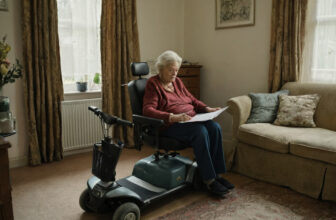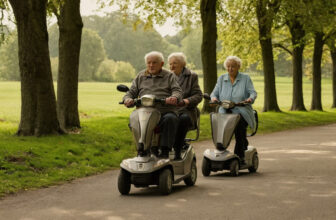
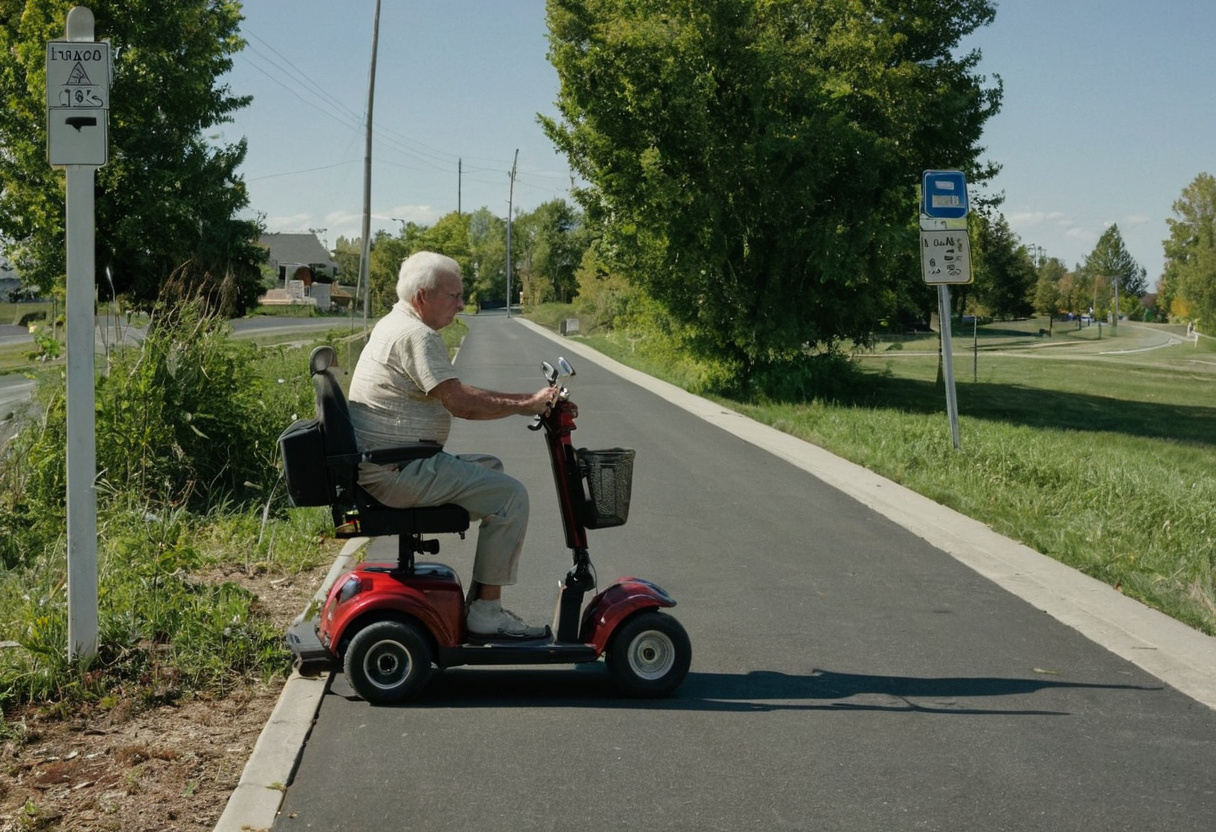
A medical mobility scooter is usually not treated as a vehicle. Across most of the US and Canada the law places the rider closer to a pedestrian than a driver, which is why a license, registration and insurance are typically not required, and why sidewalks rather than roads are the expected place to ride. Definitions differ by state, province and city, so confirm yours before relying on the pattern.
If you use a mobility scooter to get around, it helps to know how the rules generally work before you head out. This guide explains the common expectations across the US and Canada in plain terms, but the specifics vary by state, province and city, so always confirm the details with your local authority.
How mobility scooters are usually classified
In most places, a medical mobility scooter is not treated like a car, motorcycle or moped. Instead, it is generally viewed as a mobility aid, closer in spirit to a wheelchair, used by people who need help getting around. Because of that, the law often treats you more like a pedestrian than a driver.
This classification matters because it shapes almost everything else: where you can travel, whether you need any paperwork, and how you are expected to behave around other people. That said, definitions differ from one jurisdiction to another, and some areas draw the line based on the device’s size, weight or top speed. The safest assumption is that your scooter is a pedestrian-style device unless your local rules say otherwise.

Powered Mobility Scooter for Adults, Seniors – 23MI Extra Long Range
Foldable 4-wheel electric scooter with dual airport-approved batteries. Perfect for travel with 23-mile range and all-terrain capability. However, the higher speed may require additional safety equipment in some jurisdictions.
Rating: ⭐⭐⭐⭐⭐ 4.9 | Price: current price on Amazon
Buy on AmazonWhere you can ride
Where you are allowed to travel is the part that changes most from place to place. As a general pattern:
- Sidewalks and paths are usually the expected place to ride, since that keeps you among pedestrians and away from fast traffic.
- Roads are often only for situations where no sidewalk exists, and even then you are typically expected to keep to the edge and travel with extra care.
- Crosswalks and pedestrian crossings are normally where you cross a street, using the same signals and markings a person on foot would use.
Cities and towns can add their own layers on top of state or provincial rules, for example guidance about shared trails, transit stops or busy downtown areas. Because these details genuinely vary by state, province and city, check your local authority before relying on any single rule of thumb.

Mobility Scooter for Adults, Seniors – 37.5 lbs Ultra Lightweight
Airport-approved folding scooter with 275 lbs capacity. Excellent for travel and meets most municipal weight restrictions. The ultra-lightweight design may limit stability on uneven terrain.
Rating: ⭐⭐⭐⭐⭐ 4.8 | Price: current price on Amazon
Buy on AmazonSpeed and sharing space
The common expectation is simple: travel at a comfortable walking pace when you are around other people. Sidewalks and paths are shared spaces, and moving at roughly the speed of the pedestrians around you keeps everyone safe and predictable.
In practice, that means slowing down in crowds, near doorways and around corners where you cannot see far ahead. You are generally expected to yield to people on foot, give clear warning before passing, and stop fully at crossings until it is safe to proceed. Any posted limits or specific speed rules vary by state, province and city, so treat “walking pace among pedestrians” as the sensible default and check your local authority for anything more precise.

330lbs Max Weight, Electric Mobility Scooter for Adults
4-wheel mobility scooter with 20-mile range and 330-pound capacity. Reliable performance meets most speed regulations. Limited to slower speeds which may not suit all user preferences.
Rating: ⭐⭐⭐⭐⭐ 4.7 | Price: current price on Amazon
Buy on AmazonLicensing, insurance and registration
For most medical mobility scooter users, a driver’s license, insurance policy or vehicle registration is usually not required, again reflecting that these devices are treated as mobility aids rather than motor vehicles. That is the general pattern across much of the US and Canada.
Even so, this is an area where the exceptions matter. Requirements can vary by state, province and city, and some situations, such as larger or faster devices or use in specific settings, may come with added expectations. It is also worth checking your own circumstances separately: some people choose optional coverage for theft or damage, and some housing or facility settings have their own policies. When in doubt, confirm with your local authority rather than assuming.

4-Wheel Mobility Scooter for Adults & Seniors – Heavy-Duty Compact
Compact travel scooter with LED lights and basket. Perfect for sidewalk use with excellent portability. The compact design may limit stability on uneven surfaces.
Rating: ⭐⭐⭐⭐⭐ 4.8 | Price: current price on Amazon
Buy on AmazonHow to find your local rules
Because the specifics differ so much, the most reliable step is to look up the rules that apply where you actually ride. A few good places to start:
- Your state or provincial transportation or motor-vehicle department, which usually sets the baseline definitions.
- Your city or municipal government, for local rules about sidewalks, paths and shared spaces.
- Local disability or accessibility organizations, which often translate the rules into practical, everyday advice.
- Your scooter dealer or occupational therapist, who may know how the rules are applied in your community.
When you contact them, ask specifically about where you may ride, how crossings work, and whether any paperwork applies to your device. This is general information to help you ask the right questions. It is not legal advice, and the final word always belongs to your local authority.
Speed & law FAQ
Is there a set speed limit for mobility scooters?
There is no single answer that applies everywhere. Any specific limits vary by state, province and city, so the practical guideline is to travel at a walking pace when you are among pedestrians and to check your local authority for exact rules.
Do I need a license or insurance to use one?
Usually not. Medical mobility scooters are generally treated as mobility aids rather than motor vehicles, so a license, registration or insurance is typically not required. Requirements can still vary by state, province and city, so confirm what applies to you locally.
Can I ride on the road or only the sidewalk?
As a general rule, sidewalks and paths are the expected place to travel, with roads used mainly where no sidewalk exists. The details differ by location, so check your local authority for the rules that apply where you ride.