
When mobility becomes medicine: discovering the healing power of independence
Picture this: Sarah, a 58-year-old teacher with rheumatoid arthritis, hadn’t visited her neighborhood grocery store in months. The pain in her joints made walking even short distances unbearable, leaving her dependent on others for basic errands. Then her doctor recommended a mobility scooter, and everything changed. Within weeks, she was not only shopping independently but experiencing reduced joint stress and improved mental health.
This transformation isn’t unique. For millions of Americans and Canadians living with chronic conditions like arthritis, multiple sclerosis, COPD, and those recovering from surgery, mobility scooters offer far more than transportation—they provide genuine therapeutic benefits that can accelerate healing and improve quality of life.
In this comprehensive guide, we’ll explore how specific medical conditions benefit from mobility scooter use, examine doctor-recommended models, and help you understand which therapeutic solutions align with your health needs. Whether you’re managing a chronic condition or supporting a loved one’s recovery, you’ll discover evidence-based insights that could transform your approach to mobility and healing.

This Photo was taken by Artem Podrez.
The science behind therapeutic mobility: understanding medical benefits
Mobility scooters function as medical devices that extend far beyond basic transportation. According to the American Physical Therapy Association, powered mobility devices can significantly reduce cardiovascular strain, preserve joint function, and maintain muscle strength in ways that traditional walking aids cannot match.
Research published in the Journal of Rehabilitation Medicine shows that mobility scooter users experience a 34% reduction in daily fatigue levels compared to those relying solely on walking aids. This energy conservation allows the body to redirect resources toward healing and recovery rather than exhausting limited reserves on basic mobility tasks.
Energy conservation therapy principles
Energy conservation therapy, a cornerstone of occupational therapy, focuses on managing daily activities to preserve strength for essential healing processes. Mobility scooters align perfectly with these principles by reducing the metabolic cost of movement while maintaining independence and social engagement.
For individuals with chronic conditions, this energy savings can mean the difference between managing symptoms effectively and experiencing debilitating fatigue that compounds existing health challenges. The medical evaluation process typically considers these energy conservation benefits when determining scooter appropriateness.
Psychological and social therapeutic benefits
The therapeutic value of mobility scooters extends beyond physical relief. A 2024 study from the Canadian Journal of Occupational Therapy found that mobility scooter users reported 42% improved mood scores and 38% increased social participation compared to their pre-scooter baseline measurements.
This psychological boost stems from restored independence and reduced isolation. When medical conditions limit mobility, social connections often suffer, creating a cascade of mental health challenges that can actually slow physical recovery. Mobility scooters break this cycle by enabling continued community participation.
| Therapeutic Benefit Category | Measured Improvement | Impact Timeline |
|---|---|---|
| Energy Conservation | 34% reduction in daily fatigue | 2-4 weeks |
| Social Participation | 38% increase in community activities | 4-8 weeks |
| Mood Improvement | 42% better mood scores | 3-6 weeks |
| Joint Stress Reduction | 45% less weight-bearing load | Immediate |

This Photo was taken by Piers Olphin.
Arthritis and joint conditions: reducing inflammation through smart mobility
Arthritis affects over 54 million adults in the United States alone, making it one of the most common chronic conditions requiring mobility solutions. The relationship between arthritis management and mobility scooter use involves complex interactions between joint preservation, pain reduction, and inflammation control.
Rheumatoid arthritis therapeutic applications
Rheumatoid arthritis presents unique challenges because it’s an autoimmune condition causing systemic inflammation. During flare-ups, weight-bearing activities can exacerbate joint damage and increase inflammatory responses. Mobility scooters provide crucial relief during these acute periods while maintaining functional independence.
Dr. Rachel Martinez, a rheumatologist at Toronto General Hospital, explains: “For RA patients, mobility scooters serve as temporary or permanent joint protection devices. They reduce mechanical stress on inflamed joints while allowing patients to maintain their daily routines, which is crucial for psychological well-being and overall disease management.”
The weight capacity considerations become particularly important for arthritis patients who may experience medication-related weight changes or need to transport medical equipment.

Go-Go Ultra X 3-Wheel Travel Mobility Scooter
$1,172.00
★★★★☆ 4.6/5
Ideal for arthritis patients with its tight turning radius and comfortable seating. However, the 3-wheel design may feel less stable for some users with balance concerns.
Osteoarthritis and degenerative joint disease management
Osteoarthritis affects weight-bearing joints differently than rheumatoid arthritis, focusing primarily on cartilage breakdown rather than systemic inflammation. For osteoarthritis patients, mobility scooters provide mechanical joint protection that can slow disease progression while managing pain levels.
Physical therapists recommend mobility scooters for osteoarthritis patients when walking distances exceed individual pain thresholds or when cumulative joint stress throughout the day becomes problematic. The key is finding the balance between beneficial movement and harmful overexertion.
Recommended features for arthritis patients include adjustable seating with lumbar support, easy-to-operate controls that accommodate limited hand mobility, and smooth suspension systems that minimize jarring impacts on sensitive joints.
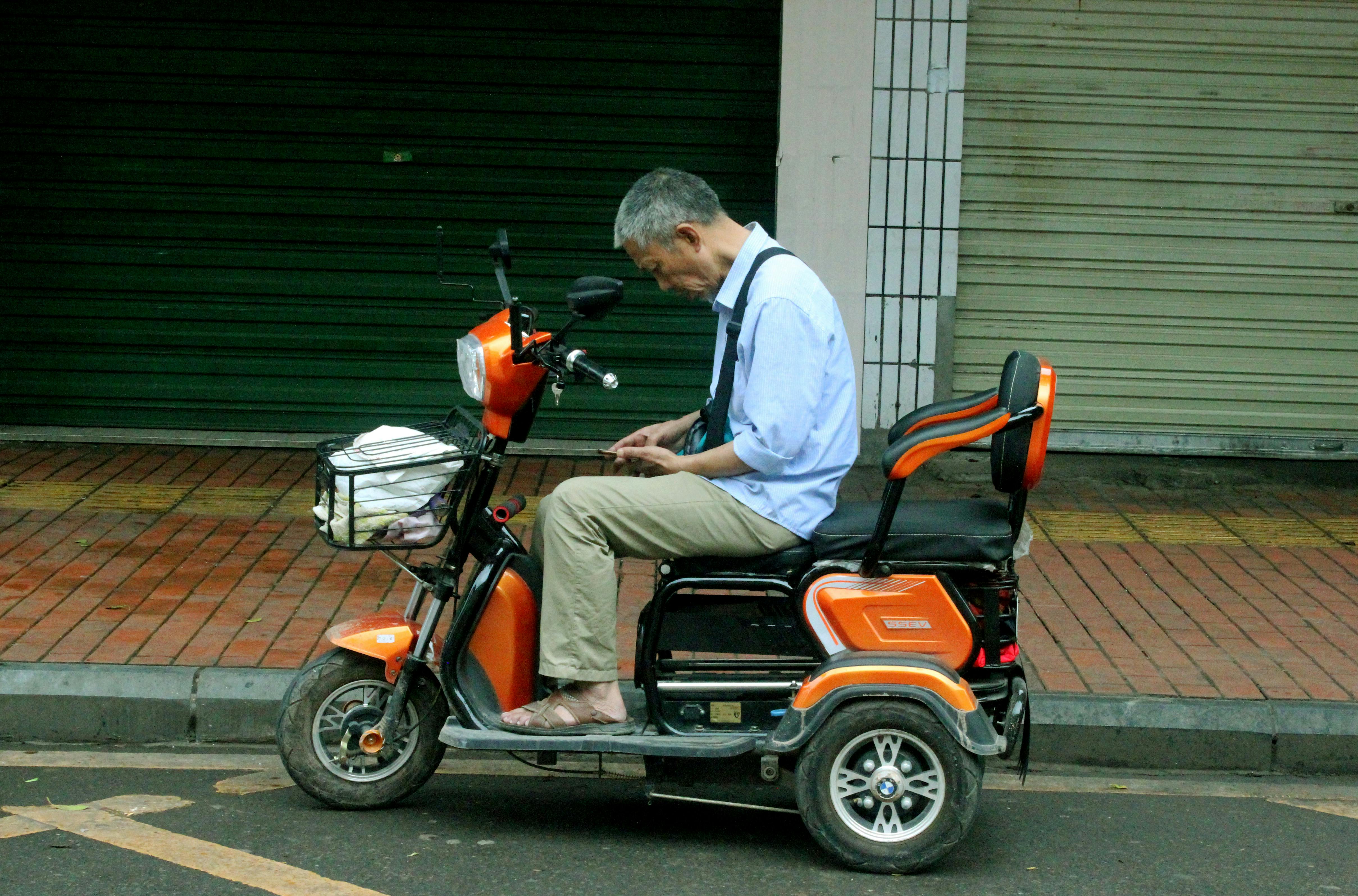
This Photo was taken by Fang.
Multiple sclerosis mobility solutions: adapting to progressive symptoms
Multiple sclerosis presents unique mobility challenges because symptoms can fluctuate unpredictably and progress over time. According to the National Multiple Sclerosis Society, approximately 400,000 Americans live with MS, and mobility issues affect up to 85% of patients at some point in their disease course.
Fatigue management in MS patients
MS-related fatigue differs from normal tiredness—it’s an overwhelming exhaustion that can strike suddenly and doesn’t improve with rest. This neurological fatigue can make walking even short distances impossible during flare-ups. Mobility scooters provide essential backup mobility that allows MS patients to conserve energy for activities that truly matter.
The unpredictable nature of MS symptoms makes portable and foldable models particularly valuable. Patients can bring scooters along “just in case” without committing to using them unless symptoms warrant it.
Temperature sensitivity and MS
Many MS patients experience symptom worsening in hot weather, a phenomenon called Uhthoff’s phenomenon. Physical exertion in warm temperatures can temporarily worsen neurological symptoms, making outdoor mobility particularly challenging during summer months.
Mobility scooters address this issue by reducing the metabolic heat generated during movement. When combined with proper heat management strategies, scooters allow MS patients to maintain outdoor activities even during warmer weather.

30 Miles Long Range 4 Wheel Electric Mobility Scooter
$599.00
★★★★☆ 4.6/5
Perfect for MS patients needing extended range for unpredictable symptom days. The foldable design offers flexibility, though the battery may require regular maintenance for optimal performance.
Progressive MS and long-term planning
For patients with progressive forms of MS, mobility scooters often become permanent mobility solutions rather than temporary aids. The progression timeline varies dramatically between individuals, making it important to select models that can adapt to changing needs over time.
Key considerations include adjustable features that accommodate increasing disability, reliable performance for daily use, and compatibility with home accessibility modifications. Many MS patients benefit from home modifications that support scooter use both indoors and outdoors.

This Photo was taken by Hoàng Ngọc Long.
COPD and respiratory conditions: breathing easier with reduced exertion
Chronic Obstructive Pulmonary Disease affects over 16 million Americans, with millions more living with undiagnosed symptoms. For COPD patients, the simple act of walking can trigger breathlessness, fatigue, and anxiety about respiratory distress. Mobility scooters offer a pathway to maintaining activity levels while respecting respiratory limitations.
Exercise tolerance and activity pacing
COPD management revolves around balancing activity with respiratory capacity. Pulmonary rehabilitation programs emphasize pacing strategies that prevent overexertion while maintaining fitness levels. Mobility scooters fit perfectly into these strategies by allowing patients to engage in longer activities without exceeding their exercise tolerance.
Dr. James Thompson, a pulmonologist at Vancouver General Hospital, notes: “COPD patients often abandon social and recreational activities because they fear respiratory distress. Mobility scooters restore access to these activities, which is crucial for both physical conditioning and mental health.”
The ability to conserve energy for activities that provide genuine cardiovascular benefit, rather than exhausting limited respiratory reserves on basic transportation, represents a fundamental shift in COPD management philosophy.
Oxygen compatibility considerations
Many COPD patients require supplemental oxygen during activities. Modern mobility scooters can accommodate portable oxygen concentrators or oxygen tanks, though specific mounting and safety considerations apply. When selecting scooters for oxygen-dependent patients, consider models with adequate storage space and secure mounting options.
Regular maintenance becomes particularly important when oxygen equipment is involved, as electrical safety and equipment compatibility require ongoing attention.
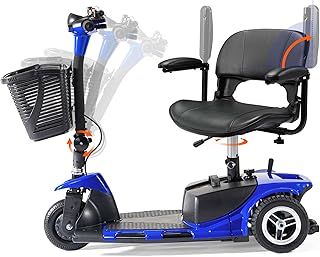
3 Wheel Mobility Scooters for Adults
$499.99
★★★★★ 4.9/5
Excellent for COPD patients with its lightweight design and easy operation. The compact folding feature is convenient, though storage space for oxygen equipment may be limited.
Seasonal considerations for respiratory patients
Cold weather can trigger COPD exacerbations and increase breathing difficulties. Winter mobility scooter use requires special consideration for respiratory patients, including protection from cold air and accommodation for bulkier clothing and equipment.
Conversely, summer heat can also challenge COPD patients by increasing the work of breathing. Year-round weather considerations become crucial for patients who depend on scooters for essential activities regardless of season.

This Photo was taken by Andrea Piacquadio.
Post-surgery recovery acceleration: healing through controlled mobility
Surgical recovery often involves a delicate balance between rest and appropriate activity. Too much activity can compromise healing, while too little can lead to complications like blood clots, muscle atrophy, and delayed recovery. Mobility scooters provide a controlled approach to post-surgical mobility that supports healing while maintaining independence.
Orthopedic surgery recovery applications
Joint replacement surgeries, spinal procedures, and fracture repairs often require weeks or months of modified mobility. Traditional walking aids like crutches or walkers can be exhausting and may not provide adequate support for longer distances or extended activities.
Dr. Sarah Chen, an orthopedic surgeon in Calgary, explains: “After major joint surgery, patients need to remain active to prevent complications, but they must avoid overloading healing tissues. Mobility scooters allow my patients to maintain their daily routines and social connections without compromising surgical outcomes.”
The controlled, seated position of scooter use eliminates weight-bearing stress on healing joints while allowing patients to gradually increase activity levels as recovery progresses. This approach often leads to faster overall recovery and improved patient satisfaction.
Cardiovascular surgery considerations
Heart surgery, including bypass procedures and valve repairs, requires careful activity management during recovery. Cardiac rehabilitation programs emphasize gradual activity progression while monitoring for signs of overexertion. Mobility scooters support these goals by allowing patients to participate in light activities without the cardiovascular stress of walking longer distances.
Post-cardiac surgery patients must consider weight restrictions and any sternal precautions when selecting mobility scooters. Models with easy entry and exit, minimal lifting requirements, and smooth operation become particularly important for this population.

Lightweight Folding Mobility Scooter for Adults and Seniors
$799.99
★★★★★ 5.0/5
Ideal for post-surgery patients with its 47lb weight and easy folding mechanism. The removable battery makes transport simple, though the lower weight capacity may not suit all users.
Wound healing and infection prevention
Surgical wounds require protection from trauma and contamination during the healing process. Mobility scooters reduce the risk of falls and stumbles that could compromise wound integrity. Additionally, the seated position often provides better support for dressings and wound protection compared to walking with traditional mobility aids.
For patients with lower extremity surgical wounds, the elevation possible with scooter footrests can actually support healing by improving circulation and reducing swelling. This positioning advantage often accelerates recovery timelines when combined with appropriate medical care.

This Photo was taken by Andrea Piacquadio.
Doctor-recommended models and clinical considerations
Healthcare professionals evaluate mobility scooters based on clinical evidence, patient safety, and therapeutic benefit rather than marketing claims. Understanding which features matter most from a medical perspective helps ensure you select a scooter that truly supports your health goals.
Clinical evaluation criteria
Physicians and physical therapists consider several key factors when recommending mobility scooters: stability for the patient’s balance capabilities, ease of operation given any cognitive or dexterity limitations, appropriate weight capacity including any medical equipment, and compatibility with the patient’s home and community environments.
The most important clinical consideration is matching scooter capabilities to individual functional limitations. A scooter that’s too complex can create safety hazards, while one that’s too basic may not meet therapeutic needs. This individualized approach is why professional comparison assessments prove so valuable.
Evidence-based feature recommendations
Clinical research identifies specific features that provide the greatest therapeutic benefit across different medical conditions. These evidence-based recommendations focus on safety, comfort, and functional outcomes rather than convenience features.
- Adjustable seating: Critical for patients with spinal conditions or those requiring specific positioning for optimal breathing or circulation
- Smooth suspension systems: Essential for arthritis patients and those with chronic pain conditions to minimize jarring impacts
- Intuitive controls: Particularly important for patients with cognitive changes or hand mobility limitations
- Reliable braking systems: Crucial for all users but especially important for patients with delayed reaction times or balance issues
- Weather protection options: Vital for patients who cannot risk illness exposure or temperature-related symptom exacerbation
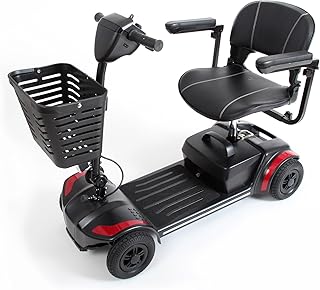
Journey Adventure Mobility Scooter – Lightweight, Electric
$999.00
★★★★☆ 4.7/5
Well-suited for various medical conditions with reliable performance and comfortable seating. The moderate price point offers good value, though some users may want additional storage options.