
Best Mobility Scooters for Post-Surgery Recovery
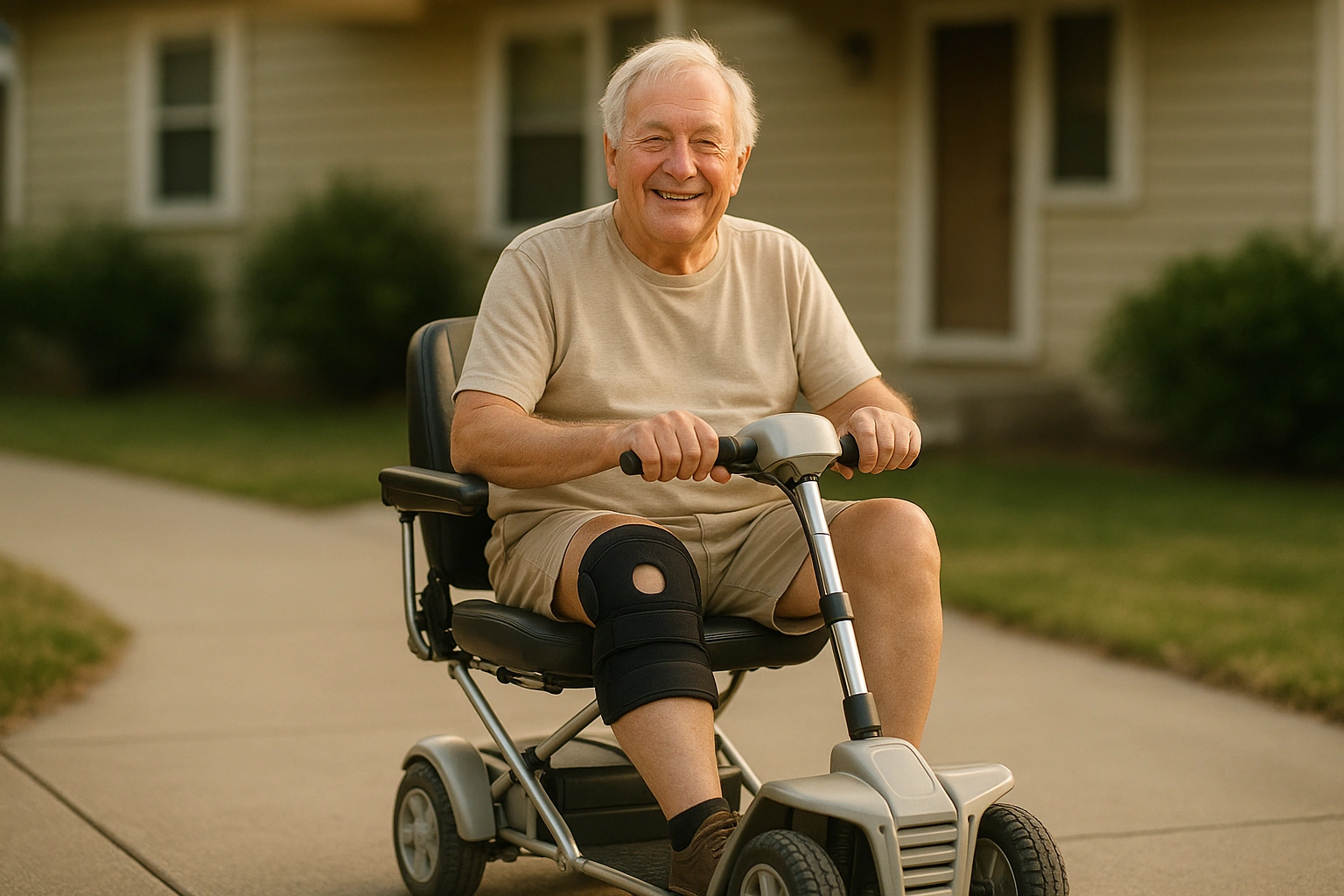
Recovering from a hip or knee replacement, foot or ankle surgery, or another operation that keeps you off your feet for a while? A mobility scooter for post-surgery recovery can give you back your independence during the weeks you cannot walk far: getting to the kitchen, the bathroom, out to the car for a follow-up. But recovery is temporary, and that changes the maths in two honest ways: you want a scooter that is affordable and easy for someone else to move, and for a very short recovery renting may make more sense than buying. This guide explains what to look for, names an honest top pick, is straight with you about renting vs. buying and about when a knee walker suits better, and answers the common questions.
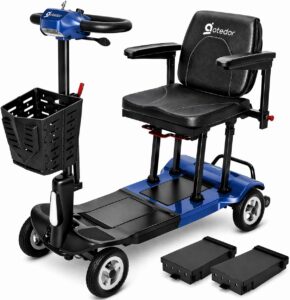
- Lightest & folds compact
- Value price
- Up to 300 lb
- ★ 4.5 (277 ratings)
For a temporary need, the Aotedor is the sensible pick: it is the most affordable of our four, the lightest to fold and load so a partner or family member can lift it into the car for your follow-ups, and it has the most owner reviews. If your recovery is longer, or you want more comfort for a sore body and a plusher seat, step up to the Golden Buzzaround EX; if you need more range for getting out, the Glashow S1 folds flat and goes further. And read the honest rent-vs-buy note below, for a short recovery, renting can be the better value.
Temporary need? See the honest coverage and rental notes below before you buy.
What to look for in a scooter for recovery
- Light and easy to transport. During recovery you will not be lifting it yourself, so choose one a partner or family member can fold and load into the car for your follow-up appointments.
- Good value. Because the need is short-term, the affordable, well-reviewed choice usually makes more sense than the top-of-the-range one, unless recovery will be long.
- Easy to get on and off. Swivel seats and flip-up armrests matter most when your hip, knee, foot or back is healing and every transfer is careful.
- A comfortable, supportive seat. A sore, recovering body needs padding and a backrest, especially if you will be sitting for a while at a time.
- A basket, so you keep your hands free. You cannot carry things while recovering, so let the scooter carry your bag, your drink and your phone.
Value and portability lead here, because the need is temporary: then comfort and easy transfers for a healing body. Match those to how long your recovery is expected to last.
Getting on and off safely while you heal
After surgery, the riskiest moments are the transfers: getting on and off the scooter without straining or twisting the part that is healing. A swivel seat that turns toward you means you do not have to pivot on a sore hip or knee; flip-up armrests give you something firm to push up from and get out of the way of a cast or brace; and a scooter that sits at a sensible seat height makes standing and sitting less of a strain. Take transfers slowly, lock the scooter before you move, and follow any weight-bearing limits your surgeon set. If you have a walker or crutches for the first days, keep them within reach for the short steps the scooter is not for.
Will Medicare or Medicaid pay for a scooter after surgery?
- Ask your surgeon or doctor. They must examine and document that you have real difficulty getting around inside your home and how long it is expected to last: that in-home need, and its duration, is what the program weighs.
- Get a written order (prescription) if appropriate. If your doctor judges it medically necessary, they write an order naming the device, your diagnosis and why it is needed.
- Use an enrolled supplier. Get the scooter from a supplier enrolled with Medicare, your Medicaid program or the VA. A non-enrolled shop means no payment.
- Let the supplier file for authorization. The supplier submits the paperwork; the program reviews it. With Medicare you then pay 20% of the approved amount after your Part B deductible; Medicaid may cover more.
Because a short recovery often will not qualify, weigh renting or buying against what coverage you might realistically get. Confirm the current rules with Medicare, your state Medicaid, or the VA.
Renting vs. buying for a temporary recovery
This is the one condition where renting is genuinely worth a hard look, because the need has an end date. The rule of thumb: a very short recovery favors renting; a longer one, or a need that may return, favors buying.
- Often the better value for a few weeks. A travel scooter runs roughly $100 to $200 a week (Scootaround), so a two-to-three week recovery can cost less than buying.
- Nothing to store or resell once you are back on your feet.
- The supplier delivers, sets up and collects it.
- Cheaper past a month or so: if recovery runs long, weekly rental adds up past the purchase price.
- Yours if the need returns: a second surgery, an ageing joint, a family member who could use it.
- It folds for a car trunk for your follow-up appointments.
- You can resell a lightly used scooter afterwards to recoup some cost.
Best mobility scooters for recovery (2026)
Ranked for value, easy transport and comfort for a healing body, what a temporary recovery needs. Specs are per manufacturer listings; confirm current details and price on Amazon.
| Model | Transport | Seat / comfort | Max rider | Owner rating |
|---|---|---|---|---|
| Aotedor Lightweight ★ Top pick | Lightest, folds | Folding seat | 300 lb | 4.5★ (277) |
| Golden Buzzaround EX Most comfortable | Comes apart | Plush padded | 330 lb | 4.7★ (verified) |
| Glashow S1 Folding Most range | Folds flat | Padded | 265 lb | 4.4★ (46) |
| Pride Go-Go Sport | Comes apart | Padded | 325 lb | 4.4★ (109) |
4.5★ (277 ratings) · lightest · folds compact · up to 300 lb
Why recovery: the most affordable and lightest of the four, so it is easy for a family member to load and easy on the budget for a short-term need. The value choice for temporary use.
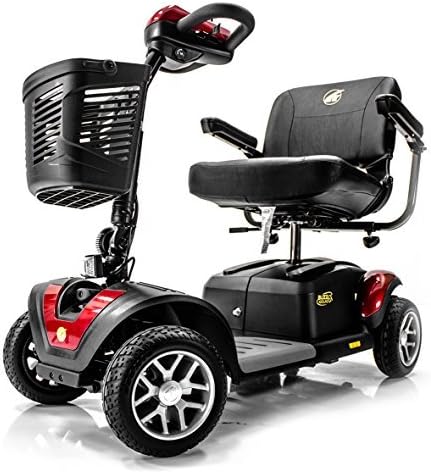
4.7★ (verified owners) · plush padded seat · up to 330 lb
Why recovery: the plushest seat and steadiest four-wheel ride: worth it if your recovery is longer or a sore body needs the extra comfort and support. The highest owner rating of the four.
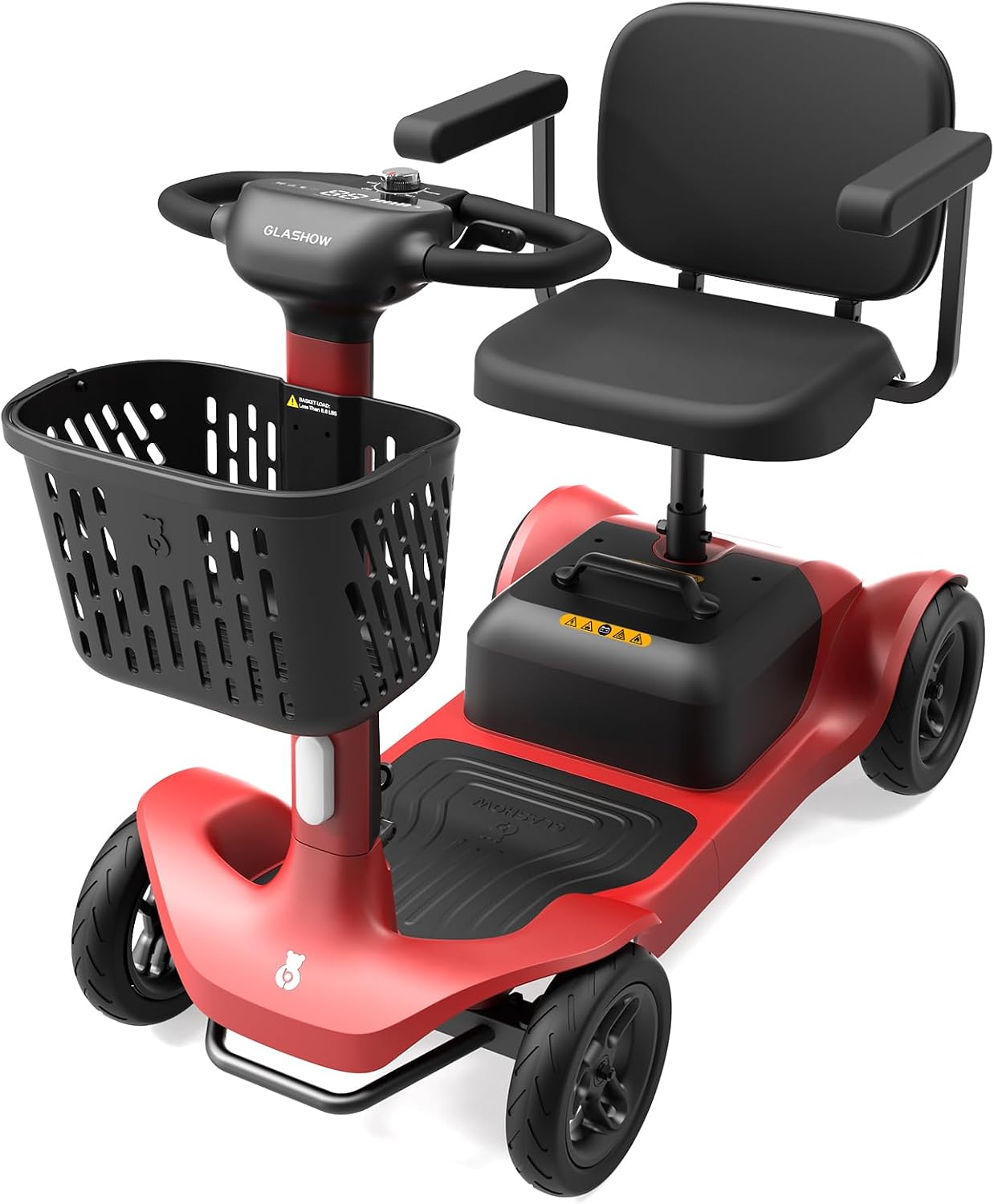
4.4★ (46 ratings) · folds flat · ~25 mi range
Why recovery: folds flat for the car and has the longest range of the four, so it is the pick if you want to get out and about more while you heal. Check the 265 lb limit.
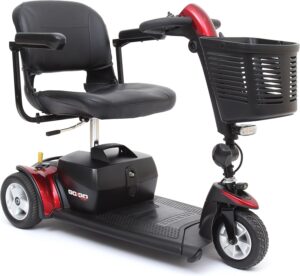
4.4★ (109 ratings) · compact · up to 325 lb
Why recovery: compact and easy to maneuver in tight rooms at home, with a comfortable seat; three wheels turn tighter but are a little less steady than four.
Watch: how a travel scooter comes apart for the car
An independent walkthrough of the Golden Buzzaround EX, our comfort pick, showing the seat, controls and how a travel scooter comes apart to go in a car, useful for getting to your follow-up appointments while you recover.
Video: Golden Buzzaround EX review (YouTube). Polaris Mobility is not affiliated with the reviewer.
Still choosing? Our guide to the best folding scooters for a car trunk compares the portable models, the full scooter catalogue lists every model we cover, and the city guide index links local guides with funding details for your area.
Post-surgery mobility scooter FAQ
What is the best mobility scooter for recovering from surgery?
For a temporary recovery, our pick is the Aotedor: it is the most affordable and lightest of our four, so it is easy for a family member to fold and load into the car for your follow-ups, and easy on the budget for a short-term need. If your recovery is longer or a sore body needs more comfort, the Golden Buzzaround EX has the plushest seat; if you want more range to get out and about while you heal, the Glashow S1 folds flat and goes further. And for a very short recovery, look hard at renting first.
Should I rent or buy a mobility scooter after surgery?
It depends on how long your recovery will be. For a short, one-off recovery of a few weeks, renting is often the better value: a travel scooter is roughly $100 to $200 a week, there is nothing to store afterwards, and the supplier delivers and collects it. But if recovery runs past a month or so, buying is usually cheaper, and you keep the scooter if the need returns, or resell it. Ask your surgeon how long you should expect to be off your feet, then decide.
Is a mobility scooter or a knee walker better after foot surgery?
It depends on your surgery. A mobility scooter is ideal when you can sit and transfer but cannot walk far or tire quickly: common after a hip or knee replacement or back surgery. But if you are non-weight-bearing on one foot or ankle and otherwise mobile, a knee walker (knee scooter) is often better, because it keeps weight off the healing leg while you propel with the other. Ask your surgeon or physiotherapist which suits your recovery: the right tool matters more than the price.
Does Medicare cover a mobility scooter after surgery?
Sometimes, but be realistic. Medicare covers durable medical equipment for a lasting mobility limitation, and a short-term post-surgical need does not always meet that bar the way a chronic condition does. If your surgery leaves a longer or permanent limitation, the standard path applies: your doctor documents the in-home difficulty and its duration, writes an order, and an enrolled supplier files for approval. For a brief recovery, many people rent or buy out of pocket instead. It is still worth asking your doctor and confirming the rules with Medicare.
How do I get on and off a scooter safely while recovering?
Use the scooter’s features and take it slowly. A swivel seat turns toward you so you do not have to pivot on a sore hip or knee; flip-up armrests give you something firm to push up from and get a cast or brace out of the way. Lock the scooter before you move, follow any weight-bearing limits your surgeon set, and keep a walker or crutches within reach for the short steps the scooter is not for. If a transfer feels risky, have someone steady you until you are confident.