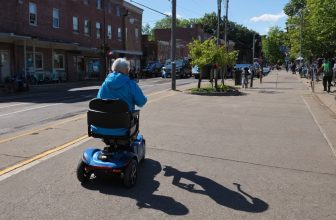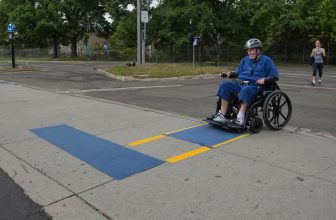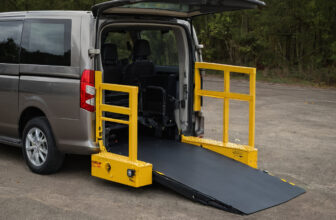
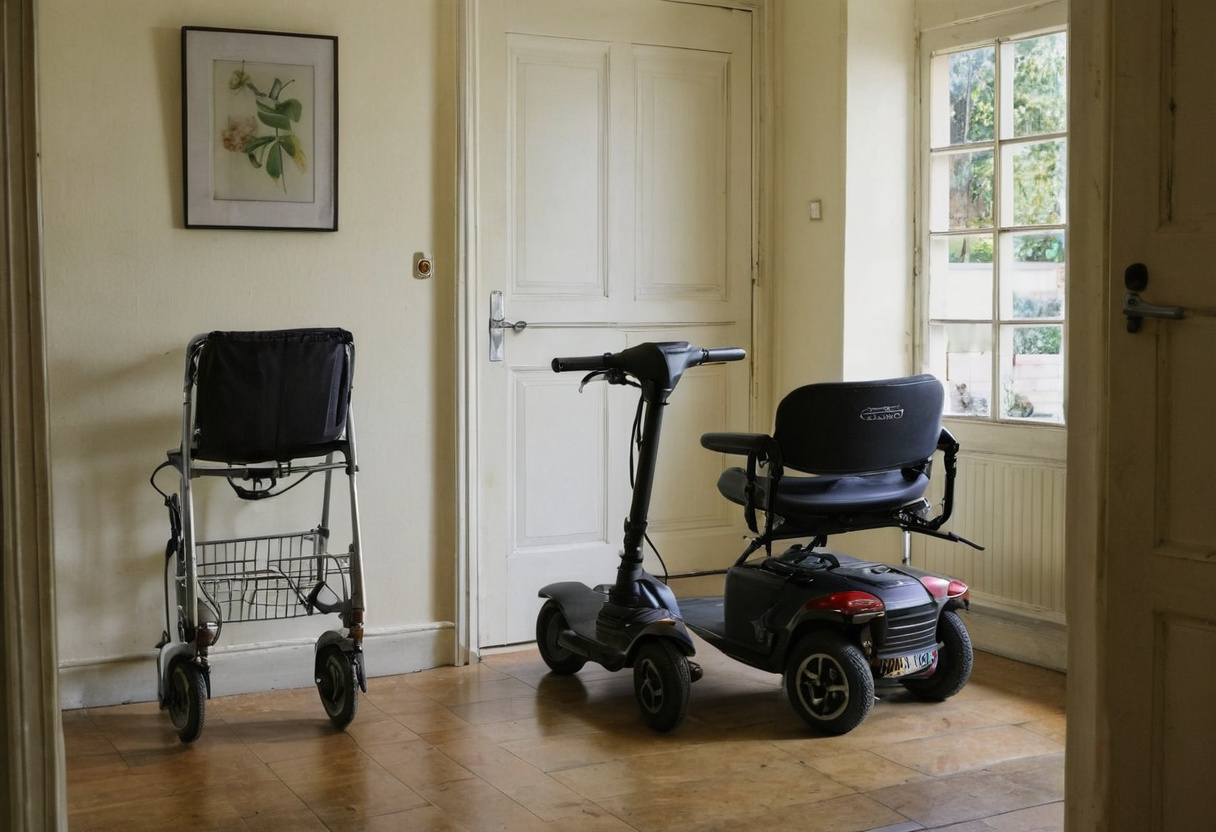
The move from a walker to a mobility scooter is usually decided by what your arms and lungs are doing, not your legs. Persistent shoulder or wrist pain from leaning on a frame, breathlessness on short walks, and arriving somewhere too tired to do what you came for are the signals that the aid itself is now costing you the energy it was meant to save. A scooter does not replace walking; it stops walking from using up the whole day.
A cane that wobbles under your weight and a walker that leaves you worn out after a short trip are both telling you the same thing: the aid is now taking more from you than it gives back. This guide covers the signals worth acting on, what changes when you switch, and how to work the decision through with the people around you.
- In the U.S., 27.7% of adults 65+ and 16.8% of adults 45–64 report a mobility disability (serious difficulty walking or climbing stairs).
- In Canada, about 3.13 million adults live with a mobility-related disability, which is 63% of disabled seniors.
- Mobility disability is reported more often by women than men (13.6% vs 10.5%).
Sources: U.S. CDC Disability & Health Data System (DHDS), BRFSS 2021; Statistics Canada, Canadian Survey on Disability 2022.
Recognizing the crossroads: when walking aids reach their limits
The transition from walking aids to mobility scooters isn’t about giving up – it’s about recognizing when your current tools no longer serve your active lifestyle. Understanding these pivotal moments helps you make proactive decisions rather than reactive ones.
Physical warning signs that demand attention
Your body sends clear signals when walking aids become inadequate. Persistent upper body fatigue after using a walker, shoulder and wrist pain from cane dependency, or frequent near-falls despite proper aid usage indicate you’ve outgrown your current mobility solution.
Balance instability represents another crucial indicator. If you find yourself leaning heavily on shopping carts in stores or avoiding uneven surfaces entirely, your walking aid may no longer provide enough stability for safe navigation.
Breathing difficulties during short walks, especially when using a walker, suggest your energy reserves are being depleted by the mobility aid itself rather than preserved for activities you enjoy.

Lifestyle limitations affecting daily quality
Social isolation often emerges when walking aids become barriers to participation. If you’re declining invitations to shopping trips, community events, or family gatherings because your mobility aid creates anxiety about distance or endurance, it’s time to consider alternatives.
Indoor navigation challenges signal another transition point. When doorway maneuvering becomes difficult with your walker, or when you avoid certain rooms in your home due to space constraints, these limitations extend beyond mobility into quality of life.
Shopping independence frequently suffers first. If grocery trips require family assistance not because of decision-making needs but because of mobility limitations, this represents a clear indicator for scooter consideration.
Comfortable walking distance with an aid is personal, and no published table can set it for you. The useful measurement is your own: pick a route you take regularly, note where you start looking for somewhere to sit, and compare that against the distance your usual outings actually demand. The gap between those two numbers is the problem a scooter solves.

Understanding your mobility scooter transition timeline
Successful scooter transitions follow predictable phases, each with specific milestones and decisions. Recognizing where you are in this timeline helps optimize your experience and reduces common transition anxiety.
The evaluation phase: assessing your readiness
Medical consultation represents your first concrete step. Healthcare providers assess whether underlying conditions support scooter use and can provide documentation for Medicare coverage and prescription requirements.
How long this takes depends on how quickly you can get appointments. It usually covers a mobility assessment, a look at medications that affect balance or alertness, and a conversation about what your week actually involves. A physical or occupational therapist is the person best placed to say whether a scooter suits you, and to spot any handling skills worth practising first.
Environmental assessments during this phase reveal whether your home, frequent destinations, and transportation methods accommodate scooter use. This evaluation prevents post-purchase complications and ensures smooth integration.
The trial and selection phase
Rental options for trial use remove most of the guesswork. A trial long enough to cover a normal week, including your least convenient errand and your worst weather, tells you more than any showroom test drive.
During trials, focus on actual daily activities rather than test drives in parking lots. Navigate your grocery store, visit friends, and attempt typical errands. This real-world testing reveals practical considerations that influence long-term satisfaction.
Document your trial experiences, noting battery life during typical use, comfort during extended sitting, and ease of transport. These observations guide your final selection and prevent buyer’s remorse.

Ultra Lightweight Folding Mobility Scooter
Rating: ⭐⭐⭐⭐⭐ 4.8/5 | Price: see current price on Amazon
Perfect for seniors transitioning from walking aids, this 37.5 lb scooter offers impressive 275 lb capacity and airport approval for travel freedom. Cons: Premium pricing may require budget planning, folding mechanism needs regular maintenance.
Buy on AmazonRelated buying guides: Scooters for Seniors, Most Comfortable Scooters, Scooters to Buy for a Parent, and the full catalog and mobility statistics.