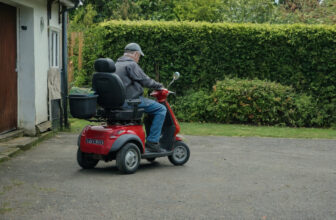
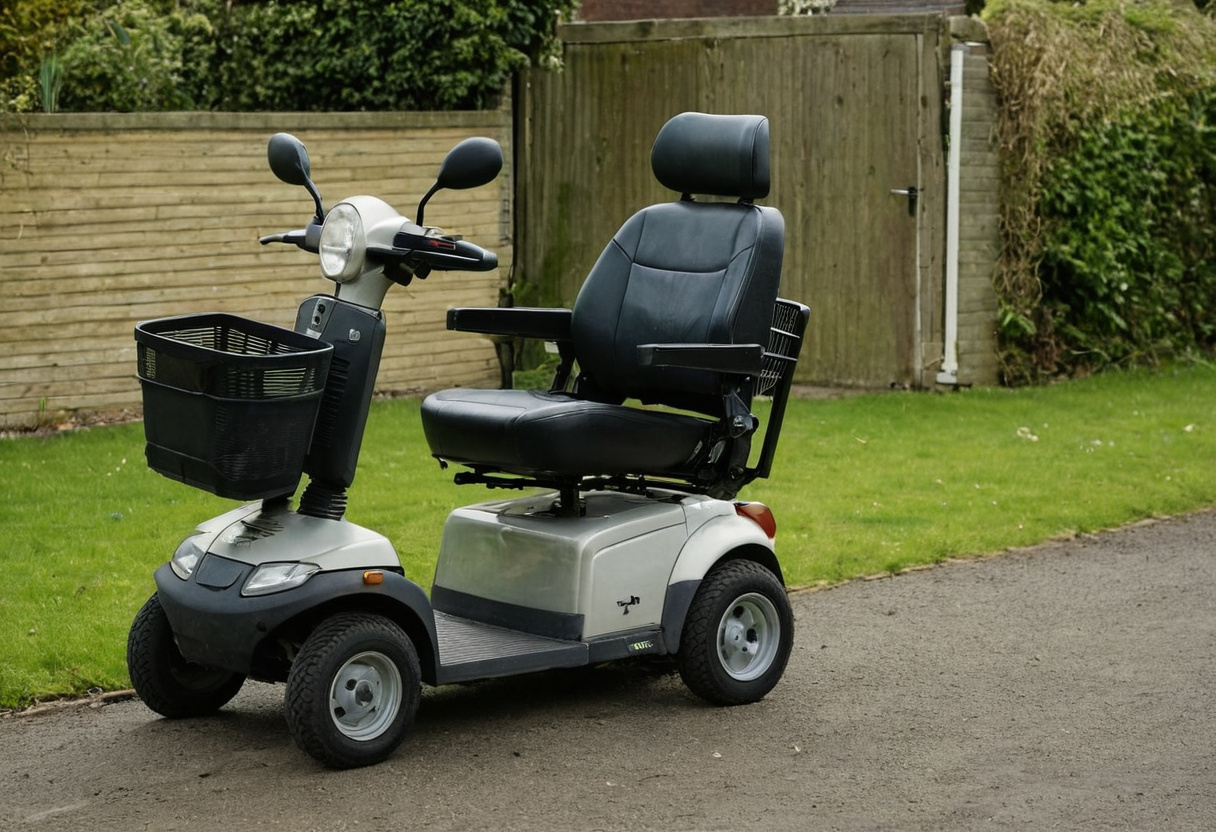
Mobility scooter tires come in three types, and terrain decides which one fits. Pneumatic air tires cushion best and grip grass, gravel, and cold pavement, but they puncture and need pressure checks. Solid rubber tires never go flat and suit smooth indoor and paved use. Flat-free foam sits between the two and weighs more, which trims range slightly. Replace by the size printed on the sidewall, never by eye.
- In the U.S., 27.7% of adults 65+ and 16.8% of adults 45–64 report a mobility disability (serious difficulty walking or climbing stairs).
- In Canada, about 3.13 million adults live with a mobility-related disability, which is 63% of disabled seniors.
- Mobility disability is reported more often by women than men (13.6% vs 10.5%).
Sources: U.S. CDC Disability & Health Data System (DHDS), BRFSS 2021; Statistics Canada, Canadian Survey on Disability 2022.
Tires are where your mobility scooter meets the world, and they decide how smooth, safe and sure-footed every ride feels. There are three main types, and the right one depends on where and how you ride.
The three tire types
- Pneumatic (air-filled): the best cushioning and grip, especially outdoors and on uneven ground, but they can go flat and need occasional pressure checks.
- Solid (hard rubber): puncture-proof and maintenance-free, with a firmer ride best suited to smooth indoor and paved surfaces.
- Flat-free (foam-filled): a middle ground that cannot puncture and needs no inflation, with a ride firmer than pneumatic but more forgiving than solid. They are heavier, which can trim range slightly.
Matching tires to terrain and climate
Mostly indoors or on smooth pavement? Solid or flat-free tires are carefree and perfectly comfortable. Crossing grass, gravel or rough paths, or riding in the cold? Pneumatic, treaded tires give the grip and shock absorption you want, the same reason our all-terrain scooter picks run larger air tires. In winter, deeper tread matters most for traction on packed snow (and avoid ice altogether).
Tire maintenance
Whatever type you run, check tires regularly for tread wear, cracks and embedded debris, and on pneumatic tires keep them at the manufacturer’s recommended pressure, because under-inflation cuts range and handling. Rinse road salt off in winter and keep the scooter out of prolonged sun, which ages rubber. Well-kept air tires like those on the Glashow S1 reward a quick monthly check.
When and how to replace them
Replace tires when the tread is worn smooth, the rubber is cracked, or a pneumatic tire keeps losing pressure. Always replace with the correct size for your model (printed on the sidewall), and consider switching a puncture-prone pneumatic to a flat-free equivalent if you keep getting flats. Foldable and travel models such as the Cebihy 4-wheel or the heavy-duty models often list their exact tire sizes in the manual, so match it exactly.
Tire FAQ
Are solid or pneumatic tires better?
It depends on where you ride. Pneumatic (air) tires give the best comfort and grip outdoors but can puncture; solid tires are maintenance-free and best for smooth indoor use. Flat-free foam tires sit in between.
How often should I check my scooter tires?
A quick monthly look at tread, cracks and (for pneumatic tires) pressure is plenty for most riders, plus a check before any longer or off-pavement trip.