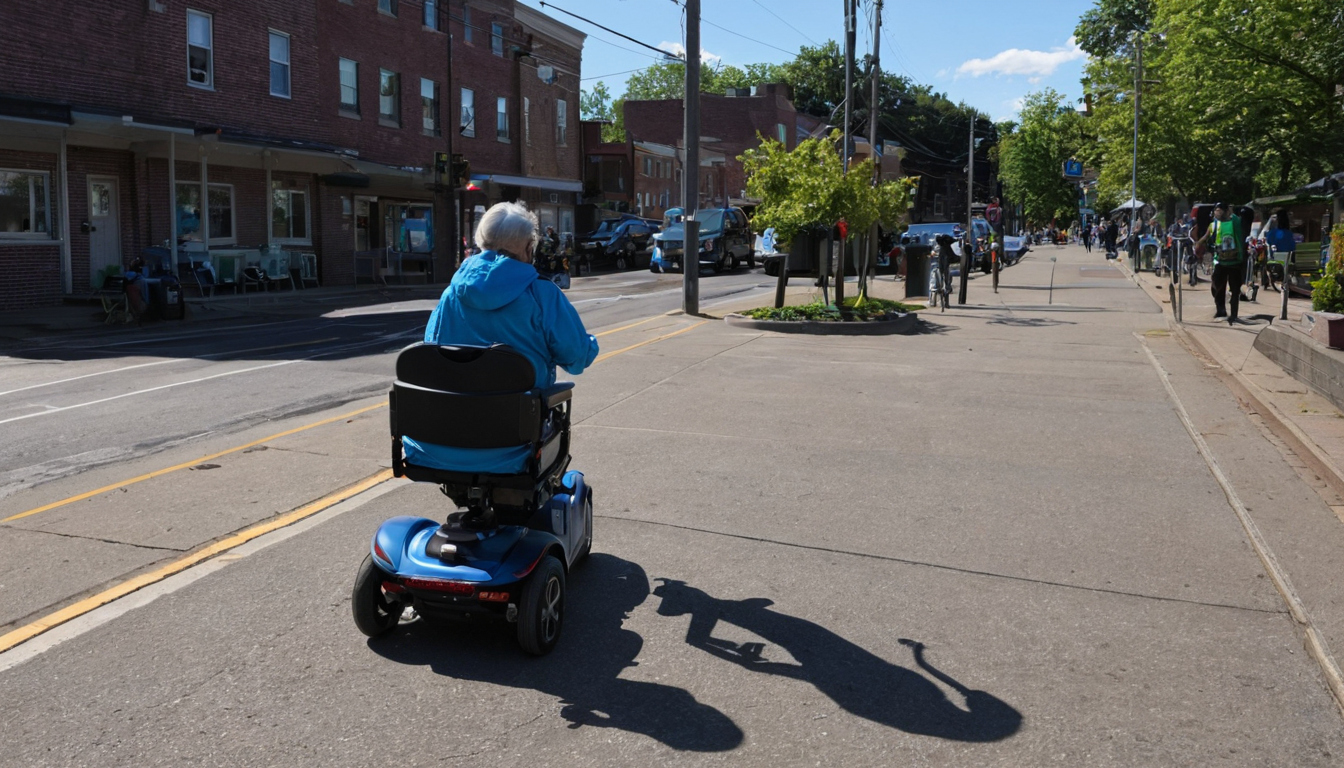
A cabin around a mobility scooter sounds like pure protection. In practice, that same shell can block a doorway you have used for years. Adding walls and a roof changes the device’s footprint, often creating new access barriers while solving the original weather problem. Before you buy, weigh climate protection against maneuverability. See also: elevator fit and turning space guide.
Contents
- What is an enclosed mobility scooter and who needs one?
- How do enclosed mobility scooter weather sealing ratings compare?
- What ventilation standards apply to enclosed mobility scooter cabins?
- How does a cabin change the turning radius of an enclosed mobility scooter?
- What are the weight, payload, and battery range trade-offs?
- Checklist: Is an enclosed mobility scooter right for your route?
Key takeaways
- An enclosed mobility scooter has a fully roofed and walled cabin that protects the rider from rain, wind, and cold.
- Weather sealing for an enclosed mobility scooter uses IP (Ingress Protection) ratings to measure resistance to water and dust entering the cabin.
- Enclosed mobility scooter cabins require active or passive ventilation to prevent condensation, overheating, and carbon dioxide buildup.
- Adding an enclosed cabin increases the overall length and width of a mobility scooter, typically expanding its turning radius by 10 to 20 inches compared to open-deck models.
- The fiberglass or ABS plastic cabin of an enclosed mobility scooter adds 80 to 150 pounds to the base unit, reducing the available payload for the rider and cargo.
Enclosed Mobility Scooter Specs: Compare Weather Sealing, Ventilation, and Turning Radius.
What is an enclosed mobility scooter and who needs one?
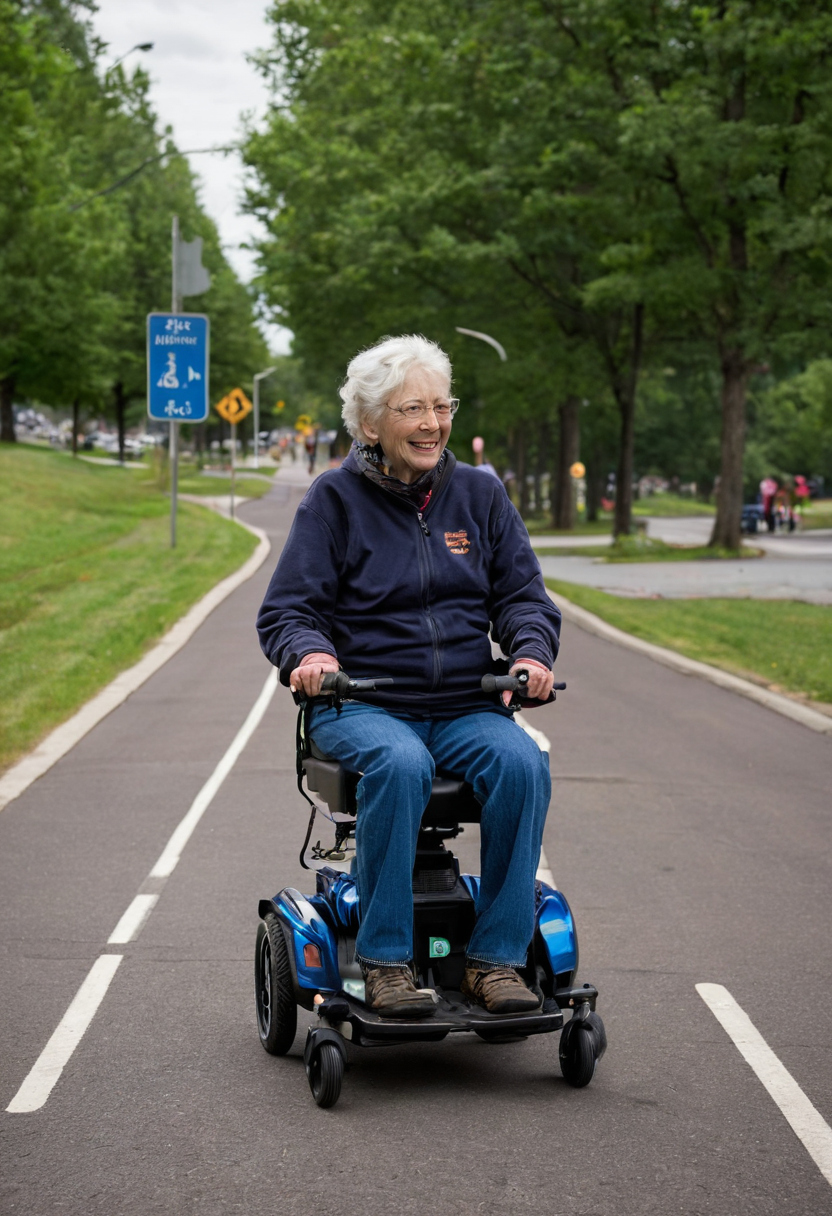
An enclosed mobility scooter has a fully roofed and walled cabin that protects the rider from rain, wind, and cold. It serves users with limited temperature regulation, chronic conditions worsened by weather exposure, or those needing year-round outdoor transport in climates where open-deck mobility carts are impractical.
An enclosed mobility scooter operates as a personal assistive device, not a motor vehicle. United States traffic regulations typically classify low-speed vehicles (LSVs) as four-wheeled electric automobiles capable of reaching 20 to 25 miles per hour on public roads. LSVs require registration, insurance, and a valid driver license. Enclosed scooters generally stay below 15 miles per hour, lack federal automotive certification, and travel on sidewalks or shared pedestrian paths under local disability access rules. The cabin adds weather resistance without making the scooter a street-legal automobile. Buyers must check specific state and municipal ordinances, because jurisdictions differ on where an enclosed mobility scooter may legally operate.
Riders who benefit most from cabin enclosures have specific needs. Users managing multiple sclerosis, spinal cord injuries, or severe arthritis often experience heightened sensitivity to temperature drops and precipitation. A sudden rainstorm forces an open-deck rider to stop and seek shelter, interrupting essential trips to medical appointments or grocery stores. Caregivers transporting individuals with compromised immune systems also prefer enclosed cabins to reduce exposure to airborne particulates and wet conditions during transit.
What is an enclosed mobility scooter and who needs one.
Climate determines whether the added weight and width of a cabin make sense. Regions with prolonged winters, frequent heavy rain, or high winds justify the bulk of an enclosed body. Arid areas with mild temperatures rarely demand the extra mass. When choosing cabin materials, consider the air quality inside the small enclosure. The U.S. Environmental Protection Agency identifies paints, varnishes, waxes, cleaning products, building materials, and furnishings as common indoor sources of volatile organic compounds. An enclosed mobility scooter cabin functions much like a compact room: adhesives, plastics, and sealants used in manufacturing can release similar emissions into a confined space. Riders spending hours inside the cabin should prioritize manufacturers that disclose material safety data and allow adequate airing out before daily use.
The cabin serves a clear purpose, but its sealed environment introduces a mechanical vulnerability. Water intrusion remains the primary failure point for any enclosed mobility scooter. So how do enclosed mobility scooter weather sealing ratings compare?
How do enclosed mobility scooter weather sealing ratings compare?
Weather sealing for an enclosed mobility scooter uses IP (Ingress Protection) ratings to measure resistance to water and dust entering the cabin. Higher ratings like IP54 or IP65 indicate better protection for electrical components and passenger comfort during heavy rain or dusty environments typical of rural routes.
Choosing the right IP rating means matching the scooter specification to actual operating conditions. A rider navigating daily errands in a dry climate faces different risks than someone crossing unpaved paths during seasonal storms. Use this risk checklist to evaluate whether a specific enclosure rating fits your route before purchase:
How do enclosed mobility scooter weather sealing ratings compare.
- Dust exposure level: Unpaved roads, construction zones, and agricultural paths demand at least an IP5X first digit to prevent fine particulate from reaching motor brushes and controller boards.
- Rainfall intensity: Light drizzle requires only basic splash protection, while sustained downpours need higher water ingress ratings to keep the cabin floor dry.
- Puddle depth on regular routes: Water splashing upward from tires at ground level tests lower chassis seals differently than overhead rainfall.
- Storage conditions: An enclosed unit parked outdoors overnight needs perimeter door gaskets that resist prolonged moisture contact without degrading.
- Cleaning habits: Riders who hose down their mobility carts after muddy trips must verify that the manufacturer permits pressurized water near door hinges and window tracks.
Manufacturer testing conditions show why these numbers matter in practice. Testing labs typically apply water for three to five minutes per axis. Real storms last longer and strike seams at unpredictable angles. Door thresholds and window channels are the most common failure points on enclosed 3 wheel scooters because gravity pools water exactly where rubber gaskets meet metal frames. Inspect the bottom edge of every door seal on a display model by running a finger along the channel. Any gap wider than a millimeter invites slow dripping during a long ride.
Structural stress worsens sealing weaknesses over time. Vibration and impact degrade gasket compression faster than static aging alone. Research into mobility device durability shows how mechanical forces expose hidden flaws; for example, fracture of the left front wheelchair caster was observed in two horizontal impact tests simulating FAA aircraft seating requirements (SAE International WC19 aircraft seating tests). While those specific tests evaluated crashworthiness rather than weather seals, the principle applies directly to daily road use: repeated shocks from curbs and potholes shift cabin panels just enough to break a waterproof seal. A scooter rated IPX5 when new may effectively drop to IPX3 after six months of rough pavement if the frame flexes under load.
Safety interlocks offer a second line of defense when physical seals fail. Many modern enclosed units include moisture sensors inside the battery tray. When the sensor detects conductivity indicating water presence, the controller cuts power delivery to prevent arcing. Verify this feature exists on any model you consider, especially if your route crosses standing water deeper than one inch.
Charging ports create another vulnerability. A fully sealed cabin means nothing if the charging receptacle lacks its own spring-loaded cover with a silicone gasket. Inspect the charge port cover tension. It should snap shut firmly without requiring manual pressure to stay closed. Loose covers flap open during transit, exposing contacts to road spray.
A tightly sealed cabin keeps water out, but that same barrier traps air and humidity inside. Ventilation standards for enclosed mobility scooter cabins matter because weather protection can create an air quality problem.
What ventilation standards apply to enclosed mobility scooter cabins?
Enclosed mobility scooter cabins require active or passive ventilation to prevent condensation, overheating, and carbon dioxide buildup. While voluntary safety frameworks govern crashworthiness rather than airflow directly, many wheelchairs meet voluntary standards for crashworthiness and safety per RESNA WC19 for motor vehicle travel (SAE International). Adequate ventilation rates measured in cubic feet per minute (CFM) help keep riders comfortable and windows clear of fog.
Cabin dimensions set the baseline air volume a ventilation system must exchange. The 2010 ADA Standards specify a 30 by 48 inch clear floor space for wheelchair positioning in accessible design (ADA 2010 Standards). An enclosed mobility scooter cabin built around this footprint holds roughly 25 to 35 cubic feet of air depending on roof height. A single occupant exhaling at rest produces enough carbon dioxide to degrade air quality inside that volume within minutes without fresh air intake. Control surfaces and armrests inside these cabins follow similar spatial logic; the 2010 ADA Standards set accessible dining and work surfaces at 28 to 34 inches above the finish floor (ADA 2010 Standards), which determines where dashboard vents can physically direct airflow across the rider’s breathing zone.
Material off-gassing adds to the carbon dioxide problem. New plastic panels, adhesives, and upholstery release volatile organic compounds into a sealed cabin. The U.S. Environmental Protection Agency recommends increasing ventilation when using products that emit volatile organic compounds indoors (EPA VOC guidance), and the same principle applies to a freshly manufactured enclosed mobility scooter sitting in sunlight.
What ventilation standards apply to enclosed mobility scooter cabins.
Structural testing for mobility devices shows why vent placement matters. Engineering rigor applied to transport safety, such as research assessing whether WC19-compliant wheelchairs can meet FAA aircraft seating standards when secured using 4-point tiedowns (SAE International), shows that every cutout in a frame alters load paths. Vents cannot compromise the structural shell. In related impact tests, five wheelchairs tested with an added vehicle-mounted lap belt successfully met occupant retention and structural integrity requirements for FAA horizontal impact testing (SAE International). Cabin ventilation designs must preserve that level of structural integrity while moving air.
| Ventilation Type | Airflow (CFM) | Power Draw | Condensation Risk |
|---|---|---|---|
| Passive louver vents | 5 to 15 | None | High at low speeds or idle |
| Single powered fan | 30 to 50 | 5 to 15 watts | Moderate if unfiltered |
| Dual powered fans with intake filter | 60 to 100 | 15 to 30 watts | Low |
A single powered exhaust fan drawing 10 watts and running continuously for four hours consumes 40 watt-hours. For a mobility scooter carrying a 500-watt-hour battery pack, that fan reduces available range by roughly 8 percent. Dual-fan configurations double the electrical penalty but virtually eliminate window fogging in humid climates.
Daily routes present riders with specific trade-offs:
- Preheating the cabin while the scooter remains plugged into shore power preserves the battery charge for actual travel.
- Running ventilation fans without the resistive heater keeps the air clear but leaves the cabin cold, requiring the rider to wear insulated layers.
- Using the heater intermittently, cycling the element on for five minutes and off for fifteen, balances comfort with acceptable range loss.
Lithium iron phosphate batteries tolerate cold discharge better than sealed lead-acid cells, but their output still drops below freezing. Ventilation systems pulling cold outside air directly across the battery compartment accelerate this thermal loss. Insulated ducting separates cabin airflow from the battery tray, preserving both range and component lifespan.
Adequate ventilation keeps the cabin breathable and the windows clear. But moving air through a sealed box introduces another constraint: how does adding a rigid cabin alter the turning radius and maneuverability compared to open-deck models?
How does a cabin change the turning radius of an enclosed mobility scooter?
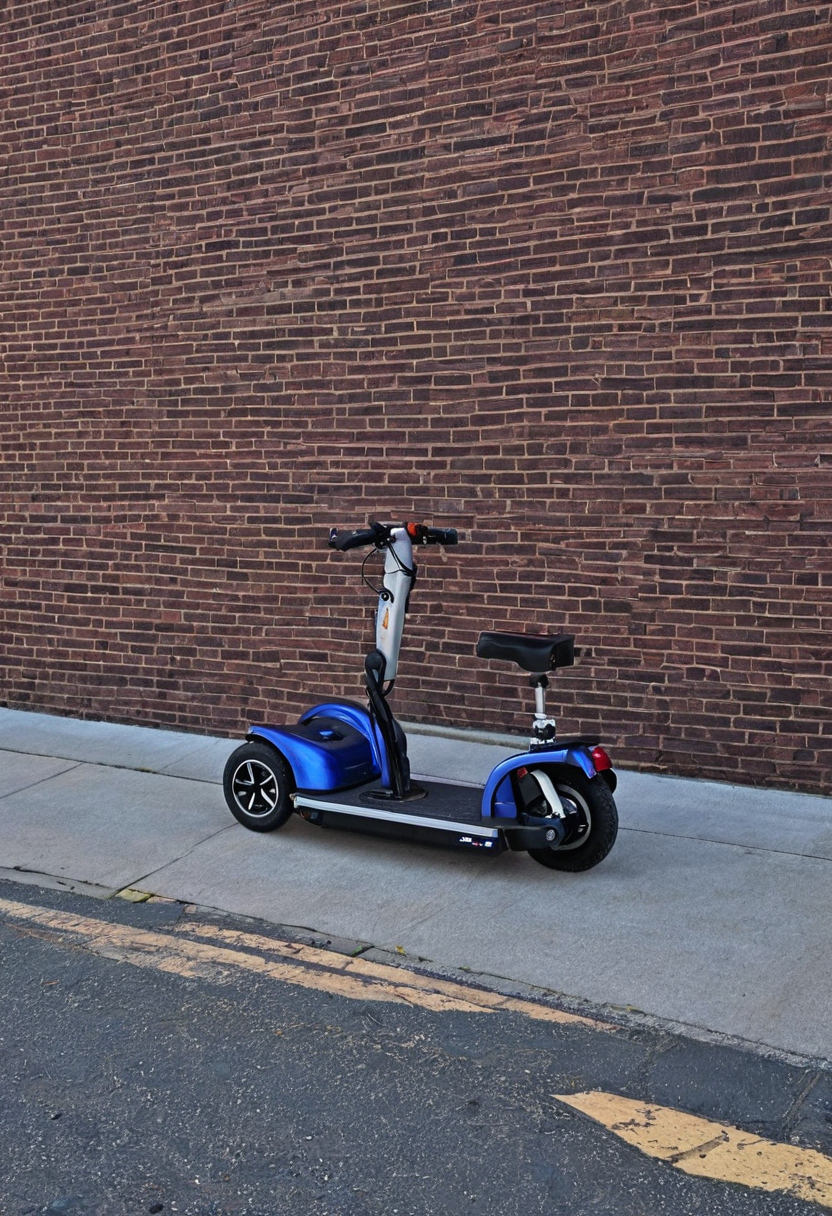
Adding an enclosed cabin increases the overall length and width of a mobility scooter, typically expanding its turning radius by 10 to 20 inches compared to open-deck models. Riders therefore need to check that their home hallways, elevator cars, and local sidewalks accommodate the wider sweep path.
How does a cabin change the turning radius of an enclosed mobility scooter.
The cabin shell extends past the base frame on all sides. An open-deck mobility scooter might measure 40 inches long and turn within a 35-inch circle, but enclosing that same chassis pushes total length toward 50 inches or more. The rear overhang swings wider during a turn, requiring clearance that many residential corridors lack. Steering geometry adds to the problem. Open-deck units rely on a tiller that pivots directly above the front axle. Enclosed cabins replace that tiller with an automotive-style steering wheel connected through a column, which often reduces the maximum steering angle. A tighter steering angle forces a larger turning circle. Before purchasing an enclosed model, map the physical route using a tape measure rather than relying on showroom impressions. Our elevator fit and turning space guide details the exact ADA elevator car dimensions riders must check before buying a wider enclosed unit.
- Measure the narrowest hallway: Subtract the scooter width from the hallway width. You need at least 6 inches of clearance on each side for safe travel without scraping the cabin walls.
- Map the tightest turn: Mark the inner pivot point on the floor. Use a string cut to the manufacturer’s listed turning radius to trace the outer sweep path. Verify the string does not cross into walls or furniture.
- Check door approach angles: A straight-on approach requires less width than an angled entry. If the hallway forces an angled approach, add 4 to 6 inches to your required clearance.
Door thresholds create another constraint. Raised wooden or metal thresholds catch the lower edge of a cabin skirt. Repeated scraping damages rubber weather seals along the bottom perimeter. When those seals fail, moisture enters the cabin floor pan. The U.S. Environmental Protection Agency guide to mold and moisture states that condensation and wet or damp spots should be fixed promptly to prevent mold growth (EPA mold and moisture guide). Trapped moisture beneath a damaged cabin seal creates exactly the damp conditions that degrade indoor air quality and structural materials. Riders who frequently scrape thresholds must inspect the lower seal edges weekly and wipe down any accumulated moisture immediately.
To evaluate door passage, measure the clear opening with the door pinned back at 90 degrees, not just the frame width. Hinges consume roughly 1 to 1.5 inches of that space. Offset hinges can recover some of that lost width without reframing the wall. If the cabin width exceeds the clear opening by more than half an inch, the doorway needs modification before daily use becomes practical.
The trade-off is lateral stability. A three-wheel footprint forms a triangle rather than a rectangle. On flat indoor surfaces, this geometry handles well. On sloped driveways, uneven sidewalks, or cambered roads, the narrower front track increases tip risk. Cabin weight sits higher than an open deck, raising the center of gravity further. Manufacturers compensate with wider rear axles or anti-tip casters, but physics limits how much stability a three-wheel base can provide under a heavy enclosure. Riders who primarily travel indoors or on flat paved paths gain maneuverability from enclosed 3 wheel scooters. Those who face frequent slopes or outdoor terrain generally need the four-wheel base despite its larger turning circle.
To confirm whether a specific enclosed cabin clears your routes, measure the actual curb weight and battery load. A heavier machine behaves differently at full capacity than the bare specification sheet suggests. Those mass figures lead to the next question: what are the weight, payload, and battery range trade-offs of adding a cabin to a mobility scooter?
What are the weight, payload, and battery range trade-offs?
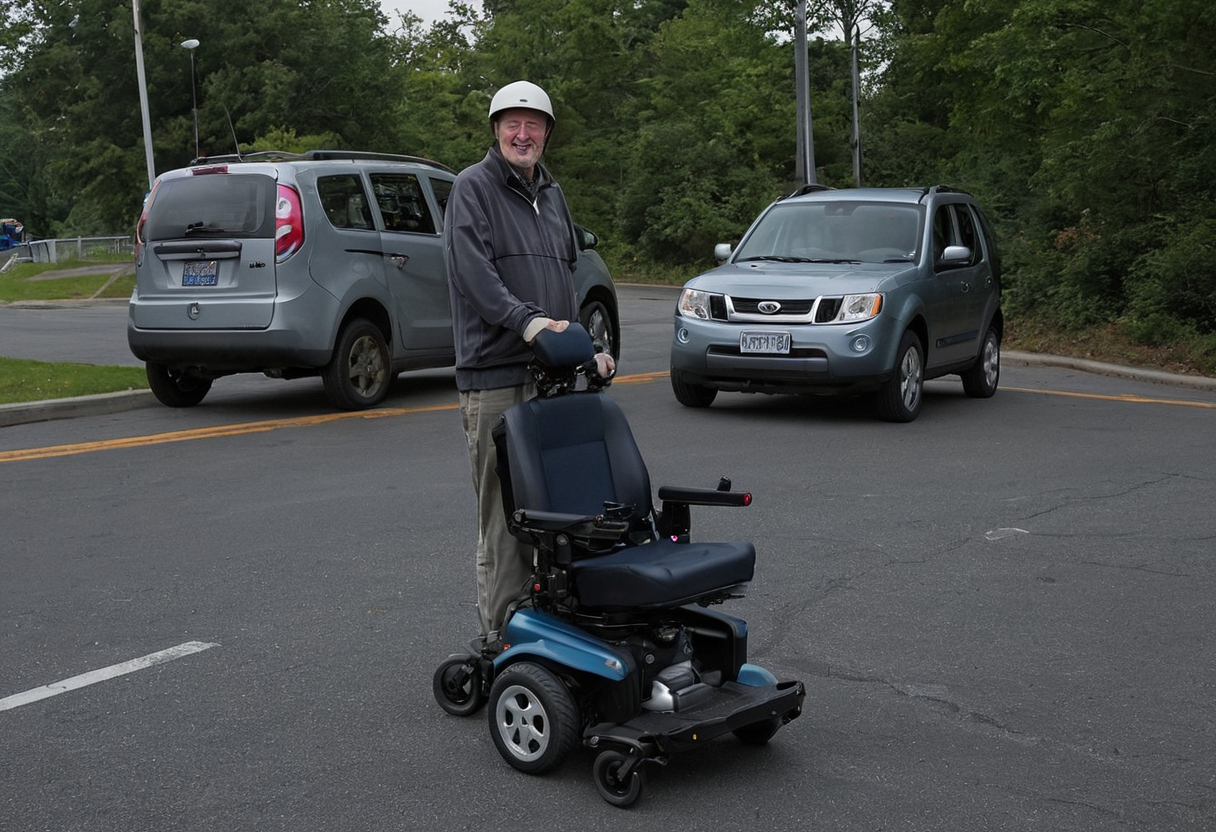
The fiberglass or ABS plastic cabin of an enclosed mobility scooter adds 80 to 150 pounds to the base unit, reducing the available payload for the rider and cargo. Heavier frames also need larger battery banks, which can limit total range unless upgraded lithium cells are specified.
What are the weight, payload, and battery range trade-offs.
Curb weight comparisons show a substantial gap between chassis types. An open-deck mobility scooter typically weighs 200 to 300 pounds without batteries. The enclosed version built on a similar frame often reaches 350 to 450 pounds fully assembled. That added mass directly subtracts from the manufacturer-rated payload capacity. A model rated for a 400-pound maximum load leaves only 250 to 320 pounds for the rider, personal items, and groceries once the cabin hardware is accounted for.
Battery capacity must scale with this extra weight. Enclosed models generally ship with 12-volt batteries wired in series to produce 24-volt systems, often ranging from 50Ah to 100Ah per cell. Standard sealed lead-acid batteries struggle under the continuous draw of moving a heavier vehicle while powering climate control fans or defrosters. Upgrading to lithium iron phosphate cells reduces battery pack weight by roughly 40 percent compared to lead-acid equivalents and sustains voltage output longer during high-draw operations.
Real-world range estimates drop when the cabin enclosure is active. A scooter promising 25 miles on an open deck may deliver only 15 to 20 miles inside a sealed cabin running ventilation equipment. To plan around these reduced margins, check actual usable distance rather than relying on ideal-condition ratings. The mobility scooter maintenance guide covers how seal inspections and fan upkeep preserve that operational range over time. Check whether your specific daily route fits within these tighter electrical limits before moving to the final measurement checklist.
Checklist: Is an enclosed mobility scooter right for your route?
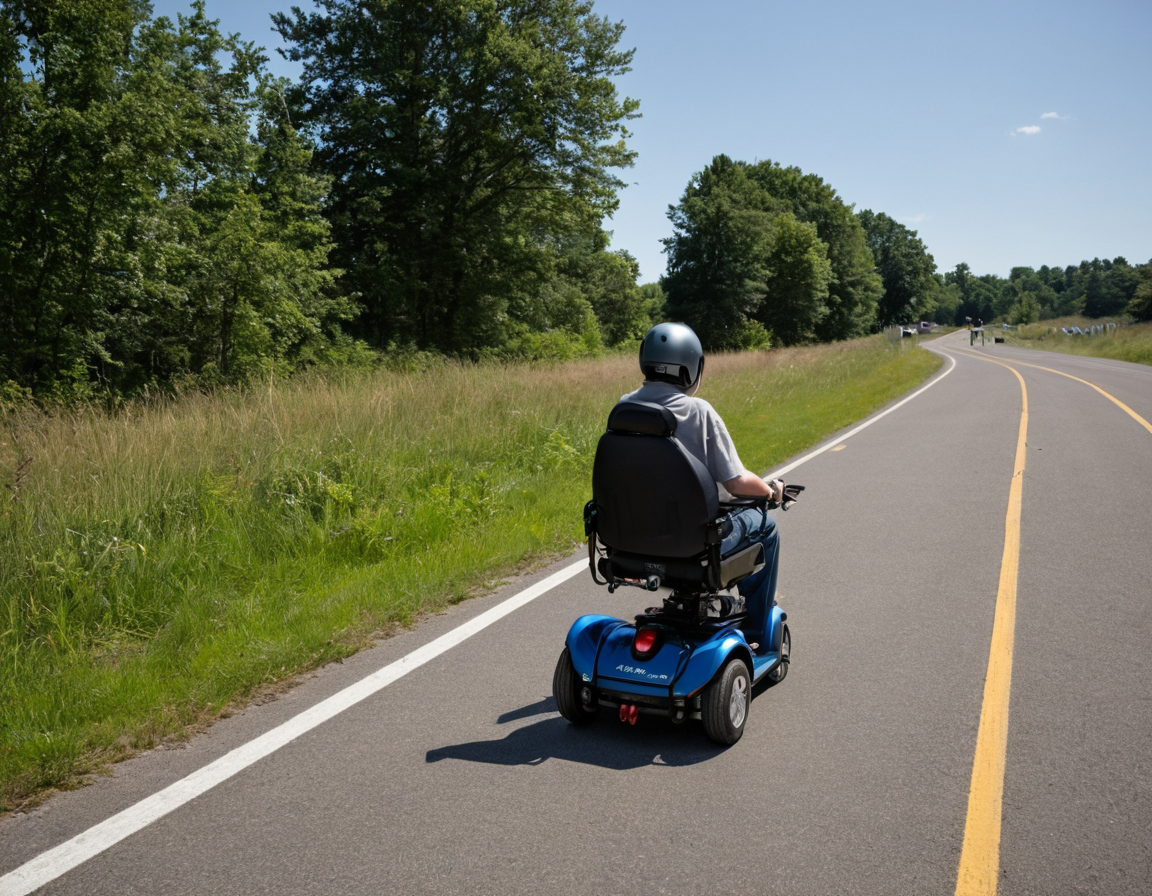
Choosing an enclosed mobility scooter means measuring your daily environment against the unit’s physical footprint. Check door thresholds, elevator dimensions, parking storage space, and local road legality before purchasing. This checklist helps ensure the cabin provides protection without creating new access barriers.
Checklist: Is an enclosed mobility scooter right for your route.
A completed measurement workflow replaces assumptions about fit with verified clearances. Buyers who physically map their routes before purchase avoid discovering that weather protection introduced a new barrier at their own front door.
For more on this topic, see other guides on this site.