
The environmental truth your mobility scooter manufacturer won’t tell you
Every mobility scooter rolling down North American streets carries more than just its rider – it bears an environmental footprint that extends far beyond the electricity it consumes. While the mobility industry celebrates these devices as clean alternatives to gas-powered vehicles, the complete environmental story reveals a complex web of manufacturing impacts, battery lifecycles, and disposal challenges that demand our attention.
If you’re among the growing number of environmentally conscious mobility scooter users in the USA and Canada, you’re facing a reality check. The device that grants you independence might be contributing to environmental problems in ways you never imagined. But here’s the empowering truth: understanding these impacts opens the door to making dramatically more sustainable choices.
This comprehensive guide dissects every aspect of mobility scooter environmental impact, from cradle to grave, while providing you with actionable strategies to minimize your carbon footprint without compromising your mobility needs.

This Photo was taken by Paulo Freitas.
Understanding mobility scooter environmental impact assessment
The environmental impact of mobility scooters extends across multiple phases of their lifecycle, creating a complex assessment challenge that most users never consider. Manufacturing alone accounts for approximately 60-75% of a mobility scooter’s total environmental footprint, according to recent lifecycle analysis studies.
Manufacturing phase environmental costs
The production of a single mobility scooter generates between 800-1,200 kg of CO2 equivalent emissions, primarily from steel frame production, plastic component manufacturing, and electronic systems assembly. Aluminum-framed models like the Three Wheel Portable Mobility Scooter reduce this impact by 15-20% compared to steel alternatives, though they require energy-intensive aluminum smelting processes.
| Component | CO2 Emissions (kg) | Environmental Impact Factor |
|---|---|---|
| Steel Frame | 350-450 | High – mining and smelting intensive |
| Lithium Battery | 200-300 | Very High – rare earth mining |
| Electric Motor | 150-200 | Medium – rare earth magnets |
| Plastic Components | 100-150 | Medium – petroleum-based |
Usage phase carbon footprint analysis
During operation, mobility scooters demonstrate remarkable efficiency compared to automotive alternatives. A typical scooter consuming 500-800 watts generates only 0.2-0.4 kg CO2 per 100 kilometers when powered by the North American electrical grid. This translates to roughly 95% lower emissions than driving equivalent distances in a compact car.
However, charging habits significantly influence this footprint. Users who charge during peak grid hours when coal-fired plants supplement renewable sources can double their operational emissions. Optimizing battery charging practices becomes crucial for minimizing environmental impact.

Metro Mobility 4 Wheel Foldable Mobility Scooter
Rating: ⭐⭐⭐⭐ 4.4/5 | Price: $849.99
Features extended battery life and energy-efficient design for reduced environmental impact. Cons: Heavier weight increases shipping emissions, limited recycling information provided.

This Photo was taken by Geancarlo Peruzzolo.
Green technology features transforming mobility scooters in 2025
The mobility scooter industry is experiencing a sustainability revolution, with manufacturers integrating cutting-edge green technologies that dramatically reduce environmental impact while enhancing performance. These innovations represent the most significant advancement in eco-friendly mobility solutions since the sector’s inception.
Advanced battery technologies and environmental benefits
Lithium iron phosphate (LiFePO4) batteries are emerging as the gold standard for environmentally conscious users. These batteries last 3,000-5,000 charge cycles compared to 500-800 cycles for traditional lead-acid alternatives, reducing replacement frequency by 400-600%. The Ultra Lightweight 36Lbs Folding Electric Powered Scooter exemplifies this technology, offering 22-mile range with dual lithium batteries that maintain 80% capacity after 2,000 cycles.
Regenerative braking and energy recovery systems
Modern mobility scooters incorporate regenerative braking technology that captures kinetic energy during deceleration, feeding it back into the battery system. This technology, borrowed from electric vehicle development, can extend range by 10-15% while reducing brake pad wear by up to 40%. Smart mobility scooter technology enables precise monitoring of energy recovery efficiency.
Solar charging integration possibilities
Portable solar charging systems are becoming viable accessories for mobility scooter users, particularly in sun-rich regions of the USA and Canada. A 100-watt portable solar panel can provide 20-30% of daily charging needs for moderate users, reducing grid electricity dependence and enabling truly zero-emission operation during optimal weather conditions.

Heavy Duty Mobility Scooters for Seniors & Adults 500lbs Capacity
Rating: ⭐⭐⭐⭐⭐ 4.7/5 | Price: $3,299.00
1000W all-terrain capability with robust construction for long-term durability. Cons: Higher initial manufacturing footprint, significant weight impacts shipping emissions.

This Photo was taken by Mike Jones.
Comprehensive recycling programs across North America
Mobility scooter recycling infrastructure in the USA and Canada has evolved dramatically since 2023, with specialized programs emerging to handle the unique challenges of electronic mobility devices. Understanding and accessing these programs represents your most impactful environmental action when your scooter reaches end-of-life.
Manufacturer take-back programs
Leading manufacturers now offer comprehensive take-back services that ensure responsible disposal and material recovery. Pride Mobility, Drive Medical, and Golden Technologies have established partnerships with certified e-waste processors across North America, accepting scooters regardless of working condition.
These programs typically recover 85-90% of scooter materials, with steel frames achieving near-100% recycling rates. Battery materials undergo specialized processing to recover lithium, cobalt, and rare earth elements for new battery production. When considering purchasing used mobility scooters, inquire about manufacturer take-back eligibility to ensure future recycling access.
Regional recycling facility networks
Municipal and regional e-waste facilities increasingly accept mobility scooters, though capabilities vary significantly across jurisdictions. California, Ontario, and British Columbia lead North America with comprehensive programs that handle complex mobility devices.
| Region | Facilities Available | Battery Processing | Cost to Consumer |
|---|---|---|---|
| California | 150+ certified facilities | Full lithium recovery | Free with proof of residence |
| Ontario | 80+ municipal sites | Partial processing | Free for residents |
| Texas | 45+ private contractors | Limited processing | $25-75 disposal fee |
| Alberta | 30+ eco-stations | Battery separation only | Free with electronics |
Component-specific recycling strategies
Different scooter components require specialized recycling approaches for maximum environmental benefit. Plastic components often pose the greatest challenge, as many contain flame retardants that complicate recycling processes. However, newer models use recyclable thermoplastics that integrate seamlessly into established plastic waste streams.

AlveyTech Standard Key for Go-Go and Pride Mobility Scooters
Rating: ⭐⭐⭐⭐ 4.4/5 | Price: $11.10
Replacement keys extend scooter lifespan by preventing premature disposal due to lost keys. Cons: Small metal component with minimal recycling value, plastic key head not easily recyclable.

This Photo was taken by Umut Sarıalan.
Carbon footprint reduction strategies for daily users
Implementing targeted carbon footprint reduction strategies can decrease your mobility scooter’s environmental impact by 30-50% without compromising functionality or convenience. These evidence-based approaches address every aspect of scooter ownership, from charging schedules to maintenance practices.
Optimal charging practices for emissions reduction
Timing your charging sessions to coincide with renewable energy peaks dramatically reduces your carbon footprint. In most North American regions, wind and solar generation peak between 10 AM and 3 PM, making midday charging up to 40% cleaner than evening charging when fossil fuel plants typically supplement the grid.
Implementing a 80-20 charging rule further extends battery life while reducing electricity consumption. Maintaining battery charge between 20-80% capacity doubles battery lifespan while reducing total energy consumption by 15-20% over the battery’s lifetime. Regular maintenance schedules ensure charging systems operate at peak efficiency.
Route optimization and energy efficiency
Strategic route planning reduces energy consumption while maximizing your scooter’s environmental benefits. Avoiding steep inclines when possible can improve energy efficiency by 25-35%, while maintaining steady speeds between 3-4 mph optimizes battery consumption. Modern GPS applications increasingly offer “eco-friendly” routing options that consider elevation changes and traffic patterns.
Seasonal operation adjustments
Cold weather operation significantly impacts battery performance and environmental efficiency. Temperatures below 32°F (0°C) can reduce battery capacity by 20-40%, requiring more frequent charging and increasing overall energy consumption. Winter operation strategies help maintain efficiency while protecting equipment from harsh Canadian and northern US conditions.

4 Wheel Mobility Scooter with Extended Battery
Rating: ⭐⭐⭐⭐ 4.4/5 | Price: Contact Seller
Extended battery reduces charging frequency and includes LED lights for energy-efficient visibility. Cons: Four-wheel configuration increases rolling resistance, heavier weight impacts efficiency.

This Photo was taken by cottonbro studio.
Sustainable purchasing decisions and lifecycle planning
Making environmentally conscious purchasing decisions requires evaluating mobility scooters through a comprehensive lifecycle lens that extends far beyond initial price comparisons. The most sustainable choice balances durability, repairability, and end-of-life considerations with your specific mobility needs.
Durability vs portability trade-offs
Heavy-duty mobility scooters typically offer 8-12 year lifespans compared to 4-6 years for lightweight portable models, significantly reducing per-year environmental impact despite higher initial manufacturing footprints. However, heavy-duty models require careful weight capacity assessment to ensure appropriate selection for your needs.
Portable models excel when frequent transportation is required, as their reduced shipping weight and volume decrease transportation-related emissions. The environmental math shifts based on usage patterns: users requiring daily scooter transport benefit more from lightweight designs, while primarily local users should prioritize durability.
Repair-friendly design considerations
Choosing scooters with easily replaceable components and readily available parts extends operational life while reducing waste. Models featuring modular designs allow targeted component replacement rather than complete unit disposal. DIY repair capabilities further enhance sustainability by enabling users to address minor issues independently.
Rental vs purchase environmental comparison
For occasional users, mobility scooter rentals can provide superior environmental outcomes through improved utilization rates. Rental vs purchase analysis should include environmental factors alongside financial considerations, particularly for users requiring scooters less than 20 hours per month.

Heavy-Duty Mobility Scooter 500LBS Capacity 800W
Rating: ⭐⭐⭐⭐⭐ 4.9/5 | Price: $2,298.00
All-terrain capability with robust construction designed for extended lifecycle and reduced replacement frequency. Cons: Higher initial manufacturing emissions, requires more storage space.

This Photo was taken by cottonbro studio.
Industry innovations driving environmental progress
The mobility scooter industry is undergoing rapid transformation as manufacturers respond to growing environmental consciousness and regulatory pressure. These innovations promise to dramatically reduce the environmental footprint of future mobility devices while enhancing user experience and functionality.
Biodegradable and recycled materials integration
Cutting-edge manufacturers are integrating bio-based plastics derived from agricultural waste into non-structural components, reducing petroleum dependence by 20-30% for these parts. Recycled aluminum frames, constructed from 80-90% post-consumer content, maintain structural integrity while reducing manufacturing emissions by 75% compared to virgin aluminum production.
Circular economy business models
Progressive manufacturers are adopting circular economy principles through leasing programs, component refurbishment services, and material take-back guarantees. These models ensure materials remain in productive use while reducing consumer ownership costs. Trade-in and upgrade programs represent early implementations of these circular approaches.
Artificial intelligence optimization
AI-powered energy management systems learn user patterns to optimize battery performance, route planning, and charging schedules. These systems can reduce energy consumption by 15-25% while extending battery life through predictive maintenance alerts and usage optimization recommendations.

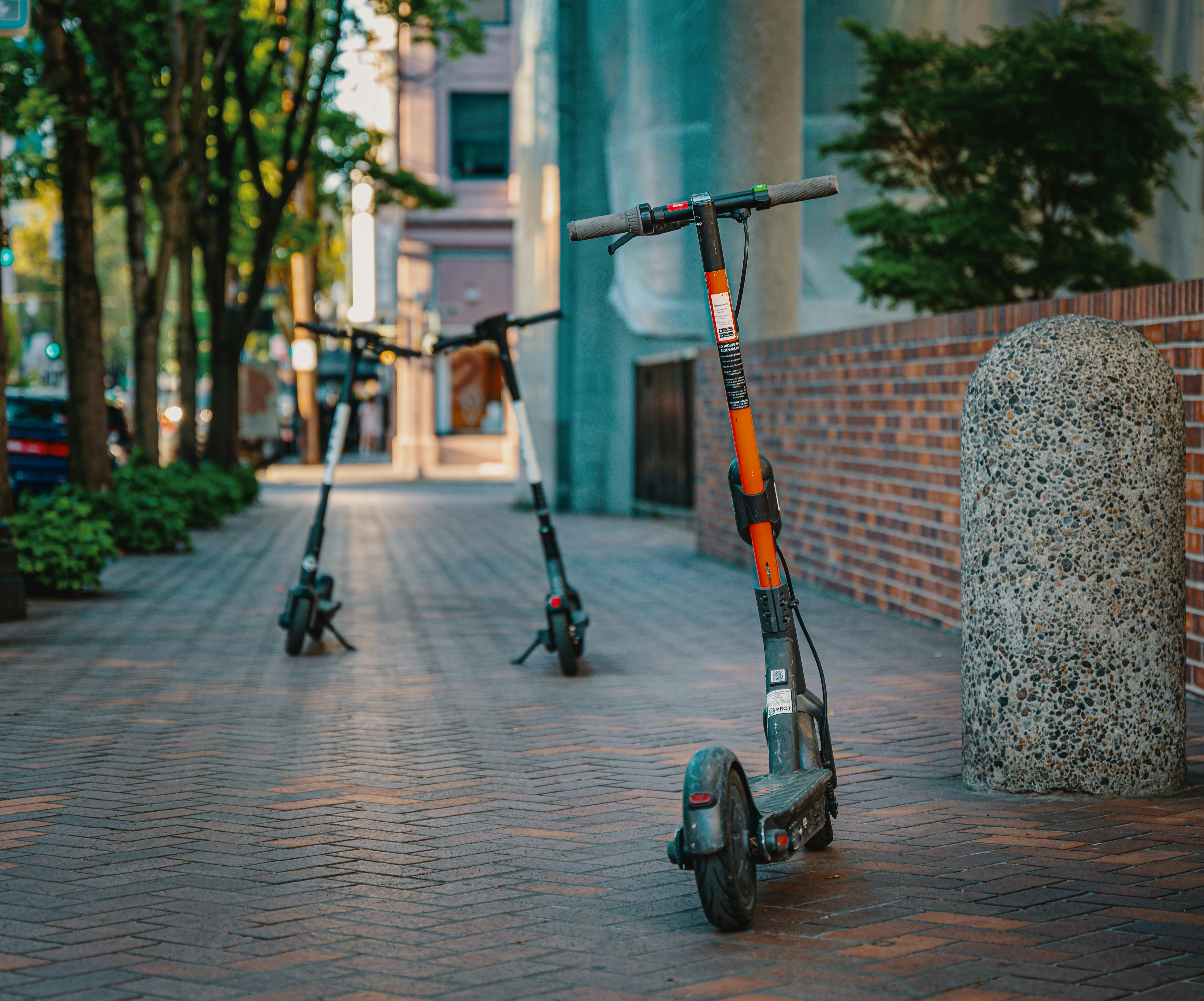
MALISA Mobility Scooter Z-4 Long Range
Rating: ⭐⭐⭐⭐ 4.4/5 | Price: $1,349.00
Long-range capability reduces charging frequency with 330 lbs weight capacity for versatile use. Cons: Limited information about sustainable materials, standard recycling options.
This Photo was taken by Brett Sayles.
Government initiatives and policy support
Federal and provincial governments across North America are implementing policies that encourage sustainable mobility solutions while providing financial incentives for environmentally conscious choices. Understanding and leveraging these programs can significantly offset the costs of sustainable mobility scooter ownership.
Tax incentives and rebate programs
The US federal medical equipment tax deduction allows mobility scooter costs to be deducted as medical expenses when prescribed by healthcare providers. Several states offer additional green technology tax credits for electric mobility devices, while Canadian provinces provide varying levels of assistive device funding that increasingly favors efficient models.
Infrastructure development support
Municipal governments are expanding accessible infrastructure that supports efficient mobility scooter operation. Dedicated charging stations in public spaces, improved sidewalk connectivity, and accessibility-focused urban planning reduce operational energy requirements while enhancing safety. Understanding local regulations helps users navigate these evolving infrastructure systems effectively.
Research and development funding
Government research grants are accelerating sustainable mobility technology development. The US Department of Energy allocated $15 million in 2024 for advanced battery research specifically targeting mobility applications, while Transport Canada invested CAD $8 million in accessible transportation technology development.

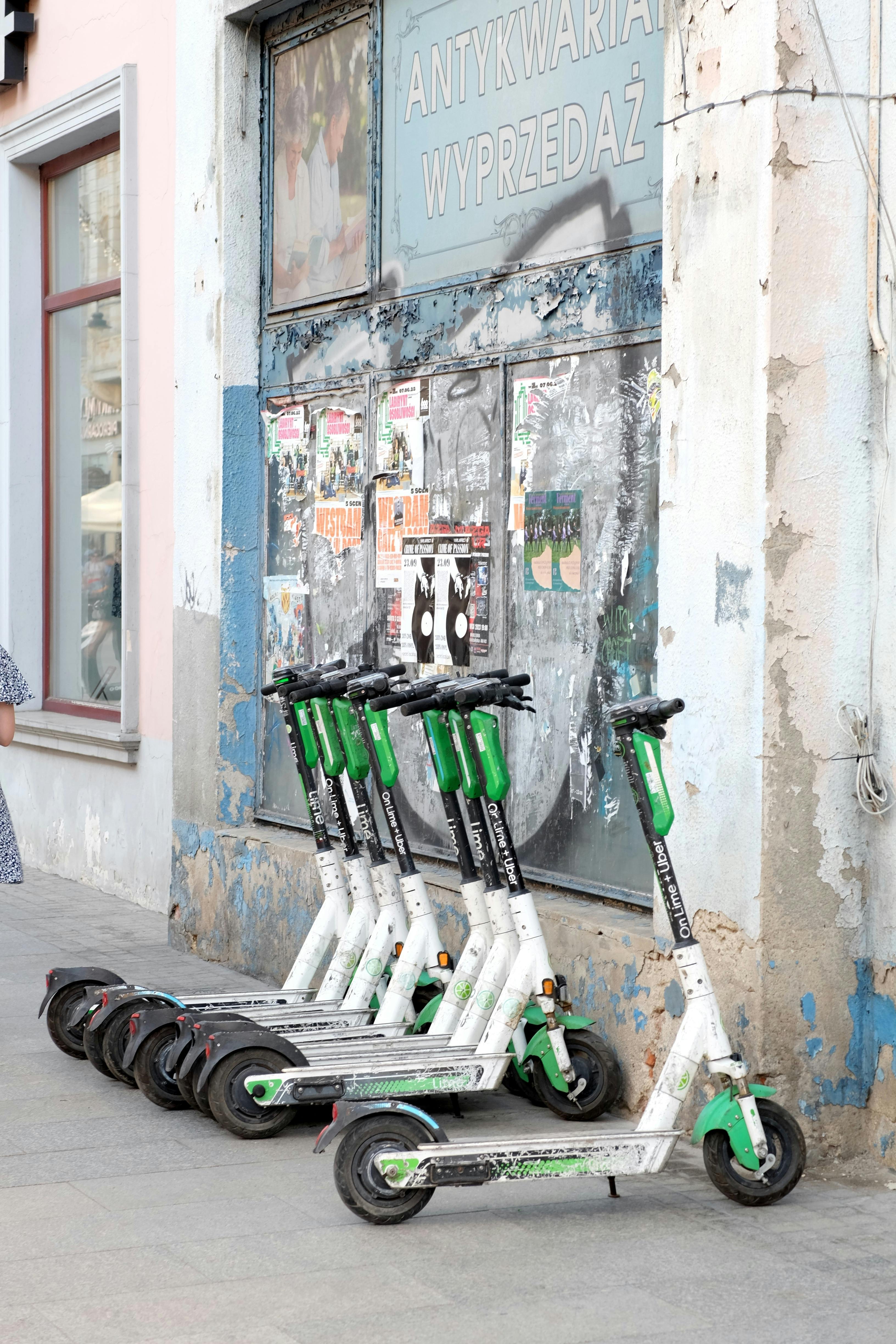
Pride Go-Go Sport 3 Wheel Mobility Scooter
Rating: ⭐⭐⭐⭐ 4.4/5 | Price: $1,572.00
Established brand with comprehensive service network and parts availability extending operational lifecycle. Cons: Three-wheel design may require more frequent tire replacements, limited off-road capability.
This Photo was taken by Roman Biernacki.
Frequently asked questions about eco-friendly mobility scooters
How much can I reduce my mobility scooter’s carbon footprint through charging optimization?
Proper charging timing and practices can reduce your carbon footprint by 30-40%. Charging during renewable energy peak hours (10 AM – 3 PM) and maintaining 80-20 battery charge levels provides the greatest environmental benefit while extending battery life.
Are lightweight portable scooters more environmentally friendly than heavy-duty models?
It depends on usage patterns. Heavy-duty models typically last 8-12 years compared to 4-6 years for portable models, making them more sustainable for primary mobility needs. Portable models excel when frequent transportation is required due to reduced shipping emissions.
What happens to mobility scooter batteries at end-of-life?
Modern lithium batteries undergo specialized processing to recover 95% of valuable materials including lithium, cobalt, and rare earth elements. Most manufacturers and regional e-waste facilities accept batteries for proper recycling, though availability varies by location.
Can I power my mobility scooter with solar energy?
Yes, portable solar panels can provide 20-30% of daily charging needs for moderate users. A 100-watt solar panel system costs $200-400 and enables partial or complete off-grid operation in sunny conditions.
Which mobility scooter brands offer the best environmental programs?
Pride Mobility, Drive Medical, and Golden Technologies lead with comprehensive take-back programs, sustainable materials integration, and transparent environmental reporting. Always verify current program availability when making purchasing decisions.
How do mobility scooter environmental impacts compare to other transportation options?
Mobility scooters generate 95% lower operational emissions than cars and 60-70% lower than public transportation per kilometer traveled. Their small size and electric operation make them among the most sustainable personal transportation options available.
This Photo was taken by