
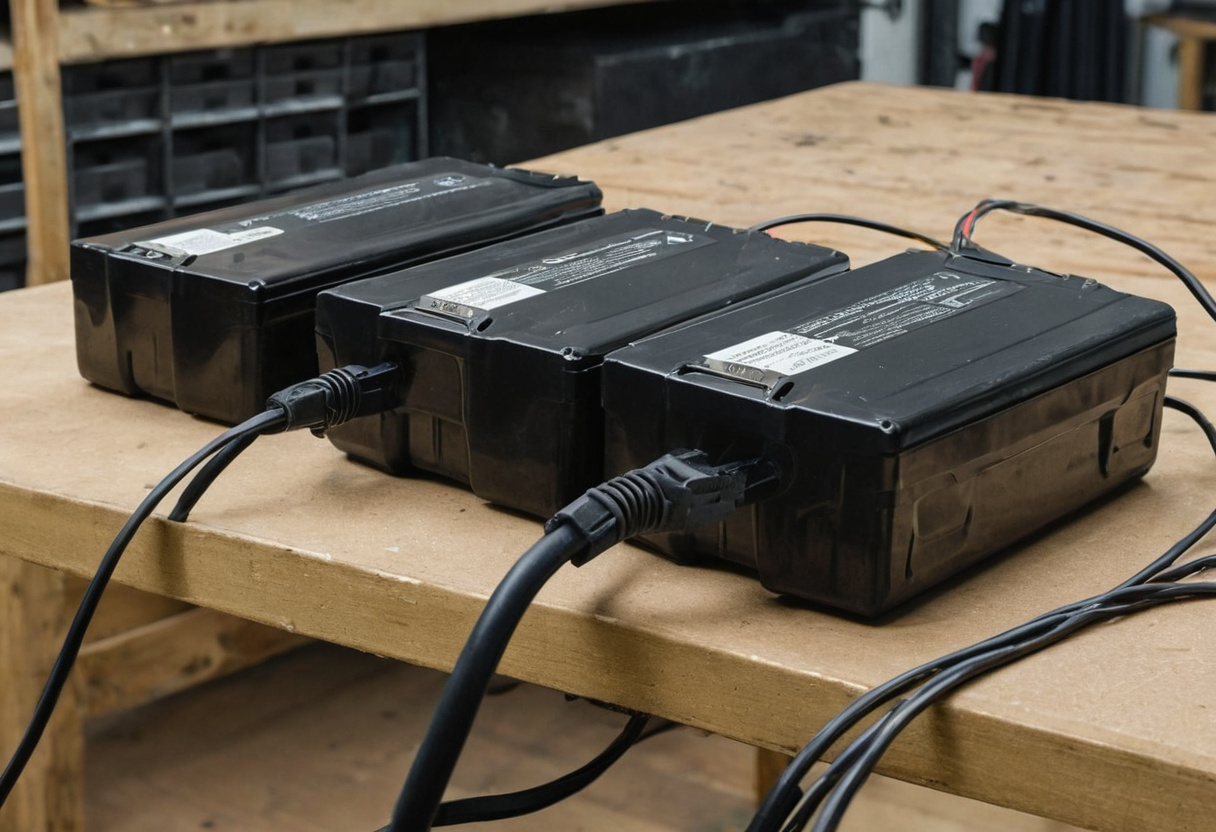
Mobility scooter batteries come in two families, and the choice is a cost-over-time question rather than a price question. Sealed lead-acid packs cost less to buy and are heavier, less tolerant of deep discharge, and shorter-lived. Lithium packs cost more up front, weigh a fraction as much, and take far more charge cycles before capacity falls away. Compare the manufacturer’s cycle rating and warranty, not the shelf price.
A battery that dies halfway through an errand is the failure owners remember, and replacing packs sooner than you expected is the cost that stings. Both usually trace back to the same two things: which chemistry you bought, and how you charge it.
Battery technology has evolved dramatically in 2025, but the mobility industry still pushes outdated lead-acid solutions that benefit their bottom line, not your daily life. This complete guide cuts through the marketing noise to reveal the real-world performance differences between lithium and lead-acid batteries, proven charging strategies that can triple your battery lifespan, and innovative range extension techniques that savvy users across the USA and Canada are already implementing.
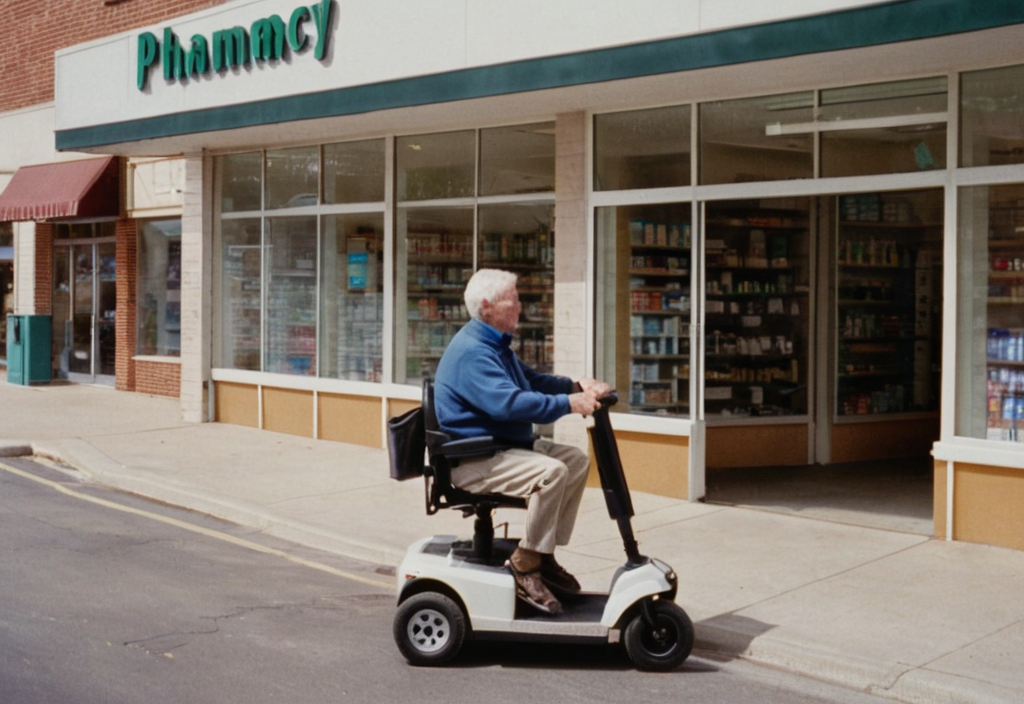
- In the U.S., 27.7% of adults 65+ and 16.8% of adults 45–64 report a mobility disability (serious difficulty walking or climbing stairs).
- In Canada, about 3.13 million adults live with a mobility-related disability, which is 63% of disabled seniors.
- Mobility disability is reported more often by women than men (13.6% vs 10.5%).
Sources: U.S. CDC Disability & Health Data System (DHDS), BRFSS 2021; Statistics Canada, Canadian Survey on Disability 2022.
Lithium changed what a scooter battery costs to own
Lead-acid ran this market for decades on price, and it still wins on the price tag. Lithium wins on the things measured over the life of the scooter: it weighs roughly a third as much for the same capacity, it takes far more charge cycles before it is finished, and it does not punish you for topping it up before it is flat.
Which one belongs on your scooter depends on how you actually use it. If the scooter stays at home and lives on its charger, lead-acid is hard to argue with. If you lift the battery yourself, or lift the scooter into a car, or ride far enough to think about range, the weight and the cycle life are the whole reason to pay more.
Understanding battery chemistry fundamentals
Lead-acid batteries work through a chemical reaction between lead plates and sulfuric acid electrolyte. When you discharge the battery, the lead plates convert to lead sulfate, and the process reverses during charging. This technology, essentially unchanged since the 1850s, has inherent limitations that become apparent with regular use.
Lithium batteries use lithium iron phosphate (LiFePO4) chemistry, where lithium ions move between electrodes during charge and discharge cycles. This modern approach eliminates many of the problems plaguing lead-acid technology, including sulfation, memory effects, and rapid capacity loss.

Three Wheel Portable Mobility Scooter for Adults
Rating: ⭐⭐⭐⭐ 4.4/5
Aircraft-grade aluminum construction with 13-mile range and airline approval. Lightweight design perfect for travel, though limited weight capacity may not suit all users.
Cons: Lower weight capacity, three-wheel design less stable on uneven terrain
Buy on Amazon
Lithium vs lead-acid: the real performance data
The gap between the two chemistries is wider than the capacity label suggests. The figures below are the ranges manufacturers publish for the cell types used in mobility scooters, so read them as the shape of the difference rather than as a specification for any one battery, and check the datasheet for the pack you are actually buying.
| Performance Factor | Lead-Acid Battery | Lithium Battery | Real-World Impact |
|---|---|---|---|
| Cycle Life | 300-500 cycles | 2,000-5,000 cycles | 4-10 times longer lifespan |
| Weight | 45-65 lbs (pair) | 12-18 lbs (equivalent capacity) | Easier transport and handling |
| Charge Time | 8-12 hours | 2-4 hours | Same-day reuse capability |
| Usable Capacity | 50% (deep discharge damage) | 95% (no damage risk) | Nearly double effective range |
| Temperature Performance | Loses noticeable range in cold; can still be charged below freezing | Runs in the cold, but must not be charged below 0°C (32°F) | A lithium pack has to come indoors to charge in winter |
That last row matters more than it looks, and it is the one place lithium is the fussier chemistry. A lithium cell will happily discharge well below freezing, but charging one below 0°C plates metallic lithium onto the anode and does permanent damage to both performance and safety (Battery University). In a real winter that means bringing the battery indoors to charge rather than leaving it on the charger in an unheated garage.
The hidden costs of lead-acid batteries
Lead-acid batteries appear cheaper upfront, but this initial savings disappears quickly when you factor in replacement frequency and performance degradation. A typical lead-acid battery pair costs $200-400 and requires replacement every 12-18 months with regular use. Over a five-year period, you’ll spend $1,000-2,000 on battery replacements alone.
Lithium packs cost more up front than lead-acid and last longer with proper care, so the cost per year of service usually works out lower even though the sticker price is higher. Compare the manufacturer’s cycle rating and warranty on the exact packs you are choosing between, because those two numbers decide the arithmetic far more than the purchase price does.
Related buying guides: Long-Range Scooters, 4-Wheel Scooters, Budget Scooters, and the full catalog and mobility statistics.