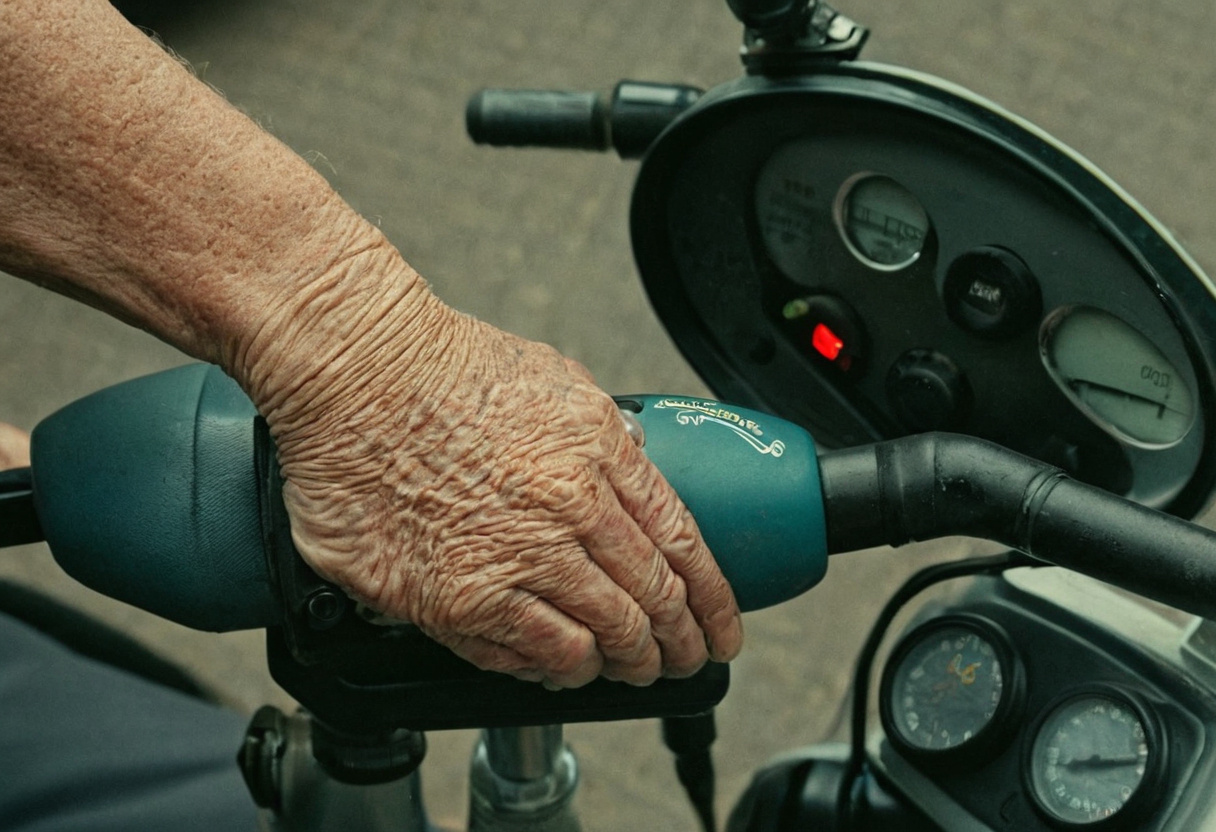
Match the scooter to the condition rather than to the spec sheet. Arthritis makes the controls the priority: a light throttle, a swivel seat, adjustable armrests. MS makes adaptability the priority, because a folding model and heat management suit a week that varies. COPD makes range margin and a secure oxygen holder the priority. Recovery from surgery is temporary, which usually turns the question into renting rather than buying.
- In the U.S., 27.7% of adults 65+ and 16.8% of adults 45–64 report a mobility disability (serious difficulty walking or climbing stairs).
- In Canada, about 3.13 million adults live with a mobility-related disability, which is 63% of disabled seniors.
- Mobility disability is reported more often by women than men (13.6% vs 10.5%).
Sources: U.S. CDC Disability & Health Data System (DHDS), BRFSS 2021; Statistics Canada, Canadian Survey on Disability 2022.
Choosing a mobility scooter is easier when you start from your health, not the spec sheet. The features that matter most depend on the condition you’re managing, so here is how four common ones, arthritis, multiple sclerosis, COPD and recovery from surgery, line up with the things worth looking for.
Arthritis
When your hands, wrists, or shoulders are sore and stiff, the way you operate a scooter matters as much as how it drives. Painful joints make small, fiddly controls and hard seats frustrating fast, so the goal is a scooter that asks very little of your body.
- Easy, low-effort controls: look for a simple throttle you can work with a light touch, comfortable grips, and buttons that don’t require pinching or twisting. Anything you can operate with the side of your thumb or your palm helps on stiff days.
- A padded, swivel seat: extra cushioning eases pressure on hips and lower back, and a seat that rotates lets you get on and off without twisting sore joints.
- A smooth ride: good suspension or cushioned tires soften bumps and cracks in the sidewalk, which spares aching joints from jolts.
- Adjustable armrests and tiller: being able to fine-tune the height means you’re not straining your shoulders to reach the controls.
Because arthritis can vary day to day, test how a scooter feels on a bad day, not a good one.

Go-Go Ultra X 3-Wheel Travel Mobility Scooter
current price on Amazon
★★★★☆ 4.6/5
Ideal for arthritis patients with its tight turning radius and comfortable seating. However, the 3-wheel design may feel less stable for some users with balance concerns.
Buy on AmazonMultiple sclerosis
MS tends to mean a variable, appointment-heavy life, where some days are steady and others bring fatigue, weakness, or balance changes. A scooter that adapts to that unpredictability is more useful than one built for a single, fixed routine.
- Folds or comes apart easily: if you’re often heading to clinics, therapy, or errands, a model that folds or breaks into pieces for the car saves energy and makes it realistic to bring along.
- Fatigue-friendly: a comfortable seat with back support, simple controls, and a design that doesn’t demand strength to steer all help you conserve energy over the day.
- Heat management: many people with MS are sensitive to heat. Practical touches such as breathable seating, a canopy for shade and storage for water can make warm-weather trips more manageable.
- Stability: if balance or leg strength fluctuates, a stable base, a supportive seat, and confident handling give you something dependable to rely on when your body isn’t.
Since symptoms can shift over time, it’s worth thinking about how a scooter will serve you not just today but through the ups and downs ahead.

30 Miles Long Range 4 Wheel Electric Mobility Scooter
current price on Amazon
★★★★☆ 4.6/5
Perfect for MS patients needing extended range for unpredictable symptom days. The foldable design offers flexibility, though the battery may require regular maintenance for optimal performance.
Buy on AmazonCOPD
With COPD, the scooter’s job is to keep you moving without leaving you breathless or stranded. Conserving energy and having enough range are the priorities, and if you use supplemental oxygen, carrying it safely is essential.
- Enough range for your day: choose a scooter whose battery comfortably covers your typical outings with margin to spare, so you’re never stuck partway and forced to exert yourself. Consider your longest regular trip, not the average one.
- A safe way to carry oxygen: if you use a portable oxygen tank or concentrator, look for a dedicated holder or a secure spot designed to keep it upright and stable while you ride, rather than balancing it on your lap.
- Effort-saving comfort: a supportive seat and easy controls mean you spend energy on living your day, not on managing the scooter.
- Storage for essentials: a basket or bag keeps medication, water, and belongings within reach so you’re not making extra trips.
How you’ll carry oxygen safely is a good thing to confirm with your doctor or equipment supplier before you buy.
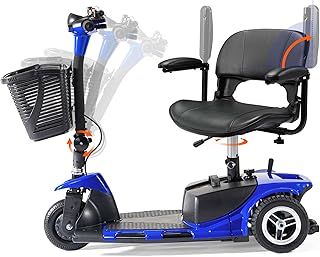
3 Wheel Mobility Scooters for Adults
current price on Amazon
★★★★★ 4.9/5
Excellent for COPD patients with its lightweight design and easy operation. The compact folding feature is convenient, though storage space for oxygen equipment may be limited.
Buy on AmazonPost-surgery recovery
Recovering from surgery, a hip or knee replacement for instance, is often temporary, so the calculation is different. You want independence for a season, not necessarily a scooter for life, which shifts the focus toward value, easy handling, and whether you should own one at all.
- Lightweight and easy to manage: a lighter, simpler scooter is easier for a caregiver to lift into a car and less of a commitment while you heal.
- Value for temporary use: if you only need help for a few weeks or months, a straightforward, budget-friendly model often makes more sense than a fully featured one.
- Rent versus buy: renting can be the smart choice for short-term needs, while buying may pay off if recovery is long or your mobility needs are likely to continue. Weigh how long you’ll realistically need it.
- Comfort while you heal: a cushioned seat and smooth ride keep pressure off healing areas and make getting out of the house feel worthwhile again.
Your surgeon or physical therapist can tell you when a scooter is appropriate and how long you’re likely to lean on it.
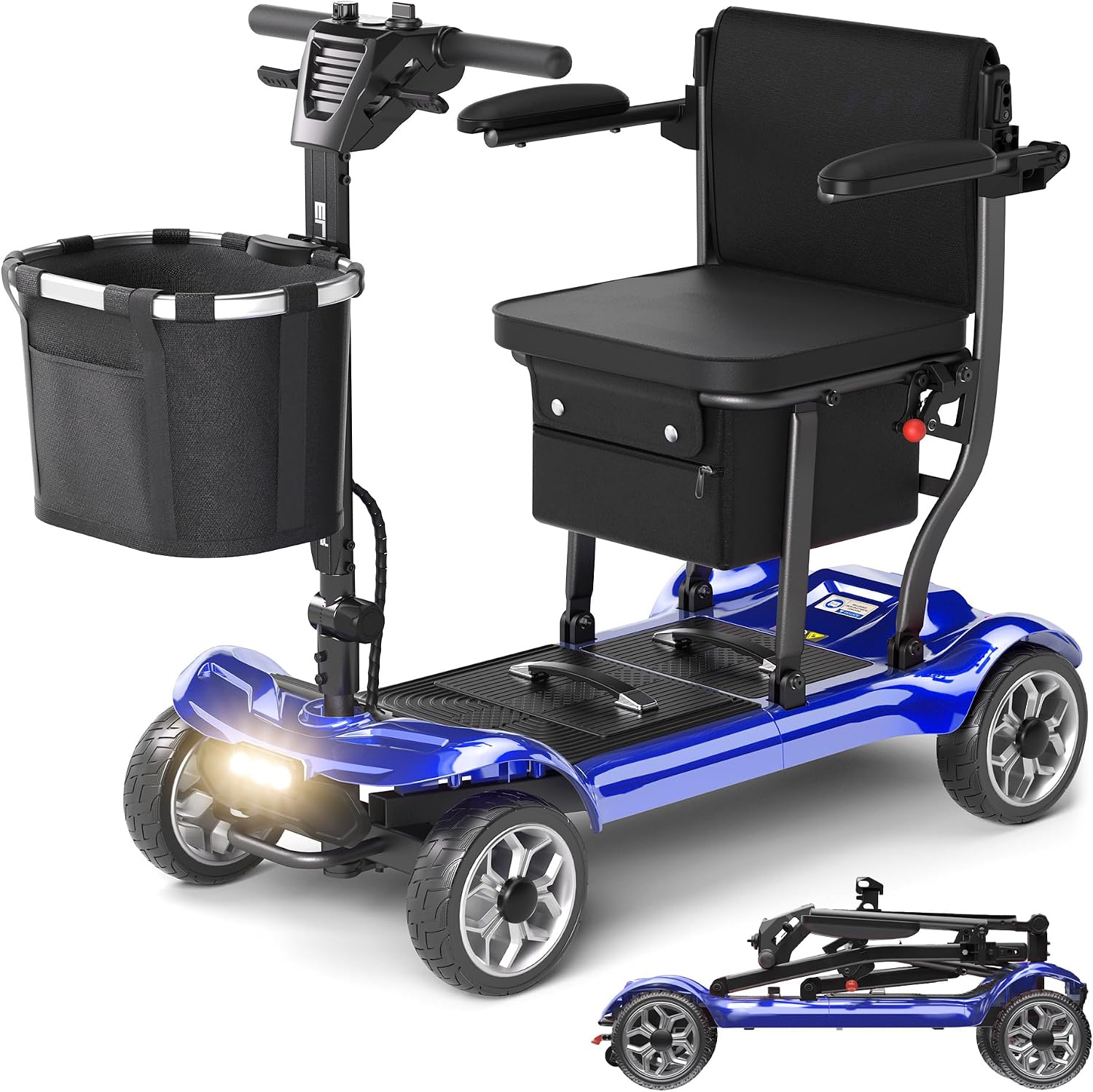
Lightweight Folding Mobility Scooter
current price on Amazon
★★★★★ 4.7/5
Ideal for post-surgery patients with its 47lb weight and easy folding mechanism. The removable battery makes transport simple, though the lower weight capacity may not suit all users.
Buy on AmazonCondition & scooter FAQ
Which scooter is best for my condition?
There’s no single “best”. The right fit depends on your symptoms, your body, and how you live day to day. Use the features above as a starting point, then match them to your own routine. For a personalized recommendation, talk with your doctor, physical therapist, or a mobility equipment specialist who can factor in your specific needs.
Should I rent or buy if I only need one for a while?
If your need is short-term, such as recovering from surgery, renting can save money and spare you from owning equipment you’ll soon set aside. If your mobility needs are ongoing or likely to grow, buying usually makes more sense. Consider how many months you expect to use it and whether your situation is temporary or long-lasting.
Can I safely carry an oxygen tank on a scooter?
Many scooters can be set up to carry oxygen, but it needs to be secured properly and kept stable, not held loose on your lap. Look for a model with a suitable holder or mounting spot, and check with your doctor or oxygen supplier on the safest way to transport your equipment.
Other models worth comparing: the Journey Adventure scooter.