A mobility scooter for a child has to fit a body that is still changing, so the questions differ from an adult purchase. Check the manufacturer’s stated rider size and weight range rather than eyeballing it, and ask specifically how the seat, tiller and footrest adjust, because that answer decides how many years the scooter covers. A speed limiter is what lets confidence build safely. Let the child help choose it.
- In the U.S., 27.7% of adults 65+ and 16.8% of adults 45–64 report a mobility disability (serious difficulty walking or climbing stairs).
- In Canada, about 3.13 million adults live with a mobility-related disability, which is 63% of disabled seniors.
- Mobility disability is reported more often by women than men (13.6% vs 10.5%).
Sources: U.S. CDC Disability & Health Data System (DHDS), BRFSS 2021; Statistics Canada, Canadian Survey on Disability 2022.
Choosing a mobility scooter for a child or teen is a little different from choosing one for an adult. The fit has to match a growing body, the controls have to suit a younger rider, and the whole thing works best when your child feels part of the decision. This guide walks through what to weigh so the scooter supports independence today and still fits well down the road.
Start with the right fit
A scooter that fits well is safer and far more comfortable to use for long stretches, so fit comes before features. Because young riders vary so much in height, build, and posture, the best sizing guidance comes from the people who know your child’s body: their doctor, physical therapist, or an occupational therapist. Ask them about:
- Seat width and depth, and whether extra postural support or a specialized cushion is needed.
- Where the feet rest, and whether legroom and footplate position suit your child’s proportions.
- Whether the recommended rider weight and size range genuinely matches your child. Check the manufacturer’s stated figures rather than guessing.
- How easily your child can get on and off, on their own or with help.
If you can, arrange a trial or fitting so your child actually sits in and steers the scooter before you commit.

Ultra Lightweight Folding Mobility Scooter
Perfect for teens who need portability and style. This 37.5-pound scooter offers airport approval and sleek design that won’t embarrass young users. However, the 275-pound capacity may limit growth accommodation.
current price on Amazon | ⭐ 4.8/5
Buy on AmazonSafety features and supervision
Look for stable, predictable handling and features that help a young rider stay in control: a gentle, easy-to-modulate speed, reliable braking, good lights and reflectors for visibility, and secure seating. Many scooters let you set or limit the top speed, which is useful as your child builds confidence.
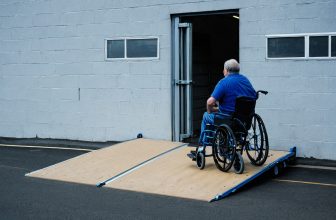
Supervision matters as much as hardware. Agree on where and when the scooter is used, practice together in a calm, open space first, and set clear ground rules for busy areas, crossings, and ramps. How much independence is appropriate depends on your child’s age, coordination, and judgment, and your child’s care team can help you gauge what’s realistic, and it’s fine to expand freedom gradually.

330lbs Max Weight Electric Mobility Scooter
Solid choice for growing teens with sturdy 330-pound capacity and 20-mile range. Safety features include reliable braking and stable platform design. The red color may not appeal to all age groups, and the weight makes portability challenging.
current price on Amazon | ⭐ 4.7/5
Buy on AmazonRoom to grow
Children and teens change quickly, and a scooter is a real investment, so adjustability protects both fit and budget. Features that let the scooter adapt over time include:
- An adjustable seat height, and a backrest or armrests that reposition.
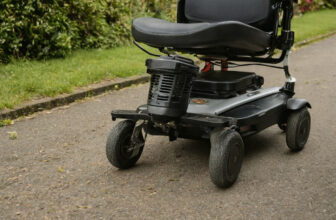
- A tiller (steering column) that tilts or telescopes to match a growing reach.
- Footplate or legroom that can be reset as your child gets taller.
- Availability of replacement or add-on supports, so you can adapt rather than replace.
Ask the seller specifically how the scooter can be adjusted as your child grows, and whether those parts are easy to source later.

23-Mile Range Foldable Mobility Scooter
Exceptional range and dual battery system perfect for active teens. Airport-approved design supports travel and independence. The foldable feature aids transport, though the complexity may overwhelm younger users who prefer simpler operation.
current price on Amazon | ⭐ 4.9/5
Buy on AmazonControls a young person can manage
Independence depends on your child being able to operate the scooter comfortably and confidently on their own. Consider how the throttle or lever works and whether it suits your child’s hand strength and dexterity, how simple it is to start, stop, and steer, and whether the display and buttons are clear and uncluttered. Some riders benefit from alternative or repositioned controls, and an occupational therapist can advise on what will work best. Give your child time to practice; ease of use is really about the match between the controls and this particular rider, not just the spec sheet.

Metro Electric Folding Mobility Scooter
Bright yellow design appeals to younger users while offering 300-pound capacity for growth. Lightweight folding mechanism supports school transport needs. The bold color may not suit all preferences, and folding complexity requires adult assistance for smaller children.
current price on Amazon
Buy on AmazonGetting it to school and activities, and making it their choice
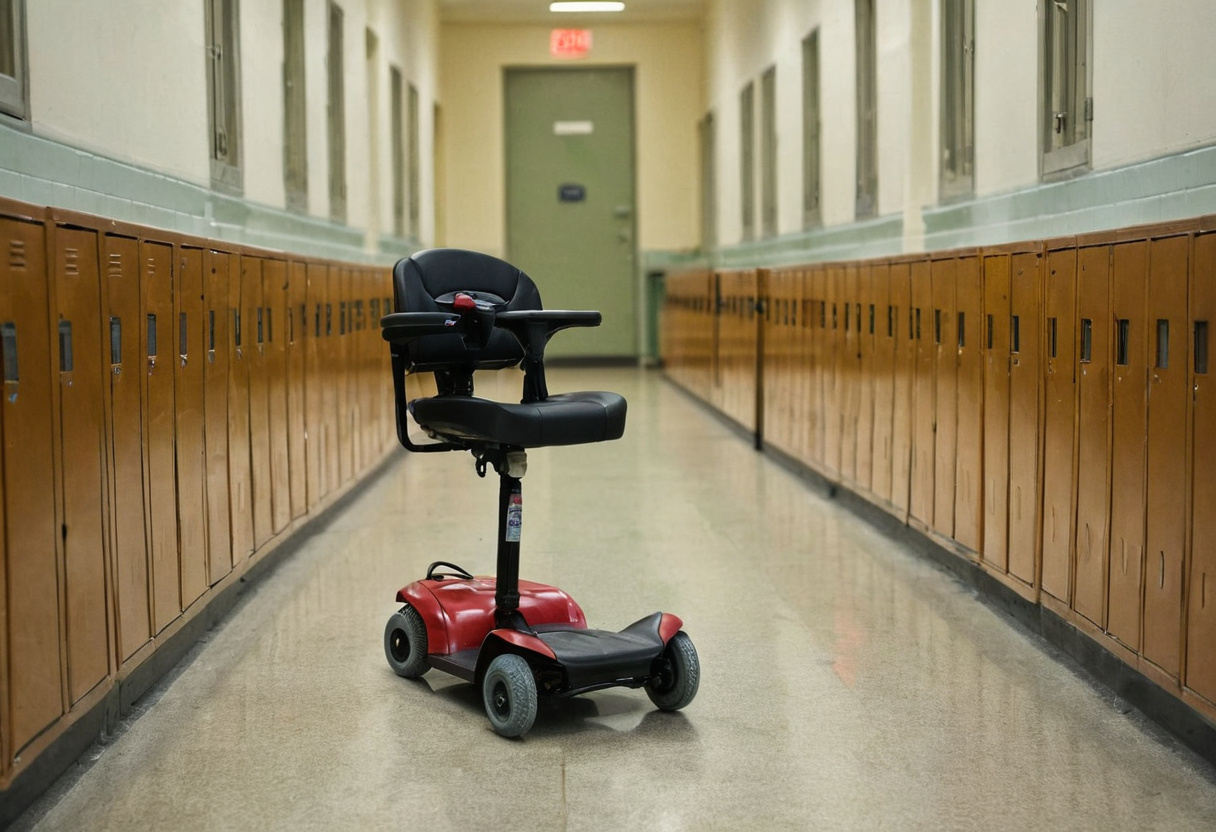
Think through the everyday logistics before you buy. If the scooter needs to travel to school, appointments, or activities, check how it folds or comes apart, how heavy the pieces are to lift, and whether it fits your vehicle. Confirm the battery range comfortably covers a typical day and how charging fits your routine. It’s also worth talking with the school ahead of time about storage, charging, and moving around the building.
Finally, involve your child. Let them try options, weigh in on color and style, and voice what feels comfortable or awkward. A scooter your child helped choose is one they’re far more likely to use happily and take pride in, and their feedback often surfaces fit or comfort issues an adult would miss.

22-Mile Range Lightweight Folding Scooter
FSA/HSA eligible with impressive 22-mile range and dual battery system. At 42 pounds, it’s manageable for teen users. Airlines approval supports family travel. The red color may limit appeal, and the compact size might not accommodate larger teens comfortably.
current price on Amazon | ⭐ 4.7/5
Buy on AmazonKids & teens FAQ
What age can a child start using a mobility scooter?
There’s no single right answer. It depends on the child’s needs, size, coordination, and judgment, not just age. This is a decision to make with your child’s doctor or therapist, who can assess readiness and recommend the safest approach for your situation.
How do I know if a scooter is the right size for my child?
Match your child to the manufacturer’s stated rider size and weight range, and check seat fit, legroom, and reach in person if possible. A physical or occupational therapist can confirm the fit is safe and supportive rather than something your child will quickly outgrow or struggle to control.
Can one scooter last as my child grows?
Often, yes, provided you choose one with an adjustable seat, tiller, and footrest, and confirm that replacement or add-on supports are available. Ask the seller exactly how the scooter adapts over time so you understand how many years of growth it can reasonably cover.