
Mobility Scooters in Toronto
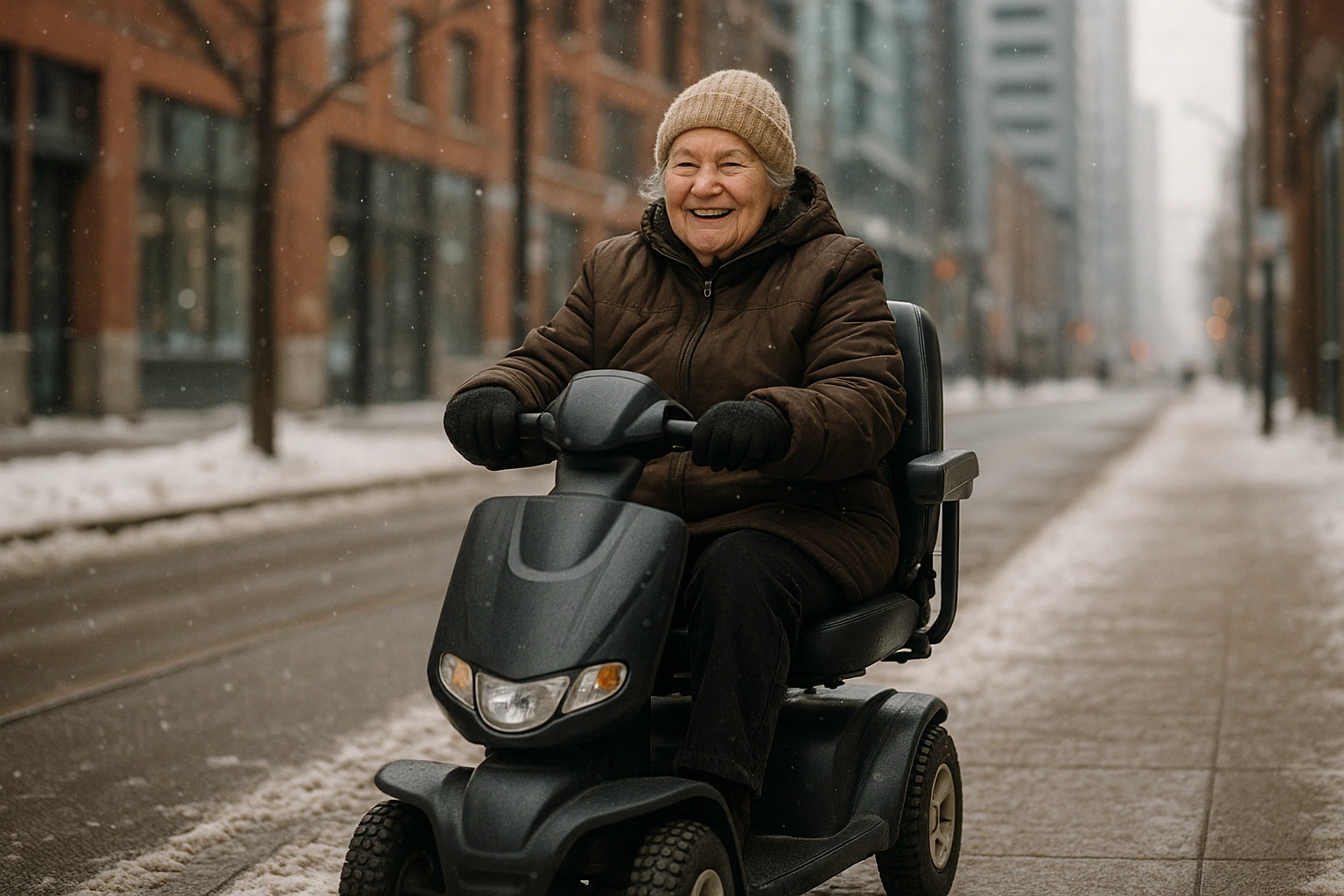
Looking for a mobility scooter in Toronto, to buy, to rent, or to get funded through the province? Toronto is dense and mostly flat, but its long, salty winter is the thing that really shapes what you should buy and how you use it. This guide is written for Toronto: our top pick, where to rent locally, how to ride through the cold and slush, accessible TTC and Wheel-Trans (including the stations made accessible this year), Ontario’s Assistive Devices Program, which pays 75% of an approved scooter, and the models that suit a Canadian winter. Polaris Mobility earns a commission on qualifying Amazon purchases through links on this page.
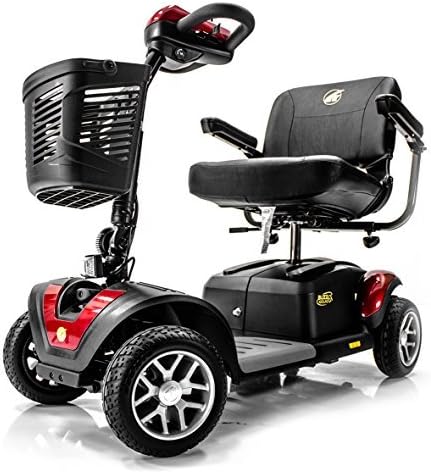
- 4-wheel stability
- Up to 330 lb
- ★ 4.7 rating
- Brand service network
The safest all-round choice for a winter city: four wheels for stability on cold, uneven and slushy pavement, a comfortable seat for short trips between warm indoor stops, and an established brand with a Canadian dealer and service network for when winter takes a toll on any scooter. If you cover longer distances, see the longer-range Glashow S1 in the comparison below.
Prices show in your local currency at checkout. A scooter bought this way is out-of-pocket; see the ADP funding route further down.
Renting vs. buying a mobility scooter in Toronto
Around 140 people a month search “mobility scooter rental Toronto”, and delivery services such as Scootaround will drop one at a downtown hotel or your home for a visit, an event or a short recovery. For regular use through a Toronto winter, though, renting adds up fast and buying is usually cheaper within a season, and the scooter is fitted to you and always ready. Here is how the two really compare:
- Keeps costing you. A travel scooter runs roughly $100 to $200 a week depending on model and city (Scootaround), so a month of regular use is several hundred dollars.
- You hand it back, and it never becomes yours.
- Not fitted or sized to you; you take whatever model is free.
- Delivery windows, deposits and return deadlines to plan around.
- Pays for itself fast. A one-time purchase; after a few weeks of what renting costs you are ahead, and you keep the scooter.
- Always charged, sized to you and ready by the door.
- Spread the cost. Many scooters can be paid in monthly installments at checkout or through your card’s equal-monthly-payments plan, so it need not be one big hit.
- Comes with a manufacturer warranty and keeps resale value.
Bottom line: rent for a short trip; if you or a family member will use a scooter most weeks, buying is cheaper within a month or two, and if you qualify, Ontario’s ADP (below) can cover 75% or more of an approved device through a registered vendor.
Riding a mobility scooter through a Toronto winter
This is what sets Toronto apart from almost every U.S. city. The ground is mostly flat and easy, but roughly five months of cold, salt and slush change how you buy and ride:
- Cold cuts your range. Lithium and sealed batteries lose a meaningful share of their capacity in freezing weather, so a scooter rated for 15 miles may go noticeably less on a January day. Charge and store it indoors at room temperature, bring the battery inside to charge, and plan shorter trips in a cold snap: a longer rated range gives you more margin.
- Salt and slush are hard on a scooter. Road and sidewalk salt corrodes metal and connectors. Wipe the scooter down and dry it after riding on salted, slushy pavement, and keep the battery contacts clean and dry.
- No standard scooter is built for deep snow or ice. Four wheels and larger tires help on packed, cleared paths, but avoid unplowed sidewalks, ice and deep slush: traction and braking get unreliable and you can get stuck. Stick to cleared, salted routes.
- It is not waterproof. Slush puddles hide curbs and can short the electronics; go around standing water and melting slush rather than through it.
- Use the indoor network. Downtown, the PATH (a roughly 30 km climate-controlled underground walkway linking the subway, Union Station, malls and offices) lets you cross much of the core without going outside. Step-free access varies by entrance, so check accessible entry points before you set out.
Getting around Toronto: TTC and Wheel-Trans
The TTC runs Toronto’s subway, streetcars and buses. Every bus and streetcar is now a low-floor accessible vehicle, and the subway is close behind: under the Easier Access program the TTC has been adding elevators and accessible routes to every station. Wheel-Trans is the door-to-door service for people whose disability prevents them from using conventional transit (TTC):
- Same fare as a regular trip. A Wheel-Trans ride costs the same single TTC adult fare (about $3.30) as the subway or a bus: there is no surcharge for the door-to-door service.
- Three eligibility categories: unconditional (a disability that always prevents using conventional transit), conditional (limits vary with weather, distance or an inaccessible destination), and temporary (after an injury or surgery, for a set period). Conditional riders’ trips may be delivered through the Family of Services, which combines a Wheel-Trans vehicle with accessible buses or subway for part of the journey (TTC).
- Lower fares if money is tight. The City’s Fair Pass program gives eligible low-income residents a discount of about 36% on TTC fares.
Wheelchair-accessible places in Toronto
OpenStreetMap volunteers have tagged 827 destinations across Toronto as wheelchair-accessible, including 191 restaurants, 154 fast-food spots, 144 cafés, 78 banks and 58 pharmacies. A few from the map: the Bathurst Street subway terminal, RBC branches, Second Cup and Remedy’sRx pharmacies. Tags are volunteer-maintained, so confirm current access, and step-free entry in winter, with each venue before visiting.
Accessibility data © OpenStreetMap contributors.
Who needs mobility support in Toronto
The City of Toronto has about 2.79 million residents, of whom roughly 15.7% are aged 65 and older, about 439,000 seniors. Across the wider Greater Toronto area (the census metropolitan area), 1,002,645 people are 65 or older, about 16.2%. Toronto skews a little younger than the national average of 19.0%, largely because of immigration, but the absolute numbers are among the largest in the country (Statistics Canada, 2021 Census). Nationally, Statistics Canada counts about 3.13 million Canadians with a mobility-related disability (Canadian Survey on Disability, 2022).
Best mobility scooters for Toronto (2026)
Picks that suit a dense, mostly flat winter city: four-wheel stability for cold, uneven pavement, enough range to offset a cold-weather battery drop, and lighter options that fold to bring indoors or into a warm car. Specs are per manufacturer listings; confirm current details and price on Amazon.
| Model | Wheels | Max rider | Top speed | Owner rating |
|---|---|---|---|---|
| Golden Buzzaround EX ★ Top pick | 9″ (4-wheel) | 330 lb | 5.0 mph | 4.7★ (verified) |
| Glashow S1 Folding | 10″ (4-wheel) | 265 lb | 6.2 mph | 4.4★ (46) |
| Aotedor Lightweight | 7″ | 300 lb | 3.7 mph | 4.5★ (277) |
| Pride Go-Go Sport | 3-wheel | 325 lb | 4.7 mph | 4.4★ (109) |
4.7★ (verified owners) · 9″ wheels · up to 330 lb
Why Toronto: four-wheel stability on cold, uneven, slushy pavement, a comfortable seat for short hops between warm stops, and a brand service network for winter repairs.
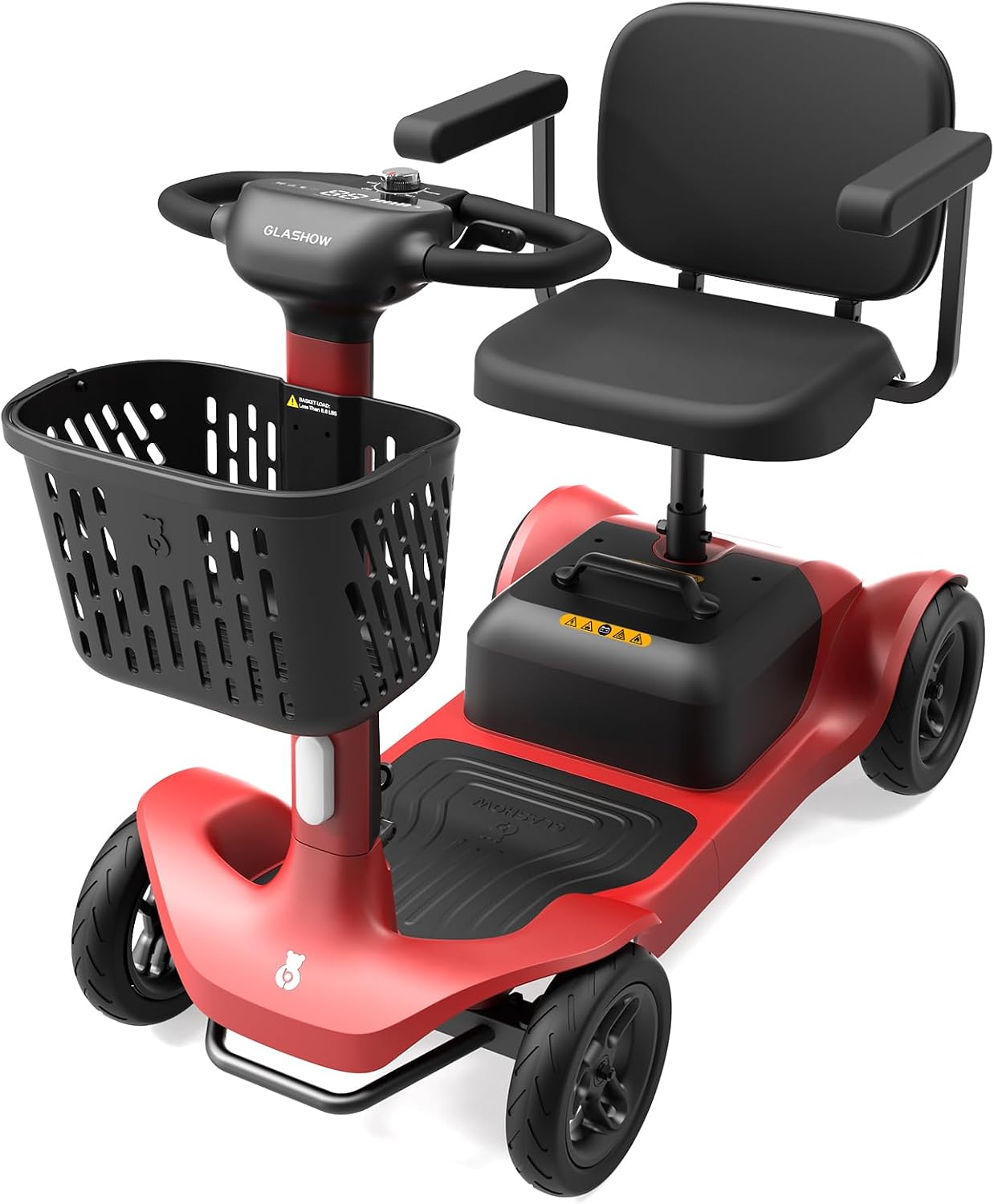
4.4★ (46 ratings) · 10″ wheels · rated ~25 mi range
Why Toronto: the biggest wheels and longest rated range here, extra margin when the cold cuts your battery, and it folds to bring indoors or into a warm car.
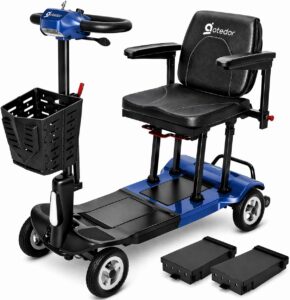
4.5★ (277 ratings) · rated ~22 mi range · up to 300 lb
Why Toronto: light to lift into a car or up to a condo, quick to fold, and easy to store indoors out of the cold: a good fit for apartment living downtown.
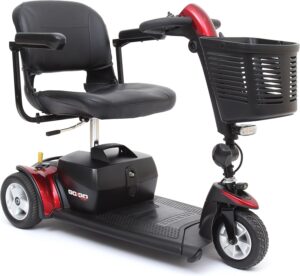
4.4★ (109 ratings) · compact · up to 325 lb
Why Toronto: a tight turning circle for indoor use (the PATH, malls, clinics and condo corridors) where a three-wheeler moves more easily. Four wheels are steadier once you are outdoors in winter.
How to pay: Ontario’s Assistive Devices Program (ADP)
Unlike the United States, Canada does not use Medicare for equipment like this, in Ontario the main route is the province’s Assistive Devices Program (ADP), and it is generous:
- ADP pays 75% of the approved price of an eligible mobility scooter or power wheelchair; you pay the remaining 25%.
- 100% is covered if you receive Ontario Works, the Ontario Disability Support Program (ODSP) or Assistance for Children with Severe Disabilities.
- No income testing. Every eligible Ontario resident with a valid OHIP card and a long-term physical disability (six months or longer) qualifies, regardless of household income.
- You need a written prescription and an assessment by an occupational therapist or physiotherapist registered with ADP, and the device is bought from an ADP-registered vendor (Ontario.ca).
Important: ADP funding only flows through registered vendors after that assessment: a scooter bought on Amazon does not qualify for ADP. Many Toronto buyers still choose to buy out of pocket for the lower price and immediate delivery, especially for a lighter travel model, while ADP is the route to consider for a fully funded device. If a funded scooter is your goal, start with your doctor and an ADP-registered occupational therapist rather than a retail purchase.
Watch: the Golden Buzzaround EX reviewed
An independent walkthrough of the Golden Buzzaround EX, our Toronto top pick, showing the seat, tiller, disassembly and driving.
Video: Golden Buzzaround EX review by Marc’s Mobility (YouTube). Polaris Mobility is not affiliated with the reviewer.
Compare more 4-wheel models · full catalog
Toronto mobility scooter FAQ
How do I use a mobility scooter through a Toronto winter?
Store and charge it indoors at room temperature, because cold cuts battery range; wipe off road salt and slush and keep the contacts dry; and stick to cleared, salted paths, since no standard scooter handles ice or deep snow well. Downtown, the underground PATH network lets you travel much of the core without going outside.
Does the Ontario government help pay for a mobility scooter?
Yes. The Assistive Devices Program (ADP) pays 75% of the approved price of an eligible scooter for any Ontario resident with a valid health card and a long-term disability, with no income test, and 100% for people on Ontario Works or ODSP. You need a prescription and an assessment by an ADP-registered occupational therapist or physiotherapist, and you buy from a registered vendor: an Amazon purchase does not qualify for ADP.
How much does Wheel-Trans cost, and who qualifies?
Wheel-Trans charges the same single adult TTC fare (about $3.30) as a regular subway or bus trip, with no surcharge. Eligibility falls into three categories (unconditional, conditional and temporary), and conditional riders’ trips may combine a Wheel-Trans vehicle with accessible buses or subway through the Family of Services.
What is the best mobility scooter for Toronto?
For a flat but cold, salty city, four-wheel stability and enough range to survive a winter battery drop matter most. Our top pick is the Golden Buzzaround EX for stability and a brand service network; the longer-range Glashow S1 is the choice if you cover more distance, and a lightweight travel scooter is best for condo living and lifting into a car.