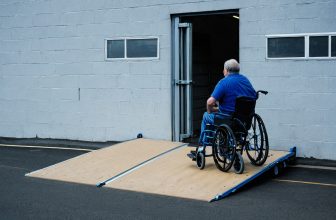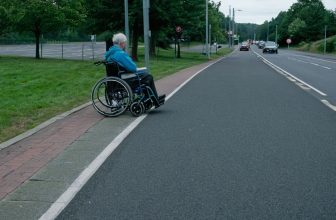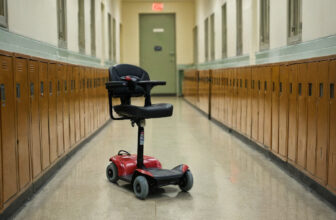
No mobility scooter is genuinely all-weather, but the right features narrow the gap. Cold cuts your range more than anything else, heat shortens battery life over the years, and rain threatens the controller and charging port rather than the frame. The most useful feature in both extremes is a removable battery you can carry indoors, followed by larger air-filled tires and a cover that actually fits.
- In the U.S., 27.7% of adults 65+ and 16.8% of adults 45–64 report a mobility disability (serious difficulty walking or climbing stairs).
- In Canada, about 3.13 million adults live with a mobility-related disability, which is 63% of disabled seniors.
- Mobility disability is reported more often by women than men (13.6% vs 10.5%).
Sources: U.S. CDC Disability & Health Data System (DHDS), BRFSS 2021; Statistics Canada, Canadian Survey on Disability 2022.
Where you live shapes how a mobility scooter performs and how long it lasts. A little planning around heat, cold, and rain keeps your scooter dependable and your rides comfortable through every season.
Hot Weather and Strong Sun
Heat is hard on batteries. High temperatures wear a battery down faster over time and can shorten how far you travel on a charge, so try to park in the shade and store your scooter somewhere cool and out of direct sun. If the scooter has been sitting in the heat, let it cool down before you plug it in to charge.
Sun affects your comfort too. Seats, armrests, and the tiller can get hot enough to be uncomfortable to touch, and long trips in full sun are tiring. Ride during the cooler parts of the day when you can, wear a hat and sunscreen, and carry water so you stay hydrated. For more on warm-season riding and battery care, see our dedicated summer guidance.
Cold Weather and Winter Riding
Cold weather is the single biggest thing that reduces your range. Batteries simply do not deliver as much in the cold, so plan shorter trips in winter and keep your charger handy. Whenever possible, store and charge your scooter indoors where it is warm and dry rather than in an unheated garage or shed. A battery that is kept from freezing lasts longer and gives you more reliable range.
Footing matters as much as the machine. Snow and slush make surfaces slippery, and ice is genuinely dangerous. Go slowly, choose cleared and salted paths, and steer around icy patches rather than trying to cross them. Dress warmly, since sitting still in the cold chills you quickly. Our separate winter guide covers traction, storage, and cold-weather charging in more depth.
Wet and Rainy Climates
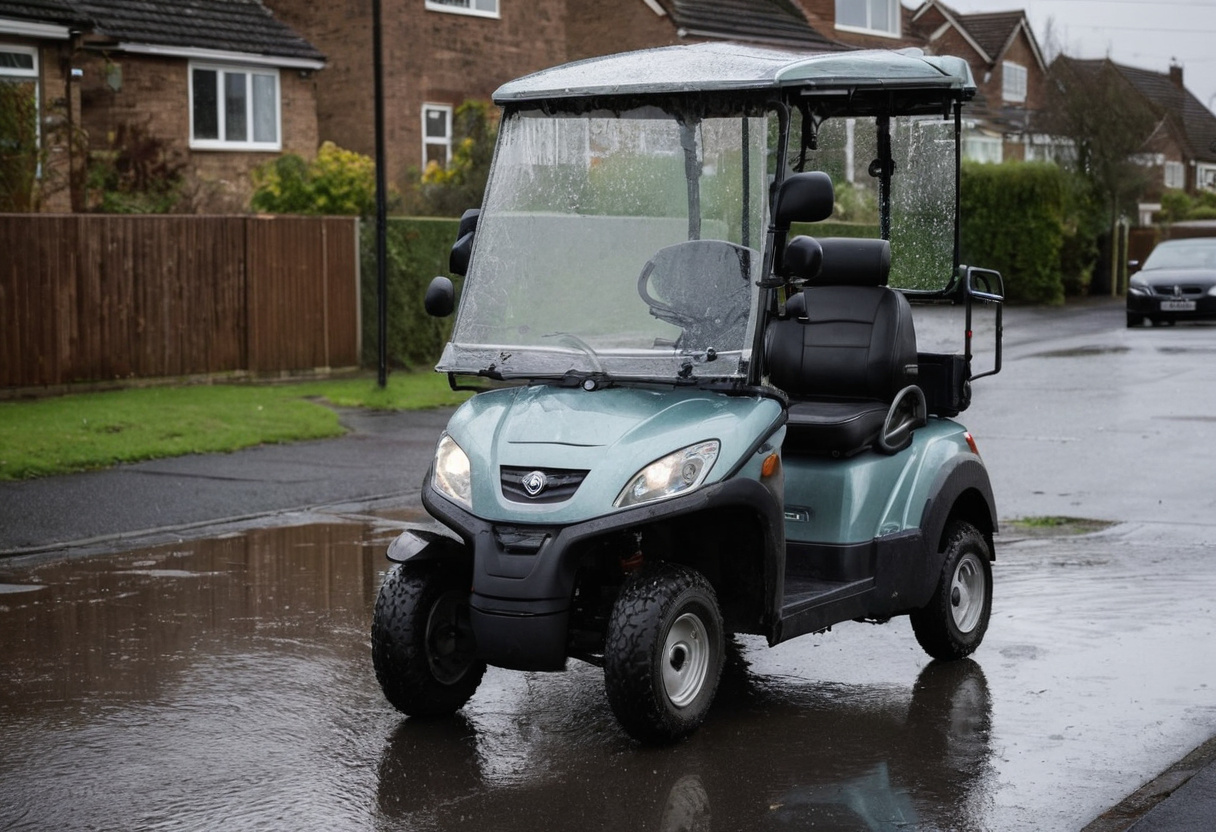
Electronics and water do not mix. The controller, wiring, and charging port are the parts most at risk, so the goal in any rainy climate is to keep them dry. Use a weather cover whenever the scooter is parked outside, and avoid deep puddles where water can splash up into the underside.
After riding in the wet, wipe the scooter down and let it dry before storing it, paying attention to the charging port and any connectors. Never plug in to charge while the port is damp. If you can keep the scooter under a roof, a carport, or a cover between rides, you will spare the electronics a lot of wear.
Choosing Features for Your Climate
When you are picking a scooter, let your local conditions guide the features you look for. A few things make a real difference:
- Tires and clearance: larger, air-filled tires and good ground clearance handle snow, gravel, and uneven wet ground better than small, hard wheels.
- A removable battery: being able to lift the battery out and bring it indoors is a big help in both hot and cold climates.
- Weather protection: a good cover is worth having anywhere, and a canopy can shield you from sun and light rain if your model offers one.
- Sealed or shielded controls: better-protected electronics hold up longer in damp and humid areas.
- A comfortable seat: the right seating keeps longer rides bearable in heat or cold.
If your area swings through hot summers and freezing winters, favor a scooter that handles both and a storage spot that stays moderate year-round.
Climate FAQ
Can I leave my scooter outside?
It is better not to. Sun, heat, cold, and rain all shorten the life of the battery and electronics. If you must park outside, use a weather cover, and try to bring the battery indoors. Storing the whole scooter under cover is always the safer choice.
Does cold weather really cut my range?
Yes. Batteries deliver less in the cold, so you will not travel as far on a charge in winter as you do in mild weather. Plan shorter outings, keep the battery warm by storing it indoors, and charge before you head out.
Is it safe to ride in the rain?
Light rain is usually manageable if your scooter is designed for it, but keep the electronics and charging port dry, slow down on slick surfaces, and dry the scooter afterward. Avoid heavy downpours, deep puddles, and never charge while anything is still wet.
Other models worth comparing: the Pride Go-Go Ultra X, the Ecomobi folding scooter.