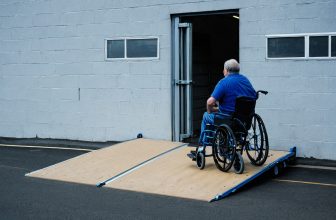

Verdict: wheelchair rental can be cheaper on paper for a short trip, event, discharge gap, or recovery period, but the lower price fails if the chair arrives late, fits poorly, lacks the right footrests, or comes with weak replacement terms. Buying is stronger when the chair must fit the user and routine every day.
Should the user, family, facility, or event organizer rent or buy the wheelchair?
Wheelchair rentals usually fit temporary, travel, event, recovery, visitor, or trial-use needs when the chair must arrive quickly and does not require extensive customization; buying is stronger for recurring use, daily dependence, specialized fit, or long-term caregiver workflow where delivery, insurance, and service terms vary by supplier.
| Planning situation | Typical duration | Chair type often considered | Operating environment | Likely decision |
|---|---|---|---|---|
| Airport traveler, hotel guest, cruise passenger, or visiting family member | Single day to two weeks | Transport chair, standard manual wheelchair, lightweight manual wheelchair | Airport, hotel, terminal, guest room, accessible shuttle route | Rent if handoff, pickup, and replacement are confirmed in writing |
| Family caregiver managing a short recovery or discharge gap | One week to several months | Standard manual wheelchair, improving leg-rest model, reclining chair if required | Home, clinic visits, temporary housing, vehicle transfers | Rent first if recovery timeline is uncertain; reassess if use becomes recurring |
| Event organizer, venue, school, or workplace accommodation coordinator | Event day, season, or recurring program | Standard manual chairs, transport chairs, limited heavy-duty inventory | Outdoor event, workplace, campus, auditorium, registration area | Rent for one-time demand; buy if chairs are needed repeatedly and storage is secure |
| Assisted living facility, clinic, rehabilitation department, or senior program | Recurring daily or weekly use | Fleet of standard, lightweight, heavy-duty, or specialty manual chairs | Facility corridors, dining areas, therapy rooms, vehicles | Buy or contract a managed rental fleet if inspection, cleaning, and replacement are controlled |
| Individual user with posture, propulsion, pressure, communication, or complex seating needs | Daily or permanent use | Custom manual wheelchair, tilt-in-space chair, power wheelchair, pediatric wheelchair | Home, school, work, transit, community routes | Buy after professional fitting and funding review, not from generic rental sizing alone |
Wheelchair rental is strongest when the need is short, uncertain, or location-specific
Rental works best when the operational problem is availability, not customization. A hotel guest may need a standard manual chair at check-in, an event organizer may need backup chairs at admissions, and a discharge planner may need a temporary chair before a permanent equipment decision is complete.
A wheelchair is described in StatPearls as mobility-assistive equipment and as a wheeled mobility device for people with impaired mobility, so the decision should still be treated as equipment planning, not convenience shopping. The practical rental question is: can this available chair safely fit the user, route, caregiver handling, and delivery window for the planned period?
Common rental inventory usually favors non-custom models: transport chairs, standard manual wheelchairs, lightweight manual chairs, some heavy-duty manual chairs, and limited reclining or pediatric options. Same-day or next-day delivery depends on local inventory, service radius, and whether the provider delivers to homes, hotels, airports, event sites, or facilities.
Wheelchair buying is strongest when the chair must fit the user and routine every day
Buying becomes more reliable when repeated rentals create uncertainty around size, armrests, footrests, cushion compatibility, availability, or caregiver workflow. A chair used every morning for transfers, meals, appointments, and community access becomes part of the user’s daily operating system.
Complex fit is the clearest signal to slow down before renting or buying. StatPearls summarizes a WHO seating and positioning hierarchy that includes basic, intermediate, and complex wheelchair users, with complex needs requiring specialized training and more in-depth care delivery. The same StatPearls chapter describes wheelchair evaluation as including history, cognition and communication, prior function, goals, motor and sensory function, posture, trunk control, and range of motion.
Insurance or public-benefit funding can also change the decision. Under Health First Colorado’s DMEPOS manual, durable medical equipment is equipment that can withstand repeated use and generally has no value to the member without a disability, illness, or injury; that same program requires DMEPOS prescriptions from specified licensed providers within scope of license. Other U.S. and Canadian payers may use different rules, so the buyer should confirm documentation before ordering.
The next question is not simply “rent or buy.” The next question is how the rental quote, delivery charges, replacement promise, accessories, and purchase funding compare over the full planned duration.
How should wheelchair rental cost be compared with buying cost over the planned duration?
Wheelchair cost comparison should use total cost over the actual use period, not just the daily rental rate or purchase price.
The break-even point depends on rental frequency, model type, and service terms
No universal break-even point exists without local quotes and service terms. A standard manual wheelchair may rent by the day, week, or month, while a power wheelchair rental may carry higher delivery, deposit, battery, and service conditions. A low daily rate can lose value if pickup fees, late-return charges, or a weak replacement promise leave the user without dependable equipment.

- One-day event: rental usually makes sense if the chair is standard, the handoff is confirmed, and the event team does not need ongoing storage or maintenance.
- One-week travel: rental can work if hotel, airport, cruise, or venue delivery is reliable. For air trips, pair the quote with broader airport and air travel mobility planning.
- One-month recovery: compare a monthly rental quote against an entry-level purchase, especially for transport chairs and standard manual chairs.
- Three-month rehabilitation: buying becomes more competitive if the user needs the same chair daily, accessories are not included, or the rental provider charges repeated delivery or exchange fees.
- Recurring facility use: facilities should compare annual rental spending with fleet ownership, cleaning labor, inspection logs, storage space, and replacement inventory.
- Long-term daily use: buying usually becomes stronger when fit, cushion choice, armrest style, footrest configuration, maintenance control, and user routine matter every day.
Typical private-pay rental quotes often vary by market, chair type, and delivery distance. Standard manual or transport wheelchair rentals are commonly quoted by day, week, or month. Heavy-duty, reclining, and power wheelchair rentals usually cost more because the equipment is larger, less interchangeable, and harder to transport. Purchase prices also vary widely: transport and standard manual chairs may sit in the lower consumer range, lightweight and heavy-duty models cost more, and power wheelchairs can move into a much higher planning category. Funding, reimbursement paperwork, payment plans, and tax documentation should be checked early through mobility equipment financing and payment planning.
A wheelchair cost table should include hidden charges and operational costs
| Cost line | One-day event | One-week travel | One-month recovery | Three-month rehabilitation | Recurring facility use | Long-term daily use |
|---|---|---|---|---|---|---|
| Base rental or purchase price | Daily rental | Weekly rental | Monthly rental | Monthly rental versus purchase | Fleet rental versus fleet purchase | Purchase usually favored |
| Delivery and pickup | Critical for venue timing | Confirm hotel or terminal handoff | Check home delivery window | Ask about exchanges | Negotiate service schedule | Plan vehicle transport |
| Deposit, cancellation, late return | Check event cancellation rules | Check travel delay rules | Check extension pricing | Check early-return credit | Check contract term | Not applicable, except financing terms |
| Damage, cleaning, accessories | Damage waiver may matter | Footrests and cushions must be listed | Cleaning fee may apply | Accessory rental can add up | Cleaning labor affects cost | Owner pays cushions, tires, brakes, arm pads, upholstery, and batteries for power chairs |
| Service and replacement | Need same-day backup | Need travel-area support | Need repair response time | Need replacement promise | Need vendor service level | Owner controls service provider and spare parts plan |
The final cost decision should come from written local quotes, not advertised starting prices. Ask the rental provider or seller to list every fee, the exact chair type, the included accessories, and the service response before comparing totals. The next cost mistake is choosing a chair that looks affordable but fails the fit, weight capacity, or access-dimension check.
A wheelchair rental or purchase decision should start with fit, weight capacity, and access dimensions
A wheelchair is not a commodity item when the user will sit in it for extended periods, self-propel, transfer, or move through tight environments. Seat width, seat depth, seat height, weight capacity, armrests, footrests, turning space, and doorway clearance should be checked before ordering.
Seat width, seat depth, and posture needs determine whether a standard rental chair is acceptable
Wheelchair fit risk starts with the seated body, not the rental catalog. A standard manual chair often comes in common seat widths such as 16, 18, and 20 inches, with wide and heavy-duty models often starting around 22 inches and increasing from there. Seat depth commonly falls near 16 to 18 inches on standard adult chairs, but the correct depth depends on thigh length, cushion use, posture, and transfer method.
- Seat width: allow enough room for clothing and a cushion without forcing the hips inward or creating excess side-to-side movement.
- Seat depth: support the thighs without pressing behind the knees, especially when footrests are attached.
- Back height: match the user’s trunk support needs rather than assuming a low transport-style back is acceptable.
- Seat-to-floor height: check foot contact, footrest clearance, transfer height, and table access.
- Weight capacity: verify the manufacturer’s user weight limit on the specific chair, not the category name.
- Overall width and length: confirm the chair will pass through the actual route, including handrims, armrests, footrests, and anti-tippers.
Standard rentals are usually strongest for basic, short-duration use. Users who need pressure management, complex postural support, custom cushions, amputee support, or unusually configured seating should involve a wheelchair seating specialist, occupational therapist, physical therapist, assistive technology professional, or qualified DME professional before renting or buying. RESNA’s wheelchair and related seating standards work includes the WC-3 Standard and describes technical standards as a bridge between mechanical performance and health and wellness needs, but a standard does not make a rental chair fit an individual user automatically.
The 90-90-90 wheelchair rule is a fitting check, not a complete buying rule
The 90-90-90 rule means the seated position is checked with hips, knees, and ankles near 90 degrees where that position is appropriate. The check can reveal obvious problems: a seat that is too high, footrests that are too low, a cushion that changes knee angle, or a chair depth that pushes the user forward.
The 90-90-90 rule should not override clinician-directed positioning. Contractures, orthopedic restrictions, amputations, edema, pain, spasticity, limited ankle range, or post-surgical precautions may require a different setup. For rental planning, the practical question is whether the provider can supply the right armrests and leg supports. Removable or flip-back arms help some transfers; desk-length arms can improve table access; full-length arms may help push-off support; improving leg rests, swing-away footrests, detachable rigging, pediatric supports, or amputee boards may be necessary for specific users.
Doorways, vehicles, elevators, and event routes can disqualify an otherwise suitable wheelchair
Access dimensions can reject a chair that otherwise fits the user. Measure the narrowest doorway clear opening, hallway turns, bathroom approach, elevator interior, vehicle cargo space, ramp approach, storage location, and event route before confirming a rental or purchase. The 2010 ADA Standards specify 30 by 48 inches of clear floor or ground space for wheelchair positioning in accessible design, and accessible dining or work surfaces are set at 28 to 34 inches above the finish floor or ground under those standards.
- Manual chair transport: check folded width, chair weight, removable wheels if present, and whether the caregiver can lift the chair safely.
- Power chair transport: check ramp or lift compatibility, turning radius, battery handling, securement points, and charger storage.
- Home route: compare the chair’s overall width with doorways, bathroom entries, bedside transfers, and kitchen turns. Broader home access and storage planning for mobility equipment can prevent an expensive mismatch.
Once the chair fits the user and the route, the next failure point is operational: whether the wheelchair arrives on time, can be handed off correctly, and can be replaced quickly if the first unit is wrong or unusable.
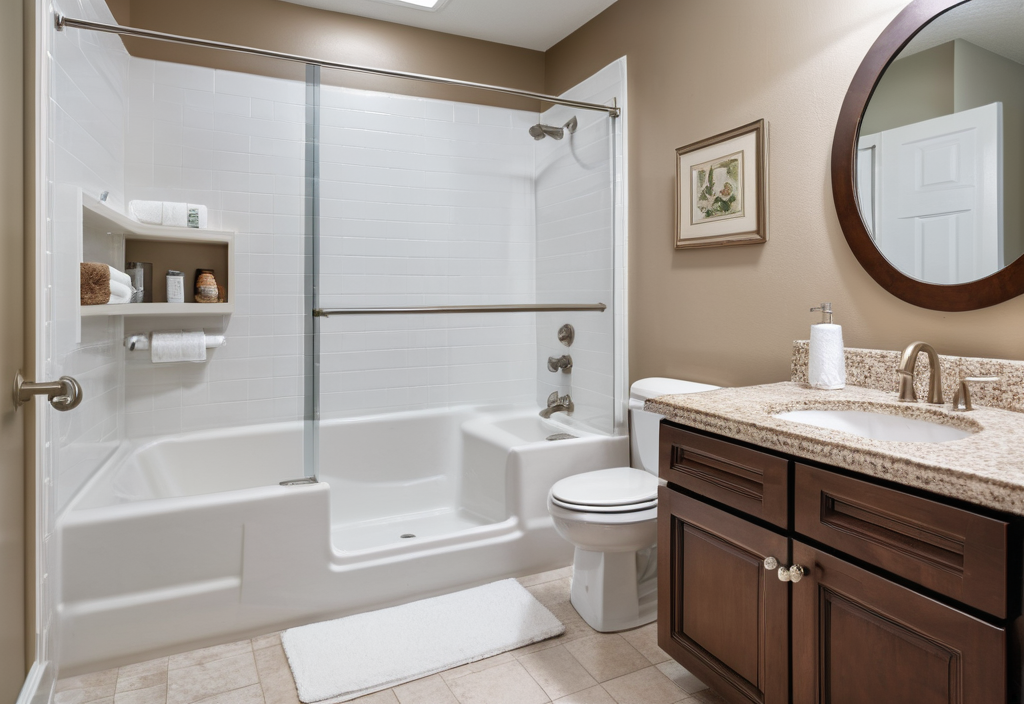
Wheelchair delivery, pickup, and replacement reliability can decide whether rental works
Wheelchair rental works only when the provider can deliver the correct chair to the correct location at the time it is needed and replace it quickly if the chair fails. This matters most for airport arrivals, hotel stays, surgery discharge, weddings, conferences, senior living admissions, and outdoor events where delays create immediate access barriers.
Delivery reliability should be treated as part of the wheelchair specification, not as an afterthought. A standard manual wheelchair may be available with local same-day or next-day delivery in many markets, while heavy-duty, reclining, pediatric, elevating-leg-rest, and power wheelchair rentals often require earlier booking and a confirmed service radius. The more specialized the chair, the more important it is to ask what happens if the reserved model is not available on delivery day.
Airport, hotel, and event wheelchair rentals need confirmed handoff details
Airport wheelchair assistance and third-party wheelchair rental are different services. Airport assistance usually supports movement through the terminal, security, boarding, and connections, while a third-party rental chair may need separate delivery to a hotel, residence, curbside location, baggage claim area, or approved meeting point. Travel plans should separate airline support from rental equipment logistics. For broader trip coordination, see airport and air travel mobility planning.
Hotel delivery should be confirmed with both the rental provider and the hotel. The order should list the guest name, arrival date, hotel address, room number if known, front desk contact, phone number, delivery window, pickup date, and chair specifications. Some hotels will hold mobility equipment at the front desk or bell desk, while others require the guest or event contact to be present.
Event venues add another handoff layer. A conference center, stadium, park, or wedding venue may require a loading dock appointment, security check-in, certificate of insurance, vendor badge, after-hours access approval, or a named staff contact. Outdoor events should also confirm surface conditions, storage location, rain plan, and who signs for pickup after the event closes.

Facilities should evaluate wheelchair rental providers like service vendors, not one-time sellers
Facilities should ask rental providers service questions before asking for the lowest quote. A senior living community, clinic, rehabilitation unit, school, or event operator needs predictable delivery records, clean invoicing, replacement inventory, staff contact rules, and a written escalation path when equipment is late or unusable.
- Delivery record: ask for normal delivery windows, weekend availability, holiday limits, and cutoff times for same-day requests.
- Replacement promise: confirm response time, after-hours contact, same-day swap availability, and who pays if the delivered chair cannot be used.
- Pickup workflow: define residential pickup, hotel front desk pickup, loading dock pickup, storage responsibility, and late pickup charges.
- Equipment match: verify seat width, weight capacity, footrest type, armrest type, improving leg rests, cushion needs, and power chair charger delivery.
- Staff workflow: give caregivers, front desk staff, transportation coordinators, and maintenance teams one order sheet with contact numbers and chair details.
A rental decision that passes the fit test can still fail at the loading dock, front desk, or discharge door. The next check is the one completed before anyone accepts the chair: cleaning, inspection, maintenance, and liability terms.
Cleaning, inspection, maintenance, and liability terms should be reviewed before accepting a rental wheelchair
A rental wheelchair should be accepted only after the user, caregiver, facility, or event team verifies that the chair is clean, intact, correctly configured, and covered by clear service and liability terms. In reused mobility equipment, reliability depends on inspection routines, brake function, tire condition, footrest security, upholstery condition, and documented response procedures.
The wheelchair acceptance checklist should be completed at delivery, not after a problem occurs
The delivery handoff is the best time to find problems because the provider can still replace the wheelchair, document pre-existing damage, or correct the configuration before the chair enters service. Ask what surfaces were cleaned, which products were used, how fabric or vinyl upholstery was handled, and whether high-touch parts such as hand rims, push handles, brakes, arm pads, footplates, and seat belts were inspected.
- Refuse or pause acceptance if the wheelchair has weak or uneven brakes, loose footrests, cracked frame parts, missing axle hardware, unstable casters, damaged tires, torn upholstery, exposed foam, sharp edges, missing weight-capacity labels, or a cushion that does not match the order.
- Check that armrests lock, footrests swing and latch correctly, anti-tippers are present if ordered, and the chair folds and opens without binding.
- Photograph scratches, stains, torn upholstery, bent footplates, missing labels, and accessory condition before signing the delivery form.
- Record the delivery time, chair model or asset number, provider contact number, and promised repair or replacement process.
For owned wheelchairs, the same mindset becomes a maintenance routine: brake adjustment, tire inflation or replacement, caster inspection, upholstery wear checks, fastener checks, battery care for power chairs, and planned service intervals. A preventive routine, not emergency repair, is the more reliable model for mobility equipment maintenance planning.
Rental agreements should explain who pays if the wheelchair is damaged, lost, late, or unusable
The rental agreement should state who pays for damage, theft, cleaning, late return, missed pickup, cancellation, repair calls, and replacement during the rental period. Travel, event, and shared facility rentals need extra clarity because several people may handle the same chair, store it overnight, or move it through vehicles, elevators, and public areas.

Provider credentials can also matter when the wheelchair is connected to a covered durable medical equipment process. For example, Health First Colorado says DMEPOS billing providers must retain Medicare DME accreditation and enroll with the Department as a Supply Provider under that program’s rules, so covered equipment pathways may involve more documentation than a private short-term rental. See the Colorado DMEPOS manual for that program-specific context.
If the rental terms are unclear or the chair will be used repeatedly, the next question is whether buying gives better control over customization, service timing, storage, and daily caregiver workflow.

Buying a wheelchair is better when recurring use, customization, and service control outweigh rental flexibility
Buying a wheelchair is usually the better operational choice when the user needs dependable daily access, custom sizing, specialized seating, consistent accessories, or control over maintenance and availability. For long-term home, workplace, facility, school, or community use, ownership can reduce scheduling risk and create a more predictable equipment routine.
Purchase is often stronger for daily use, repeated weekly outings, workplace accommodation, school use, facility visitor fleets, bariatric sizing, pediatric growth planning, custom seating, or power mobility dependence. The tradeoff is responsibility: the buyer must confirm warranty coverage, local service access, parts availability, return terms, fitting support, accessory compatibility, financing, and insurance documentation before committing.
Manual wheelchair buying decisions should separate transport chairs, standard chairs, lightweight chairs, and custom chairs
Manual wheelchair categories are not interchangeable. A transport chair is mainly for caregiver pushing and vehicle loading. A standard manual wheelchair may work for occasional indoor or appointment use, but it can be heavy for frequent lifting or self-propulsion. A lightweight or ultralight manual wheelchair better supports repeated propulsion, vehicle transfers, and daily routines when the frame and setup match the user.
Custom manual wheelchairs add decisions about seat frame geometry, ultralight materials, rear axle position, camber, wheel size, cushion selection, back support, pressure management, armrest type, footrest position, and transport tie-down compatibility. Active users, users with postural support needs, and users who spend long periods in the chair should treat professional fitting as a purchase requirement, not an optional upgrade.
Ownership risks increase when the buyer chooses a chair because it is available today rather than suitable for the routine. Wrong model selection, poor accessory fit, storage limits, vehicle incompatibility, maintenance neglect, and future body-size or posture changes can make a purchased chair feel less reliable than a well-managed rental.
Power wheelchair buying decisions require battery, transport, service, and home-access planning
Power wheelchair ownership adds technical dependencies that rental quotes can hide. The buyer should confirm battery type, charger requirements, realistic range for the user’s terrain, indoor turning clearance, total chair weight, ramp suitability, vehicle lift compatibility, public transport rules, and airline requirements if travel is planned.
Service access is critical for motors, controllers, batteries, tires, seating functions, joysticks, wiring, and electronics. A power chair that cannot be serviced locally can leave the user with an expensive device and no fast repair path. Home storage also matters: charging space should be dry, protected from weather, and located where transfers and turning are practical. For damp closets, laundry areas, or exterior-wall storage, the U.S. Environmental Protection Agency advises fixing wet or damp spots promptly and reducing indoor humidity to help prevent mold growth in homes, a useful storage-planning check for owned equipment EPA mold and moisture guidance.
Before confirming purchase, the next step is to run the rental-versus-buying checklist against the actual chair, provider, delivery plan, service promise, and user routine.
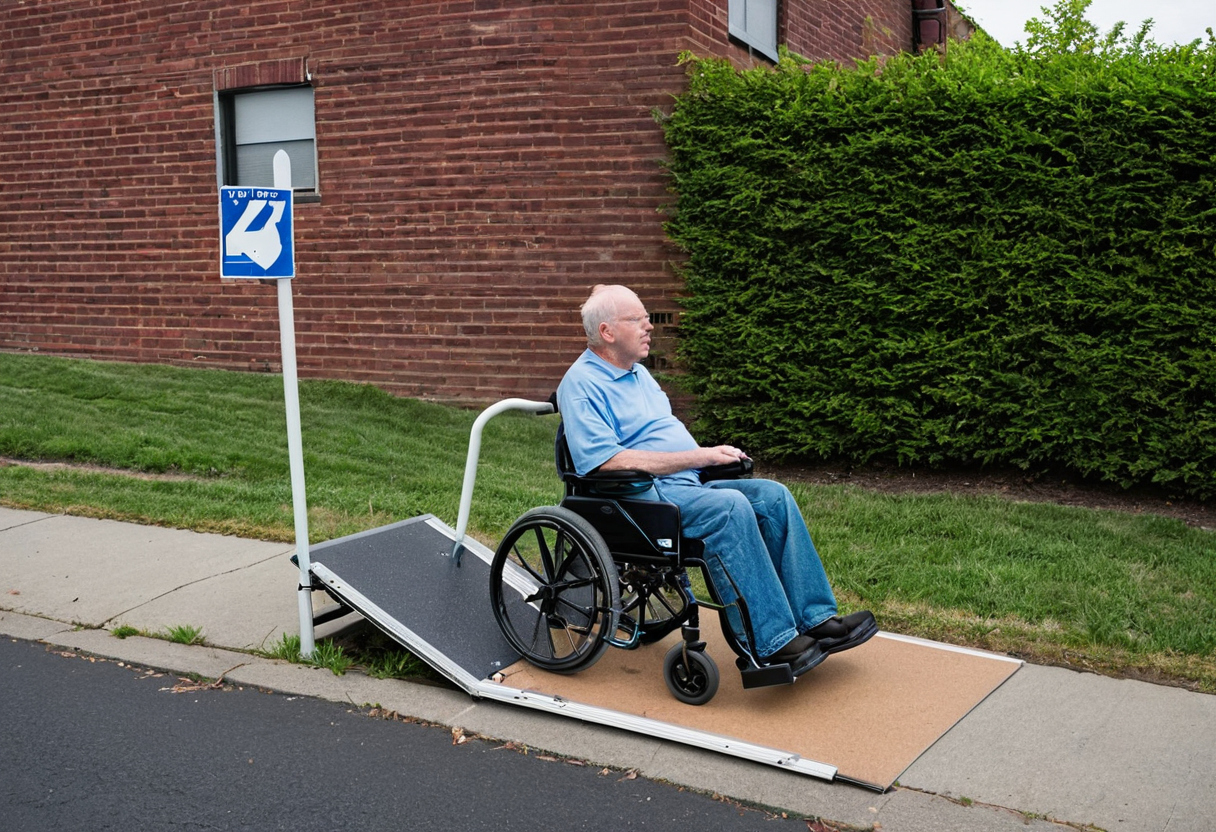
Use a wheelchair rental-versus-buying checklist before confirming the order
A final wheelchair decision should be made with a written checklist that compares the user’s needs, the site conditions, the delivery plan, the equipment specifications, the total cost, and the service commitment. This matters most for families, facilities, and event organizers coordinating people, time windows, or backup plans.

Wheelchair procurement is common enough to deserve a formal process. StatPearls reports that U.S. disability figures rose from 53 million people in 2017 to more than 61 million people in 2019, and that mobility-assistive equipment use in 2019 included wheelchair use as 1.6% of the overall U.S. population. The same StatPearls wheelchair evaluation overview describes the WHO wheelchair service delivery model as eight steps, including assessment, prescription, fitting, training, and follow-up maintenance or repairs. That sequence is a useful reminder: the order is not complete just because a chair is available.
| Checklist finding | Likely decision | Reason to pause |
|---|---|---|
| Short visit, uncertain recovery period, event seating, or hotel stay | Rent | Confirm delivery, pickup, cleaning, and replacement terms before paying. |
| Daily recurring use, repeated caregiver transfers, known home route, or long-term need | Buy | Confirm fit, warranty, parts supply, and service access. |
| Postural support needs, pressure concerns, unusual size needs, limited trunk control, or changing function | Seek professional fitting support | StatPearls warns that a poorly fit wheelchair or seating system can lead to less desirable outcomes and unforeseen consequences. |
The written order file should include user measurements, chair type, seat width, seat depth if available, weight capacity, armrest type, footrest or improving leg rest type, cushion needs, route access, vehicle transport plan, rental duration, total cost, delivery location, pickup location, service contact, replacement promise, cleaning documentation, agreement terms, and a backup plan. For a rental wheelchair, record the chair model, serial number if visible, delivery photos, wheel and brake condition notes, and the provider’s after-hours number.
Ask these questions before renting a wheelchair
A rental call should make the provider confirm the exact equipment and the service response, not just availability.
- What chair models are available for the requested dates, and what are the seat widths and weight capacities?
- Are the armrests removable or desk-length, and are the footrests standard, swing-away, or elevating?
- What delivery window is guaranteed, and who receives the chair at a home, hotel, airport, venue, or facility desk?
- If the wheelchair arrives late, damaged, dirty, or wrong-sized, how fast will a replacement arrive?
- What cleaning process is completed between users, and can the provider document the inspection?
- What deposit, damage waiver, cancellation rule, late fee, pickup fee, or lost-equipment charge applies?
- Is after-hours support available during the rental period?
The renter should provide the user’s approximate height and weight, required seat width if known, transfer method, indoor and outdoor route conditions, vehicle constraints, elevator or doorway limits, and the name and phone number of the person authorized to accept delivery.
Ask these questions before buying a wheelchair
A purchase call should test whether the seller can support the chair after payment, because ownership shifts more responsibility to the buyer, family, or facility.
- What fit assessment is included, and is a trial or return period available if the chair does not work in the real route?
- What warranty applies to the frame, wheels, upholstery, electronics, batteries, and accessories?
- Which parts are stocked locally, and who performs brake, tire, caster, battery, or controller service?
- Will the wheelchair fit the user’s vehicle, storage space, ramp, lift, or caregiver transfer routine?
- Which cushions, belts, trays, anti-tippers, oxygen holders, improving leg rests, or positioning accessories are compatible?
- Can the seller provide an itemized invoice, prescription documentation if needed, and financing or reimbursement paperwork?
- At what point should a seating clinic, occupational therapist, physical therapist, or assistive technology professional evaluate the user before purchase?
The practical rule is simple: do not confirm a rental or purchase until the chair, route, cost, handoff, service contact, and backup plan are written down. A wheelchair decision becomes safer operationally when it is treated as a mobility service commitment, not just an equipment order.
FAQ
Is it better to rent or buy a wheelchair for one week, one month, or recurring use?
For one week, renting is usually the practical choice if the chair is standard, the handoff is reliable, and replacement terms are clear. For one month, compare the full monthly rental cost with an entry-level purchase, including delivery, pickup, accessories, and deposits. For recurring or daily use, buying often becomes stronger because fit, service control, storage, and caregiver routine matter more than short-term flexibility.
How much does it usually cost to rent a wheelchair for a week, and what fees should be checked before booking?
Weekly wheelchair rental prices vary by city, chair type, delivery distance, and provider terms, so the safest comparison is a written quote. Check the base rental fee, delivery fee, pickup fee, deposit, cancellation rule, late-return fee, damage waiver, cleaning fee, accessory charges, and replacement promise before booking.
What is the 90-90-90 rule for wheelchairs, and when is it not enough for choosing a chair?
The 90-90-90 rule checks whether the seated position places the hips, knees, and ankles near 90 degrees when that position is appropriate. It is not enough when the user has postural support needs, pressure concerns, orthopedic restrictions, contractures, edema, pain, limited ankle range, amputations, or clinician-directed positioning requirements.
What is the five-use or break-even rule when comparing wheelchair rental versus buying?
The five-use rule is a rough planning shortcut: if the same wheelchair type will be rented repeatedly, the buyer compares several rental periods against the purchase cost. It is not a universal rule. The real break-even point depends on local rental rates, delivery fees, accessories, service response, cleaning labor, storage, maintenance, resale value, and whether the chair properly fits the user.
Which wheelchair rental or sales company is best, and what reliability questions should be asked before choosing one?
The best provider is the one that can supply the correct chair, document the specifications, deliver on time, support the route, and replace or repair equipment quickly under written terms. Ask about seat width, weight capacity, armrests, footrests, delivery window, pickup process, after-hours contact, cleaning process, damage liability, cancellation rules, and service response before comparing price alone.
Related buying guides: Budget Scooters Under $700, 4-Wheel Scooters, Folding & Travel Scooters, and the full catalog and mobility statistics.