In a city, lightweight is the least useful thing to shop for. What decides whether a portable mobility scooter works downtown is the turning radius in a grocery aisle and an apartment elevator, how quickly it comes apart for a taxi trunk, and whether it fits the size and weight limits your transit authority publishes for mobility devices. Check those limits before you buy, because they are the one constraint you cannot design around.
City living is where a portable scooter is tested hardest: crowded sidewalks, tight apartment storage, narrow store aisles and transit vehicles with published size limits. A scooter that handles a suburban parking lot may still be wrong for any of those. This guide sets out the five things that decide it, none of which is the headline weight.
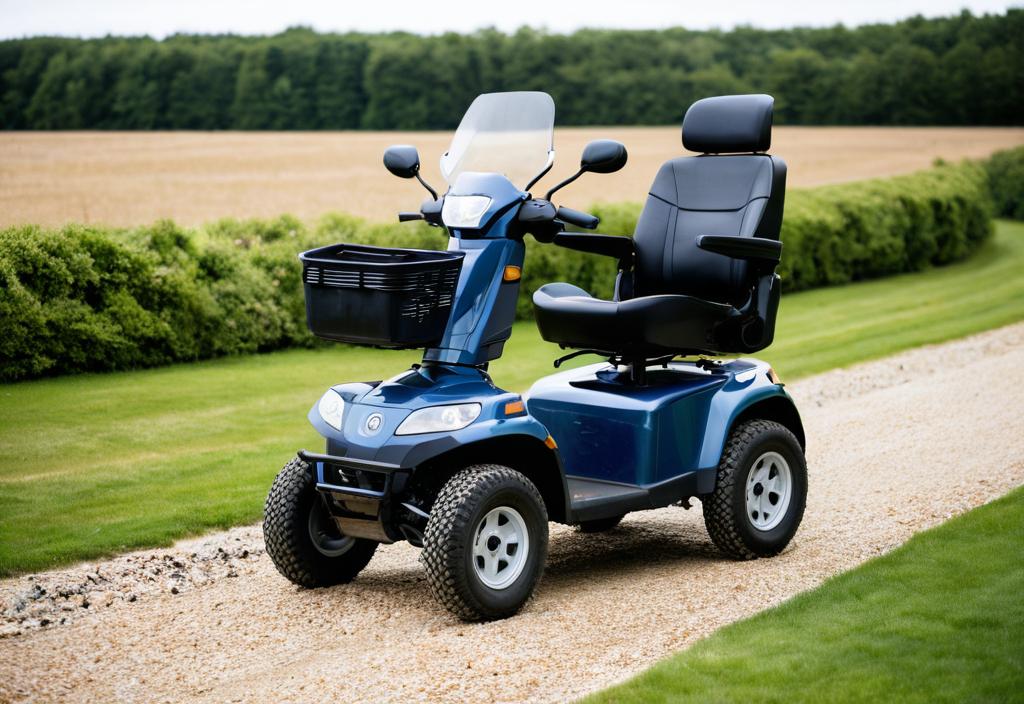
- In the U.S., 27.7% of adults 65+ and 16.8% of adults 45–64 report a mobility disability (serious difficulty walking or climbing stairs).
- In Canada, about 3.13 million adults live with a mobility-related disability, which is 63% of disabled seniors.
- Mobility disability is reported more often by women than men (13.6% vs 10.5%).
Sources: U.S. CDC Disability & Health Data System (DHDS), BRFSS 2021; Statistics Canada, Canadian Survey on Disability 2022.
Beyond ‘lightweight’: the five agility factors for urban freedom
In the urban jungle, “lightweight” is only part of the story. A truly city-ready portable scooter is a masterful blend of several key traits. Think of these as your checklist for genuine independence. Ignoring them is the difference between a scooter that gathers dust in your hall closet and one that becomes your trusted partner for daily adventures.
Factor 1: The weight vs. durability balancing act
The lightest scooter on the market might seem like the obvious choice, but city life is tough. Potholes, uneven sidewalks, and constant curb navigation demand a certain level of sturdiness. An ultra-light frame might struggle with the daily grind. Your goal is to find the sweet spot: a scooter light enough for you to manage but sturdy enough to handle the city’s imperfections. Look for models made with aircraft-grade aluminum. They offer excellent strength without excessive weight. Remember, a scooter that feels solid gives you confidence, which is just as important as portability.
Factor 2: Mastering the concrete jungle with a tight turning radius
Ever tried to navigate a massive SUV through a packed parking garage? That’s what using a scooter with a wide turning radius in a city feels like. A tight turning radius is non-negotiable for urban living. Compare the figure the manufacturer publishes against your own narrowest aisle, doorway and elevator rather than against any rule of thumb. It allows you to effortlessly pivot in narrow grocery store aisles, navigate crowded cafe patios, and maneuver inside small apartment elevators. This single specification determines whether you glide through your environment or are constantly performing frustrating three-point turns. Don’t overlook it; it’s your key to nimble navigation.
Factor 3: The ‘grab-and-go’ test: disassembly and storage
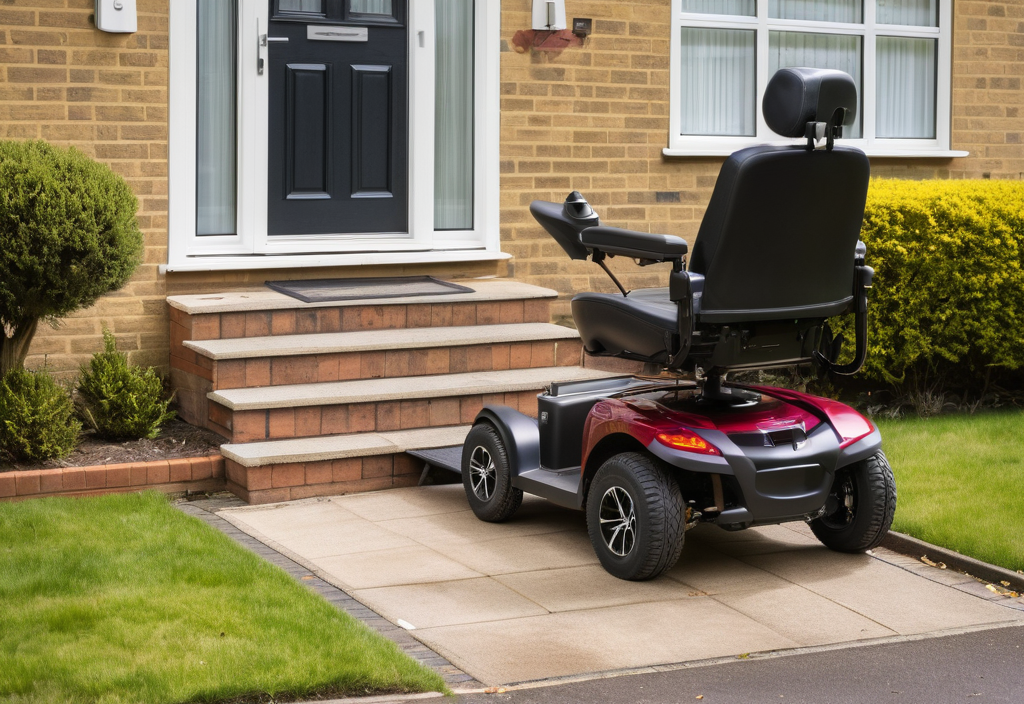
Your city scooter needs to adapt to your life, not the other way around. Can it be disassembled in under a minute to fit in the trunk of a taxi or Uber? Does it fold down compactly enough to be tucked into a closet, compliant with your building’s rules? The best portable scooters often break down into a few manageable pieces without tools. For ultimate convenience, the best folding mobility scooters for travel collapse into a single unit, much like a piece of luggage. This feature is crucial for spontaneous trips and easy storage in apartments where space is a premium.
Factor 4: Battery stamina: from morning coffee to evening theatre
Range anxiety isn’t just for electric car owners. In a city, your day can be unpredictable. You need a battery that can handle a trip to the doctor, a detour to the park, and a last-minute decision to meet friends for dinner. Instead of just looking at the maximum mileage, think in terms of your daily “errand blocks.” A modern lithium-ion battery is often the superior choice for city dwellers over traditional Sealed Lead-Acid (SLA) batteries. It’s lighter, charges faster, and provides more consistent power.
| Feature | Lithium-Ion (Li-ion) Battery | Sealed Lead-Acid (SLA) Battery |
|---|---|---|
| Weight | Significantly lighter, enhancing portability. | Heavy, can make disassembly difficult. |
| Charge Time | Faster (typically 2-5 hours). | Slower (typically 6-10 hours). |
| Lifespan | Longer (more charge cycles). | Shorter (fewer charge cycles). |
| Best For | Frequent, daily urban use and travel. | Occasional use, budget-conscious buyers. |
Factor 5: Your public transit passport: handling buses and subways
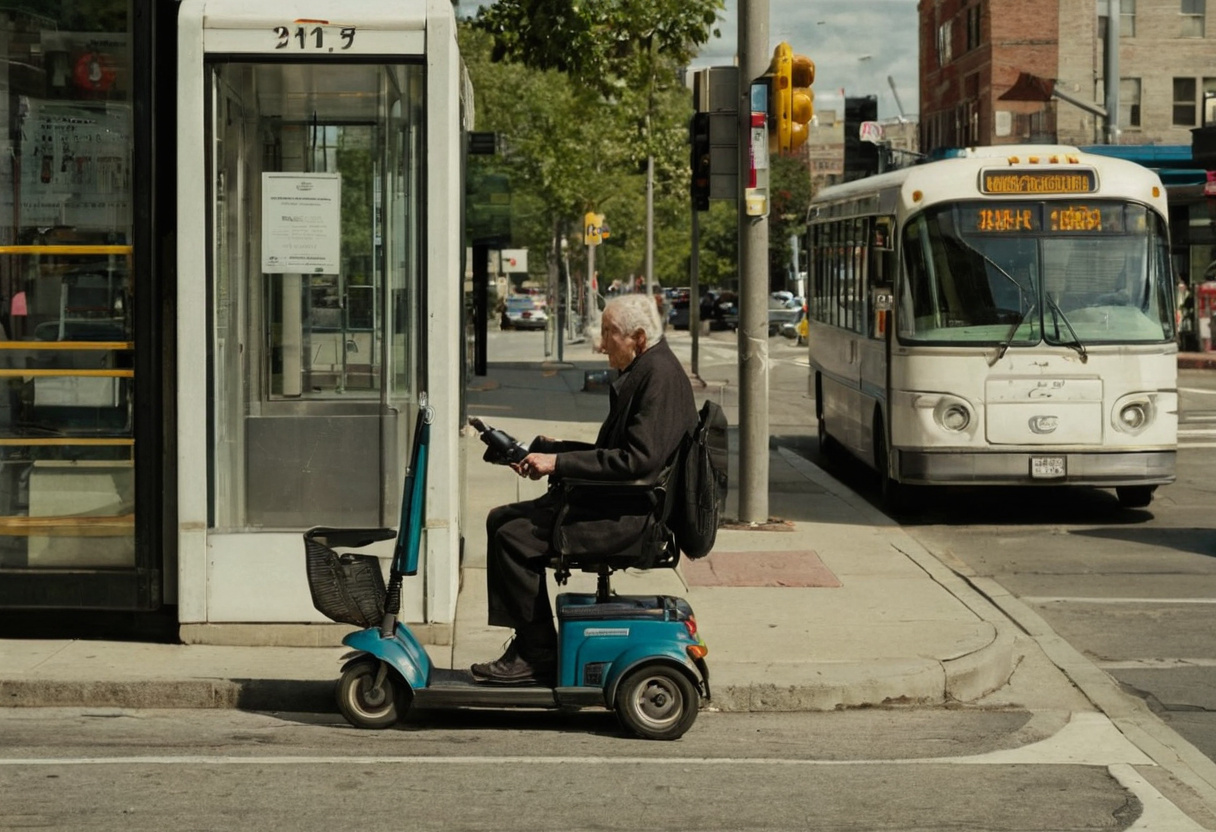
For many urbanites, public transit is a lifeline. Before you buy, check the accessibility guidelines for your local transit authority, like the MTA in New York or the TTC in Toronto. They have specific size and weight restrictions for mobility devices. A city-friendly scooter should easily fit within these dimensions and have good stability for handling ramps and moving vehicles. Understanding these rules ensures your scooter is a key to the entire city, not just your immediate neighborhood. For Canadian users, becoming familiar with provincial guidelines is also essential, as outlined in our guide to handling Canada’s accessibility laws.


City-specific considerations: USA vs. Canada
While the principles of urban agility are universal, the specifics of your city matter. The urban landscapes of the USA and Canada present unique challenges and advantages for scooter users.
Handling American metropolises (e.g., New York, Chicago)
Major US cities offer extensive public services but often feature older infrastructure. According to the American Public Transportation Association publishes ridership figures for those systems if you want the current picture. Practically, buses and trains in major cities are busy, and a compact scooter is far easier to place and secure on a crowded vehicle. Furthermore, sidewalk quality can vary drastically from one block to the next. This makes having quality scooter tires and suspension more than a luxury; it’s a necessity for a comfortable ride. Investing in one of the top 5 best mobility scooters for seniors in the USA and Canada that balances portability with comfort is a wise choice.
Cruising through Canadian cities (e.g., Vancouver, Montreal)
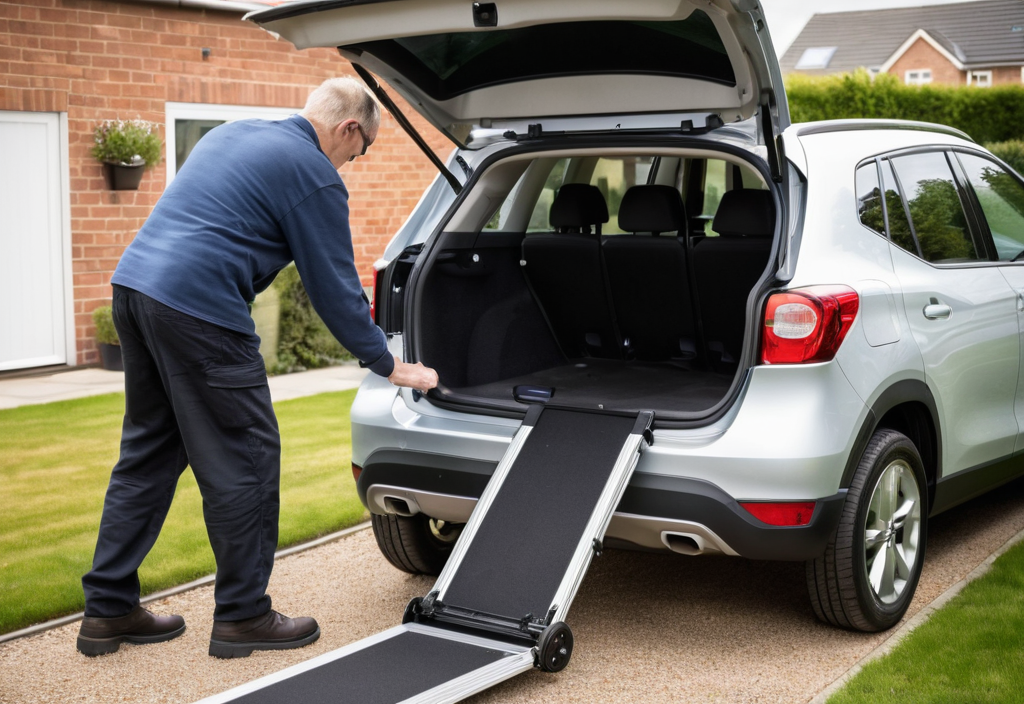
Canadian cities often boast modern, accessible public transit systems, but they come with their own major challenge: weather. From icy Toronto winters to rainy Vancouver springs, your scooter must be up to the task. Features like good lighting, water-resistant components, and tires with excellent traction are critical. Our guide on mobility scooters for different weather conditions can be invaluable. Additionally, with Canada’s vast landscapes just a drive away, you might want a scooter that’s not only great for the city but also easy to transport for weekend getaways. Pairing your scooter with the right mobility scooter lift for your car opens up a world of possibilities.
Our picks for urban explorers
Choosing a scooter is a personal journey, but here are a few models that exemplify the urban agility principles we’ve discussed. We’ve selected these based on their balance of features perfect for city life.

Mobility Scooter for Adults, Seniors – 37.5 lbs Ultra Lightweight Folding Mobility Scooters
Rating: 4,8 | Price: current price on Amazon
This model is a dream for apartment dwellers. Its incredibly low weight of 37.5 lbs makes it one of the easiest to lift into a car or carry up a few steps. It folds in one motion, making it perfect for quick transitions from sidewalk to taxi. Con: The ultra-lightweight design may offer a stiffer ride on very rough city pavement.
Buy on Amazon
330lbs Max Weight, Electric Mobility Scooter for Adults 4 Wheel Mobility
Rating: 4,7 | Price: current price on Amazon
This scooter strikes an excellent balance between a sturdy build and urban-friendly features. The 4-wheel design provides superior stability on uneven sidewalks, and the 20-mile range is more than enough for a full day of city exploration. It offers a solid, confident ride. Con: It is heavier than ultra-light models, so disassembly for car transport requires more effort.
Buy on Amazon
Powered Mobility Scooter for Adults, Seniors – 23MI Extra Long Range Foldable Scooter
Rating: 4,9 | Price: current price on Amazon
For the urbanite who never stops, this scooter’s standout feature is its impressive 23-mile range thanks to dual batteries. This is the scooter for someone who wants to leave in the morning and not worry about charging until they get home at night. It’s also airport-approved, making it a great city and travel hybrid. Con: The dual batteries add to the overall weight, making it less ideal for users who need to lift it frequently.
Buy on Amazon
Frequently asked questions about city-centric scooters
Are 3-wheel or 4-wheel scooters better for the city?
Generally, 4-wheel scooters are better for city use. They offer significantly more stability on uneven surfaces, cracked pavement, and while handling curb cuts, which are common in urban environments. While 3-wheel scooters have a tighter turning radius, modern 4-wheel portable models have become very nimble, offering the best of both worlds.
How do I charge my scooter in an apartment?
Most portable scooters feature removable battery packs. This is a huge advantage for apartment living. You can leave the scooter frame in a storage area, by the door, or even in your car trunk, and simply bring the lightweight battery pack inside to charge at any standard wall outlet.
Can I take my portable scooter on an airplane?
Yes, most portable scooters with dry-cell or lithium-ion batteries are approved for air travel, but you must check with your specific airline beforehand. The U.S. Department of Transportation and Transport Canada have clear guidelines. Always inform the airline when you book your ticket that you will be traveling with a mobility device.
Do I need special scooter tires for city streets?
While standard tires work, solid, puncture-proof tires are highly recommended for city riding to avoid the hassle of a flat from glass or debris. Explore a complete guide to mobility scooter tires to understand which options offer the smoothest, most reliable ride on pavement.
How can I customize my scooter for city life?
Accessorizing is key! A large front basket is essential for groceries, a cup holder for your coffee, and a phone mount for navigation are all invaluable. High-visibility flags and extra LED lights also enhance safety in busy traffic. Check out these 10 essential mobility scooter accessories to get started.
Your city is waiting to be rediscovered
Choosing the right portable mobility scooter for city living is less about chasing the lowest weight or highest speed and more about conducting a lifestyle audit. It’s about finding the perfect partner that matches your daily rhythm. By focusing on the five factors of urban agility, meaning the balance of weight and durability, a sharp turning radius, effortless disassembly, reliable battery stamina and transit-friendliness, you move past the marketing language. You start to see these machines not as limitations, but as keys. The right scooter doesn’t just get you from point A to point B; it reopens the map of your city. It empowers you to say “yes” to that spontaneous museum visit, that trip to the market across town, or that simple, beautiful ride through the park. Your vibrant urban life isn’t behind you; with the right tool, it’s all right in front of you, waiting to be explored.
Related buying guides: Folding & Travel Scooters, Scooters That Fit a Car Trunk, Lightweight Scooters, and the full catalog and mobility statistics.